

Herringbone Tiles
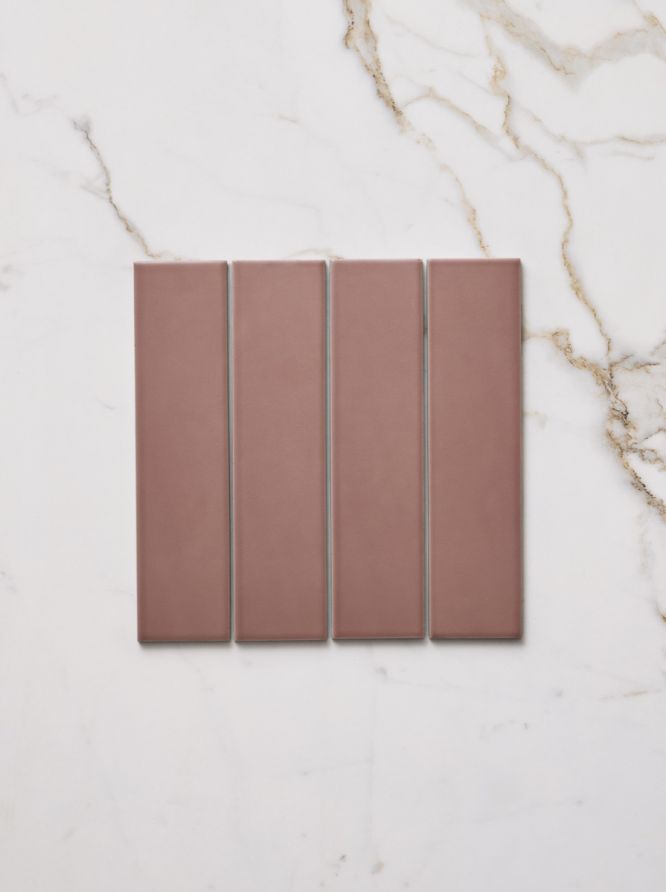
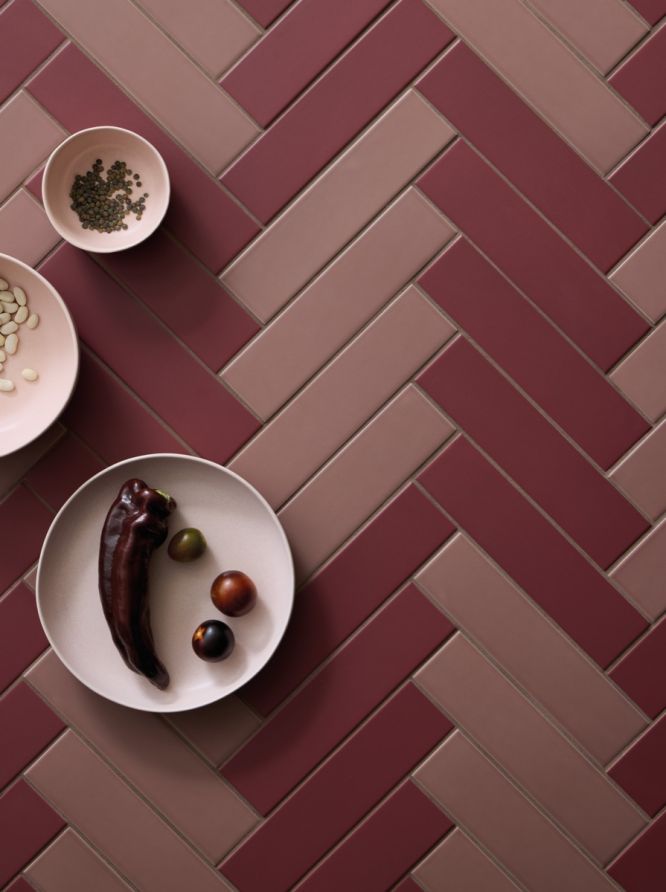
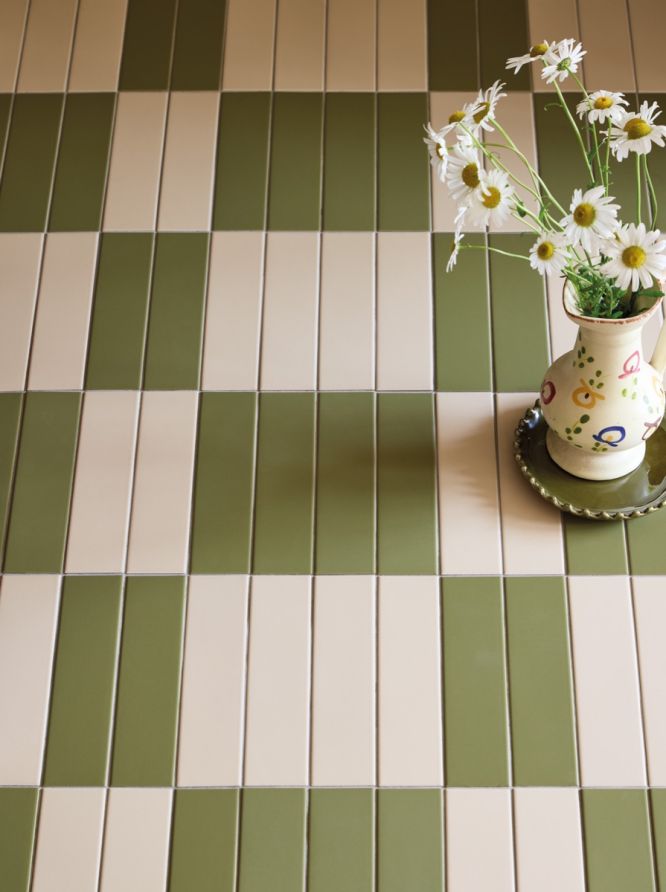
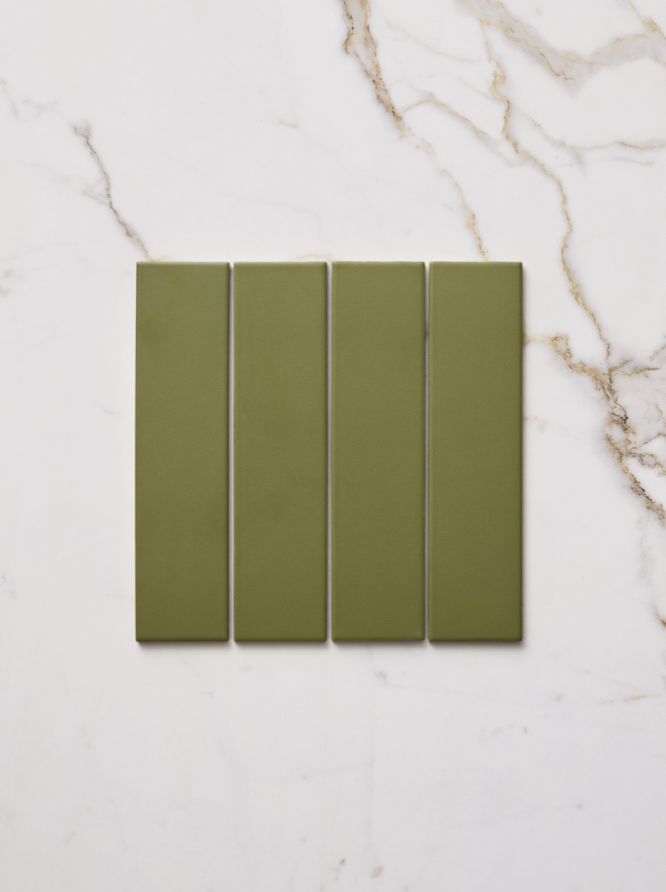
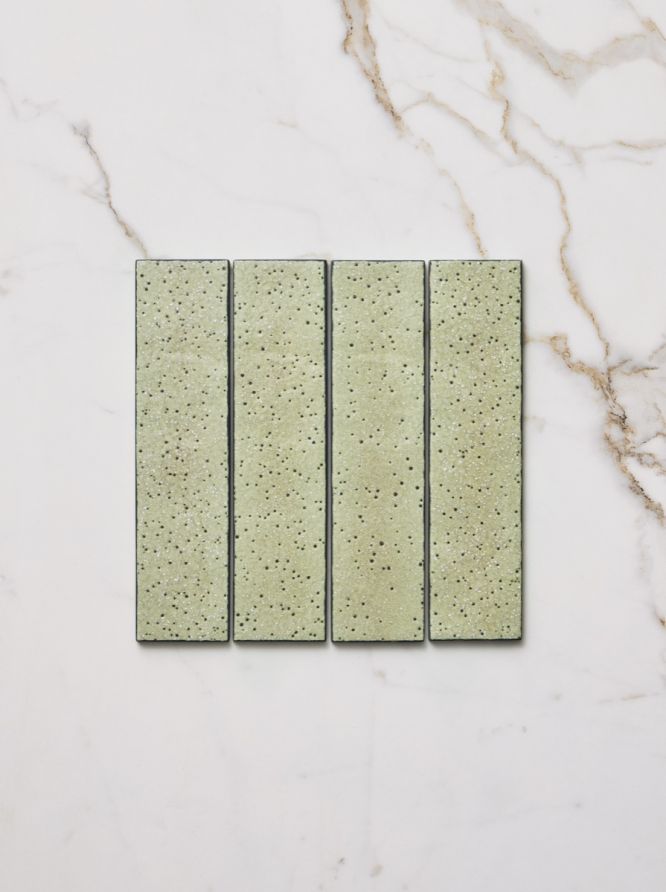
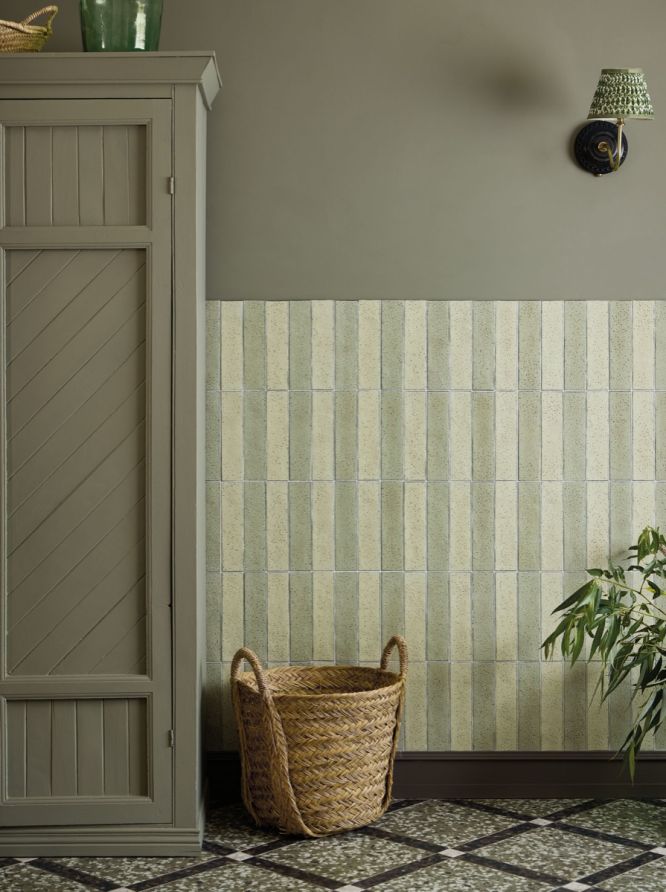
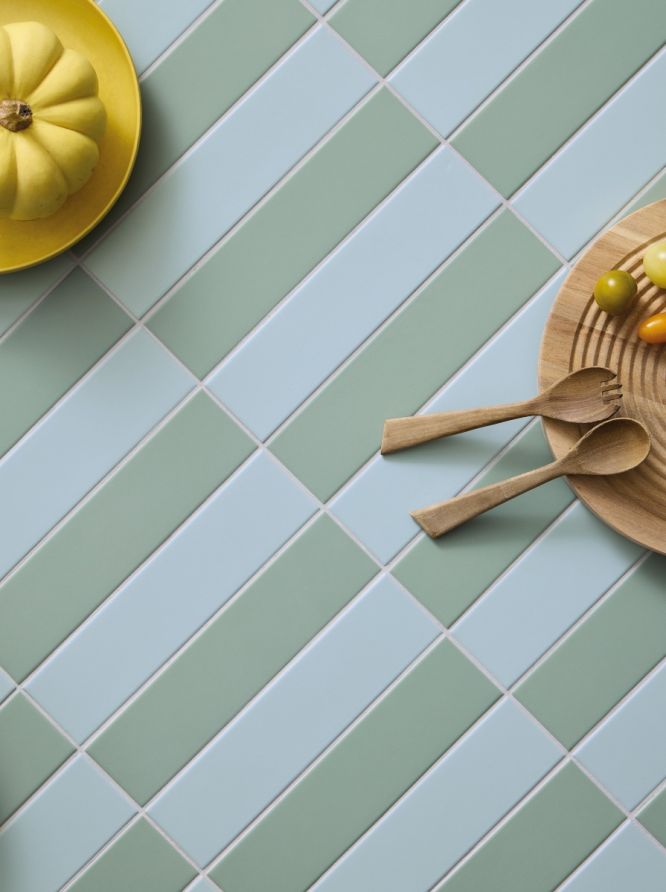
This arrangement, whereby rectangular tiles are laid sloping in different directions to form the dynamic pattern, can be formed using a number of our collections. Particularly eye-catching on floors in hallways, kitchens and bathrooms, but equally great for creating geometric wall designs.

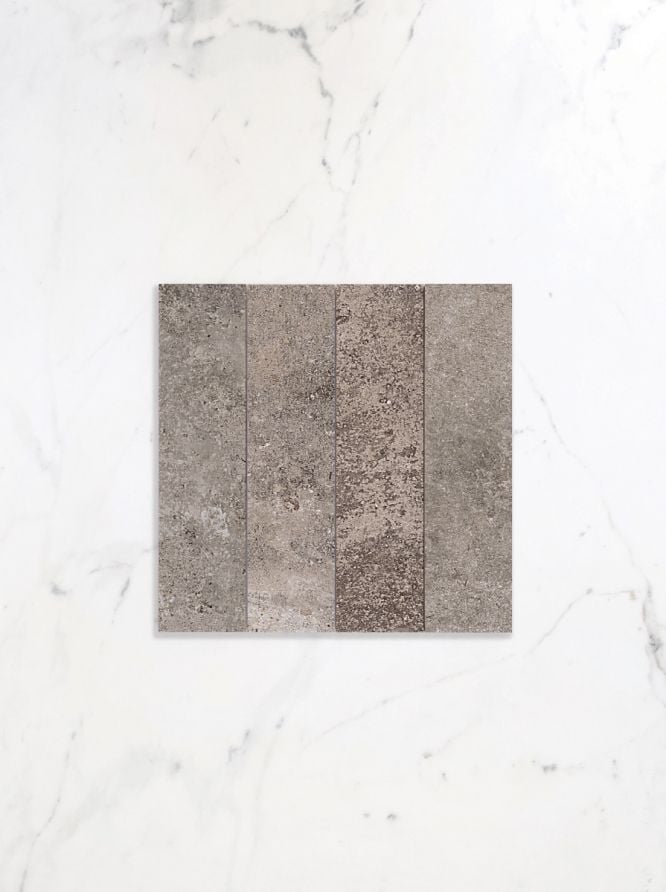

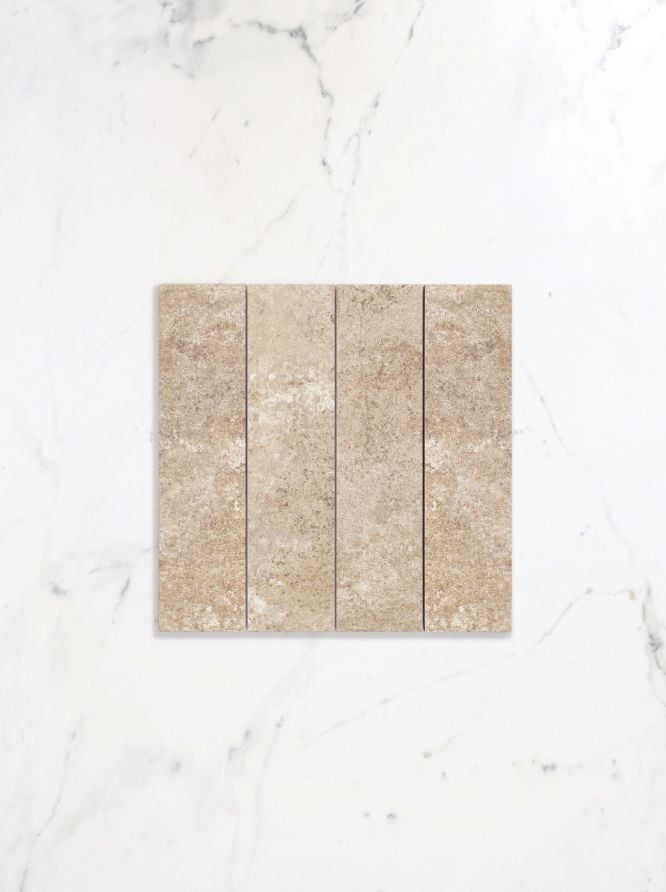

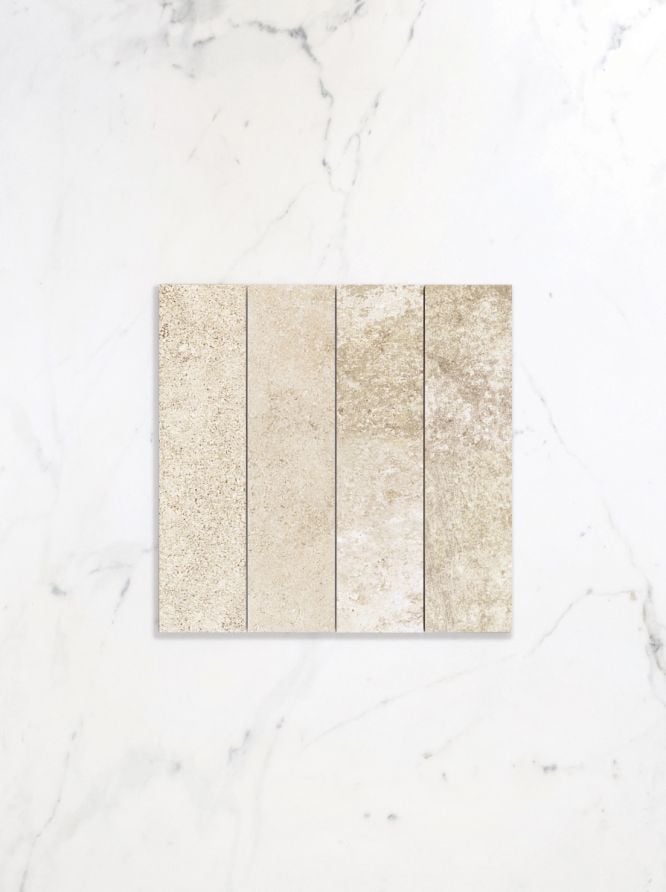
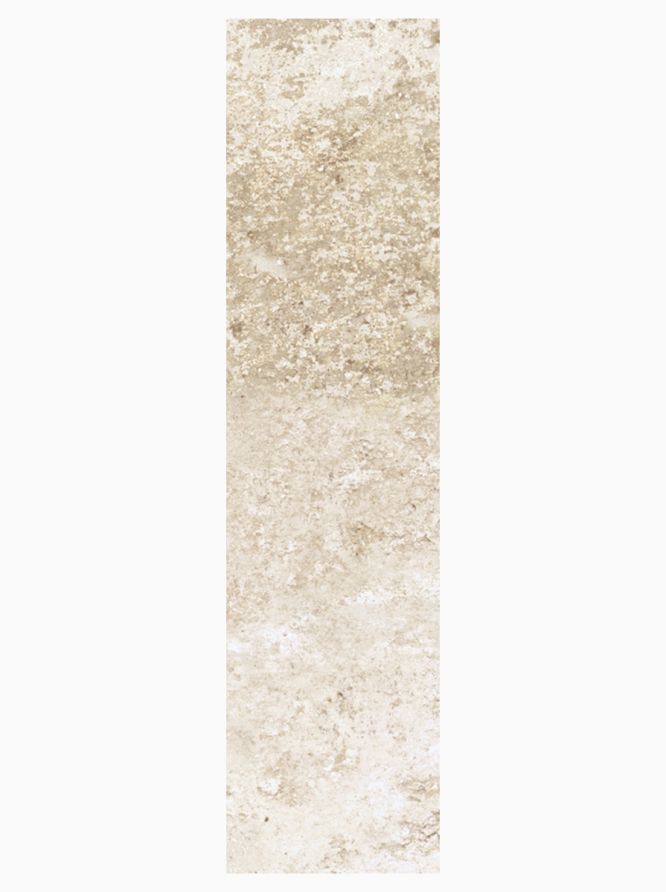

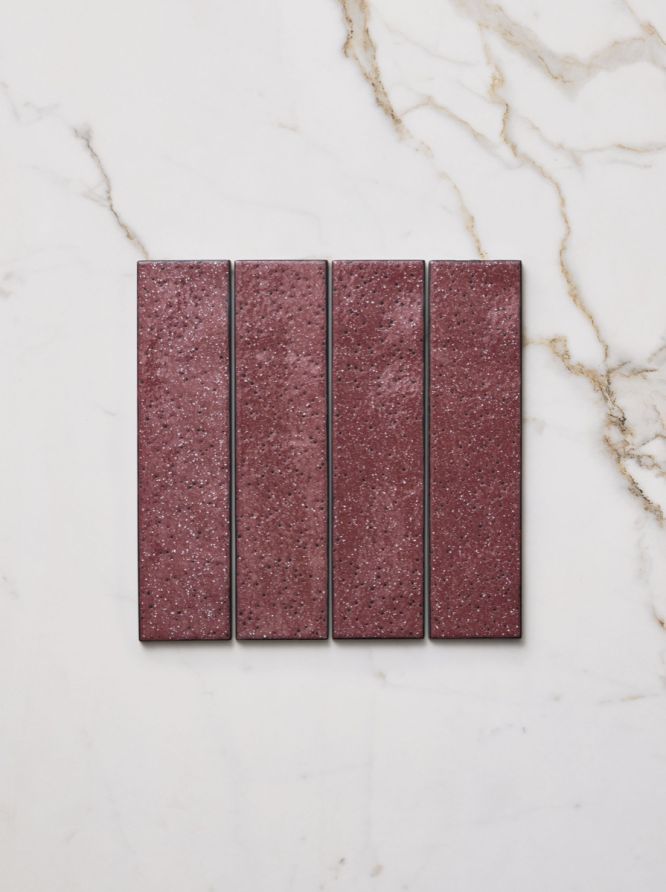
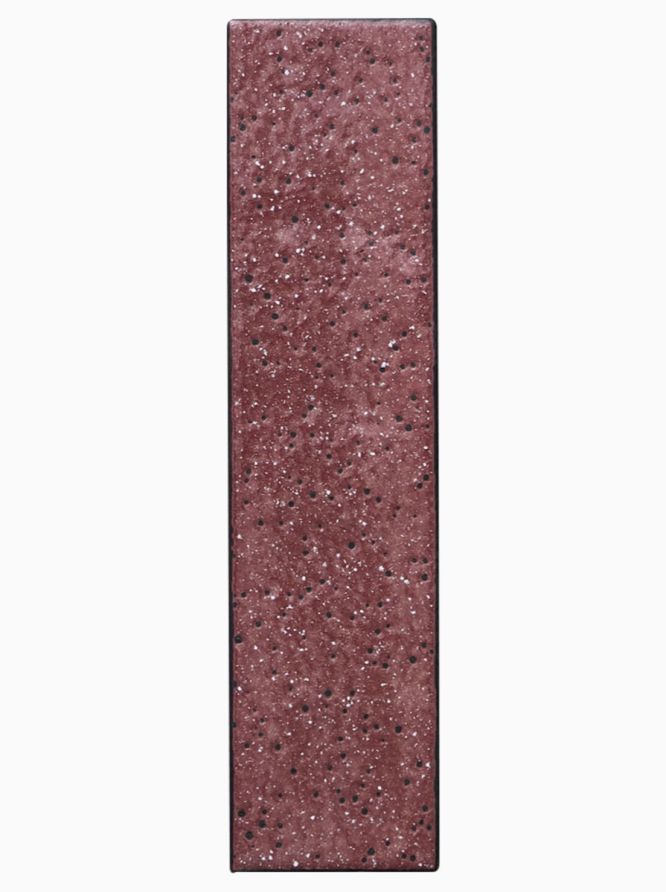

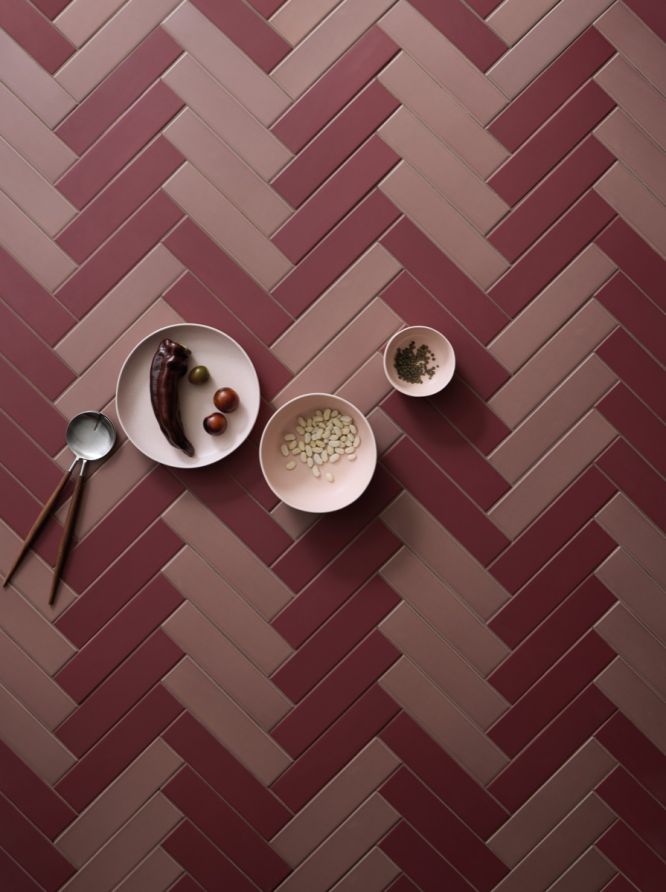
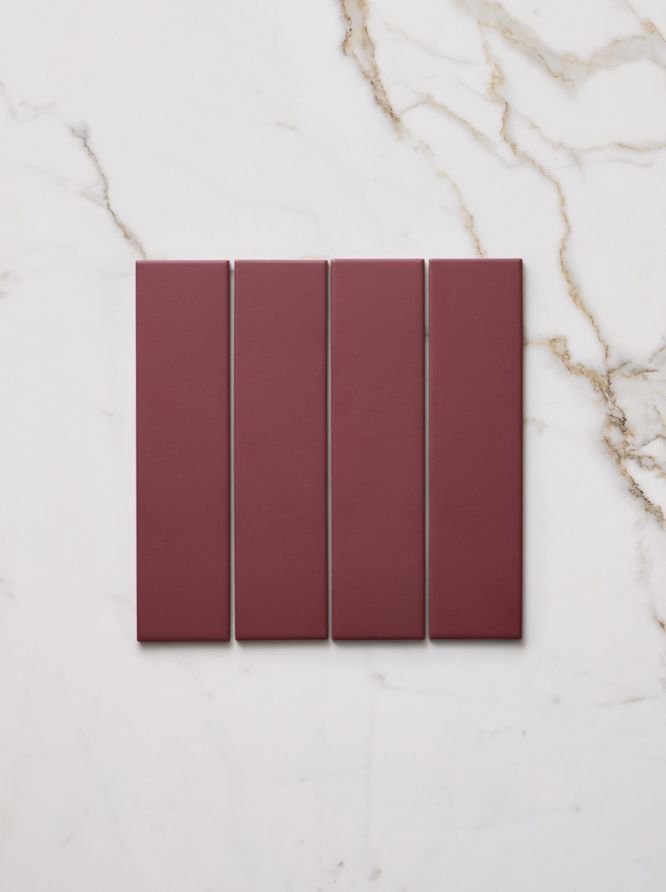

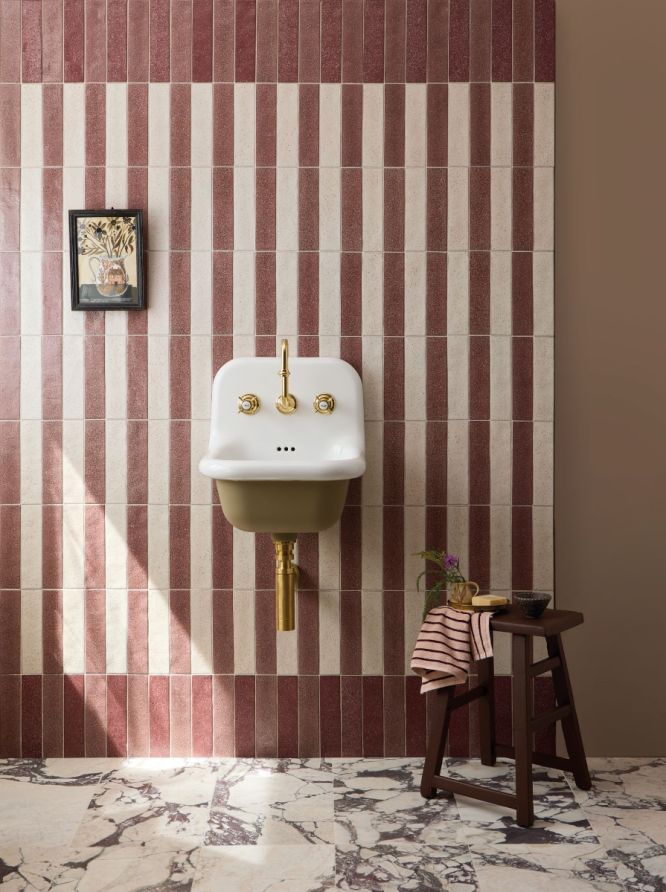
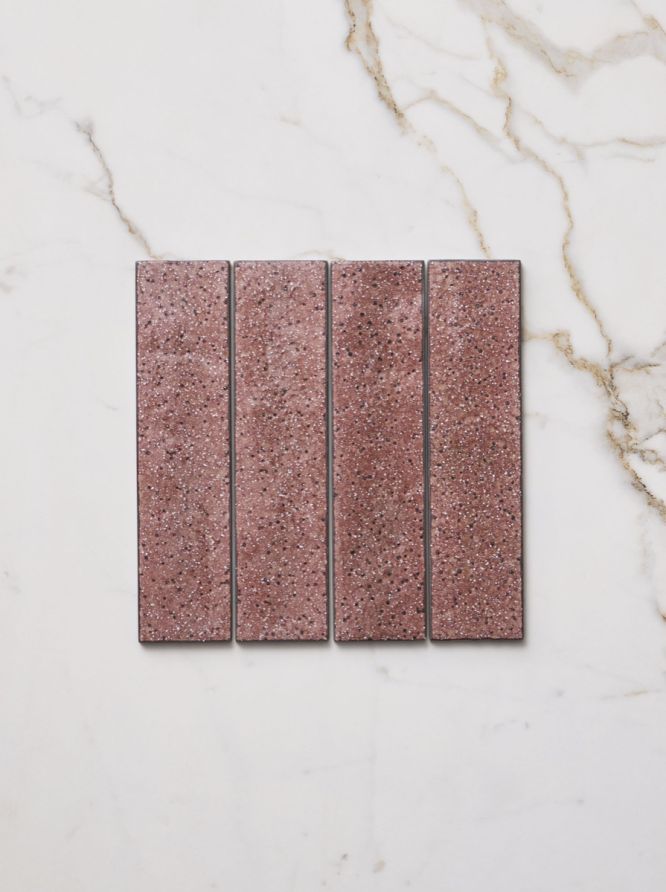



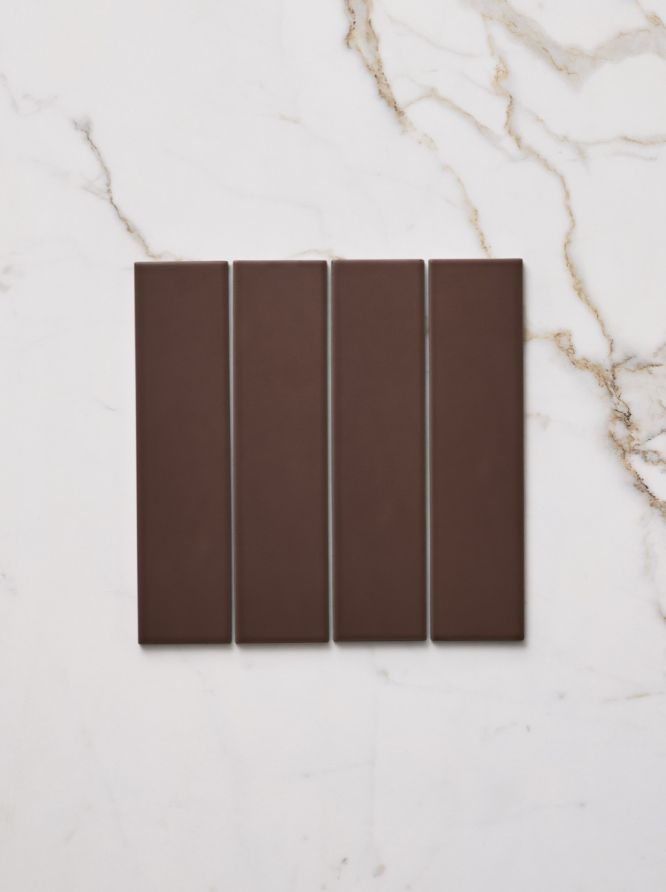

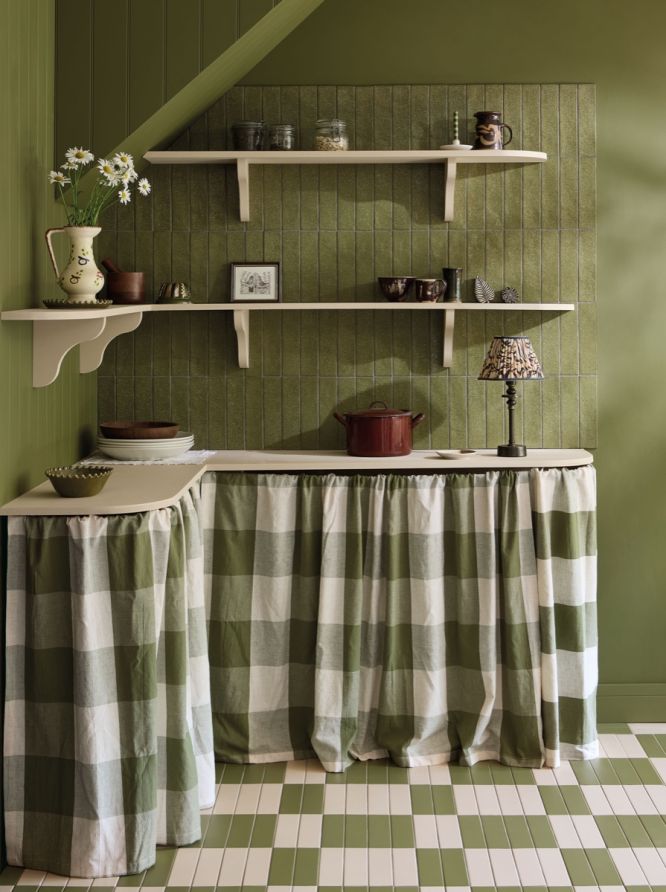
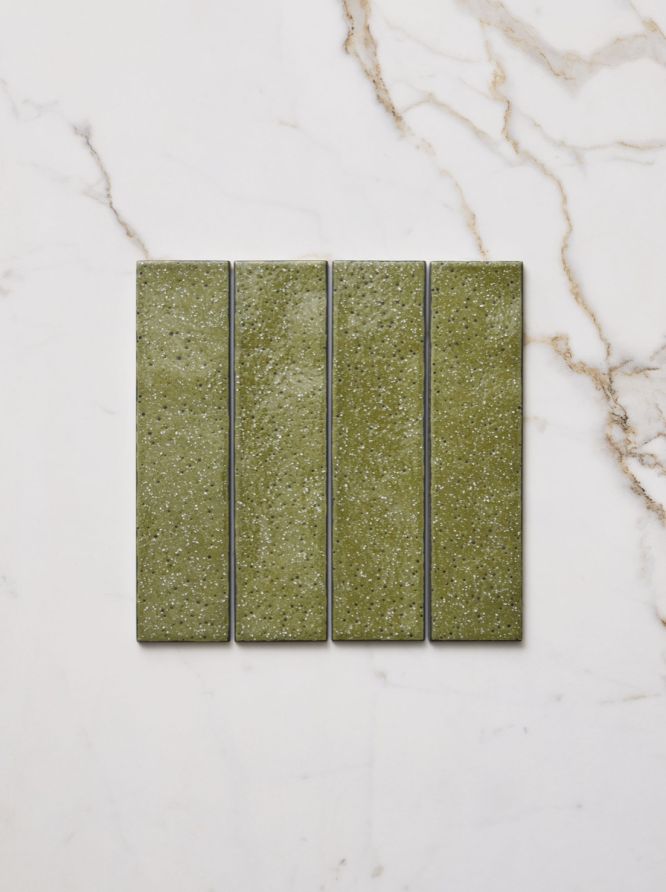



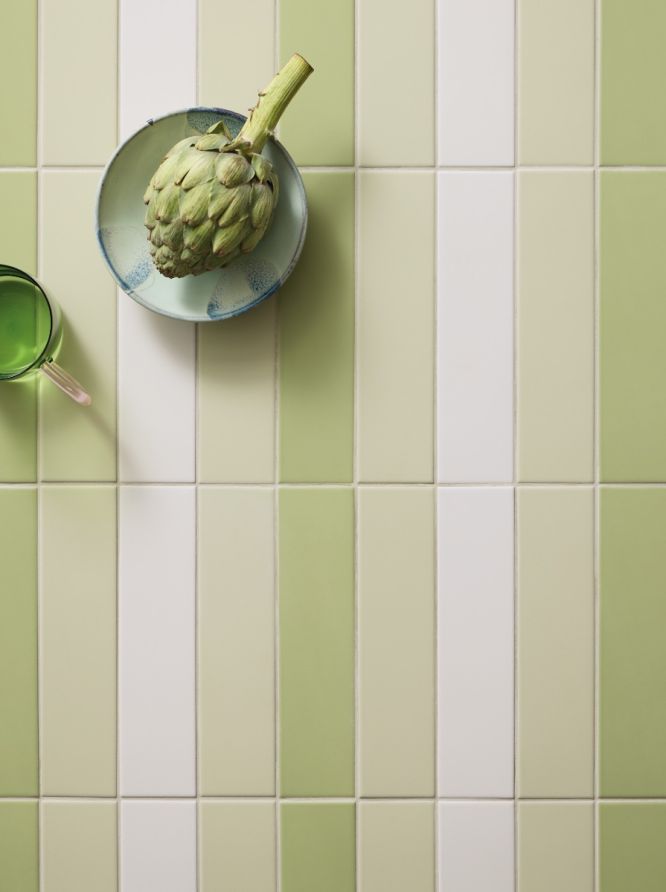
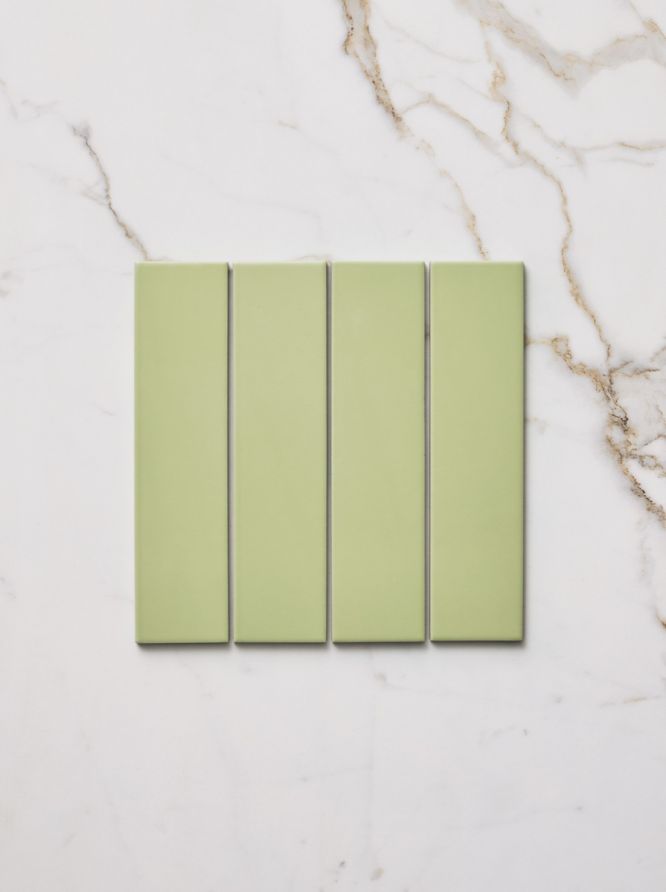

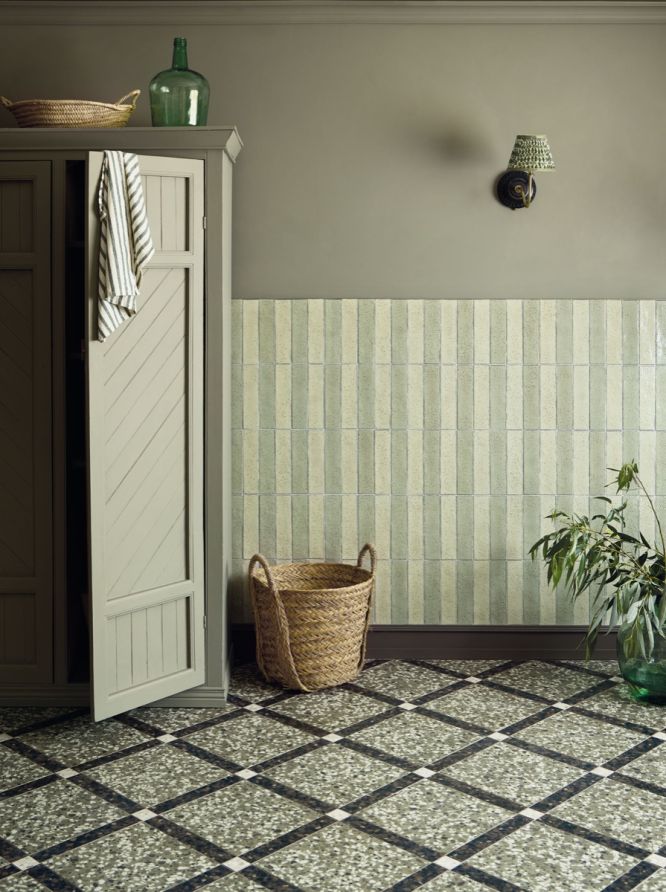
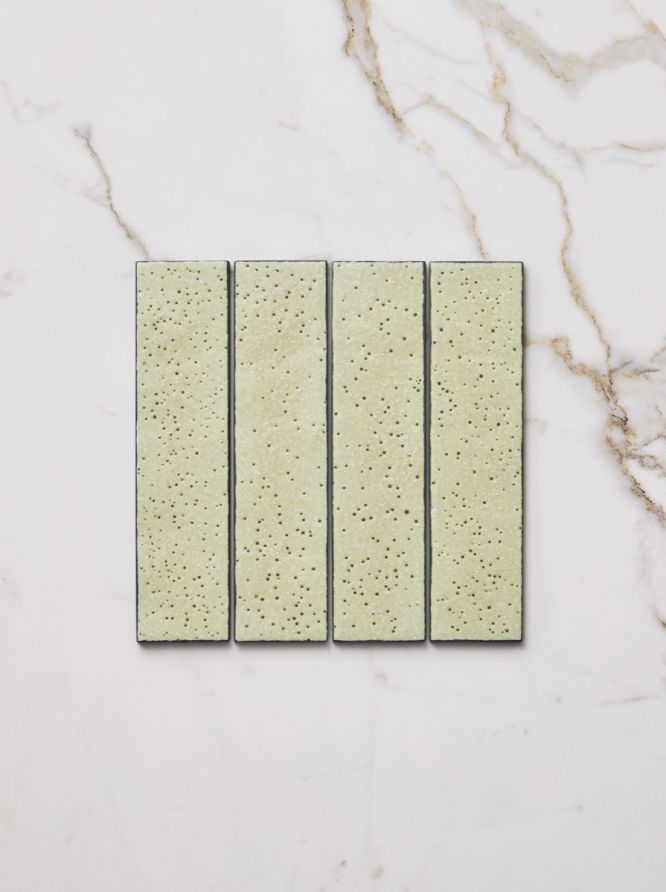

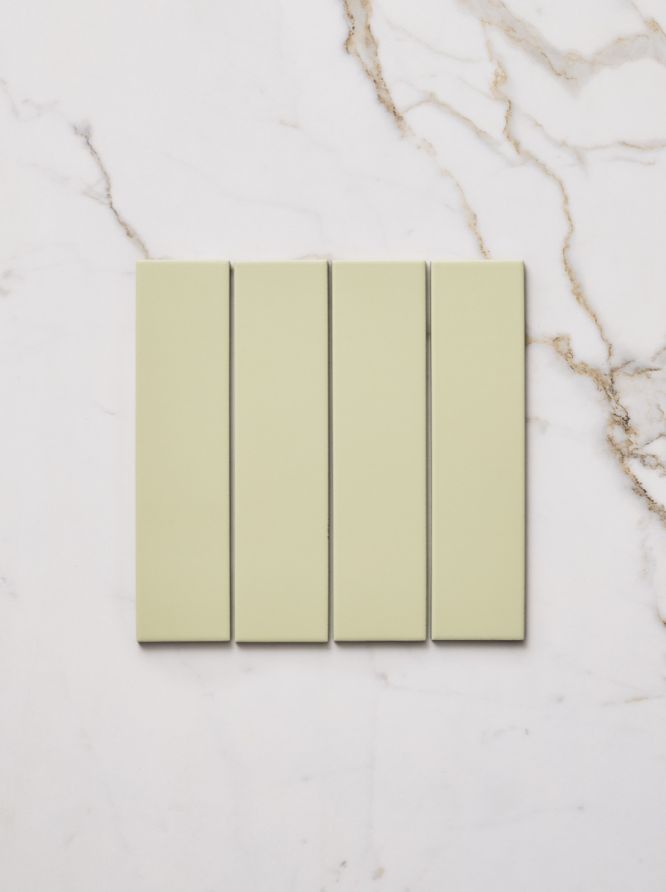

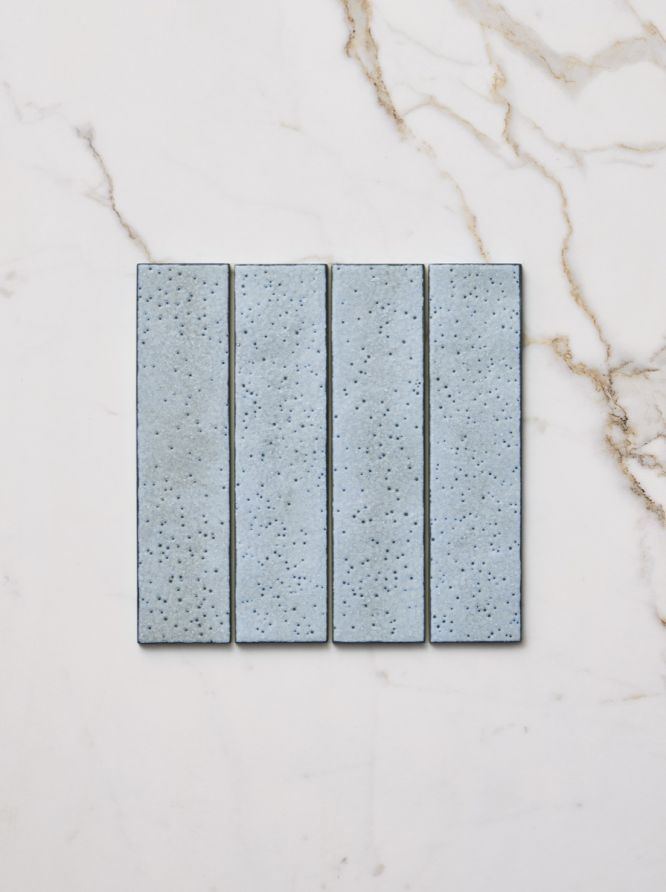

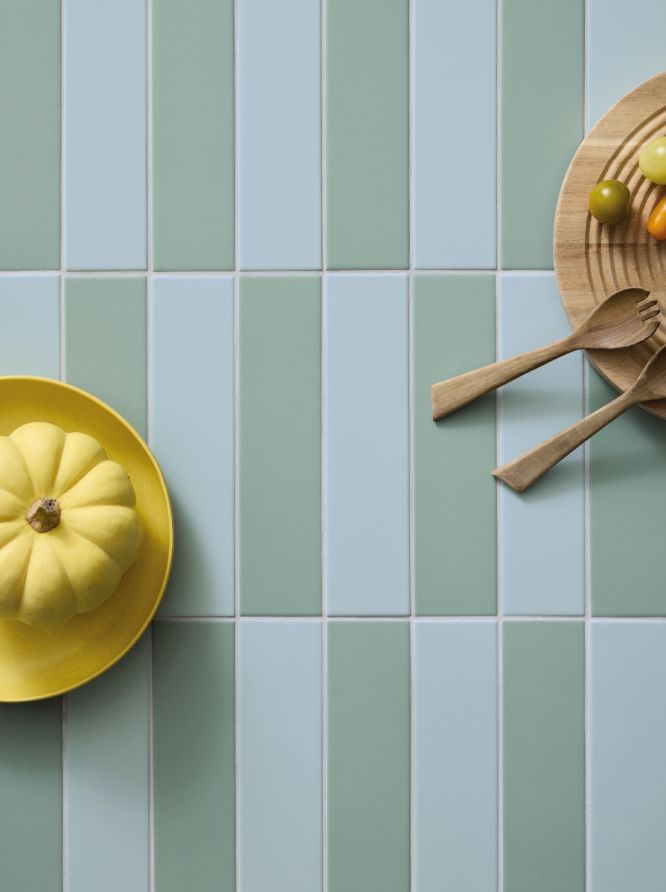
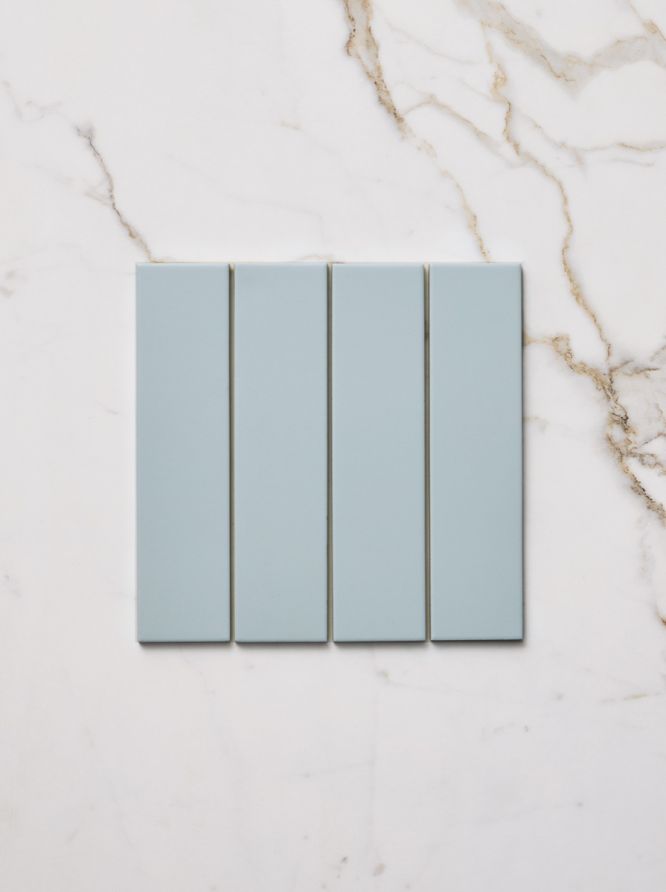

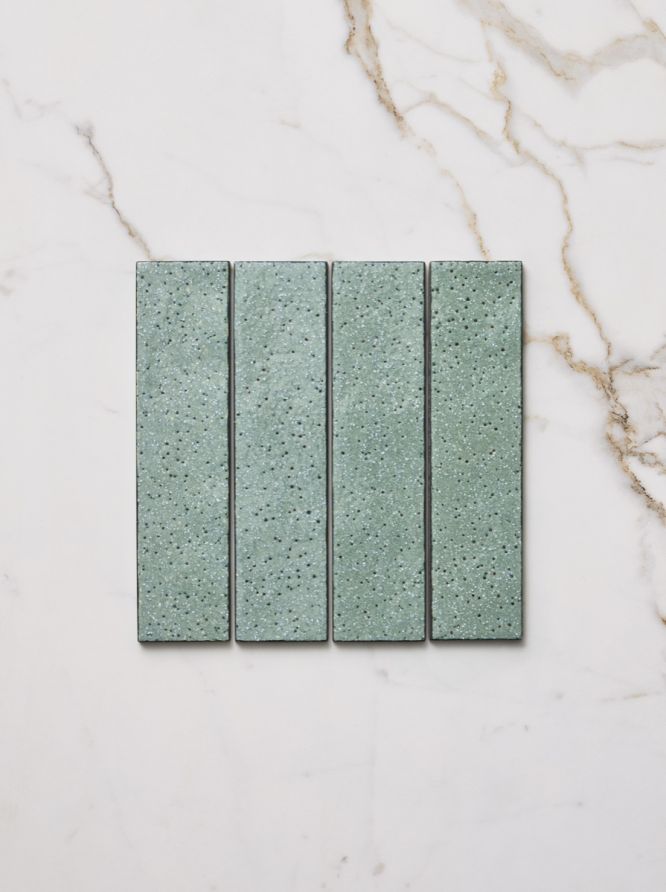
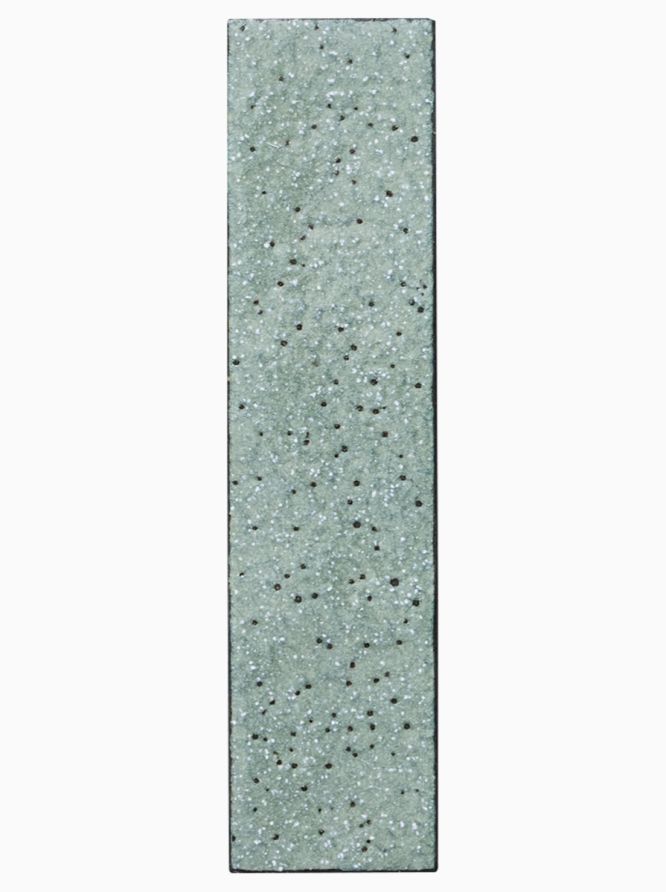



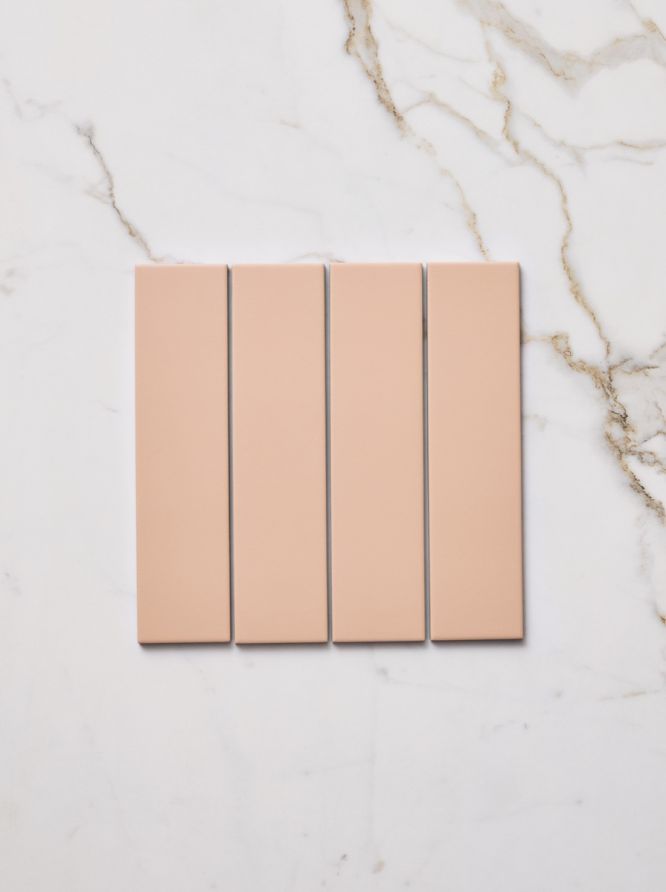
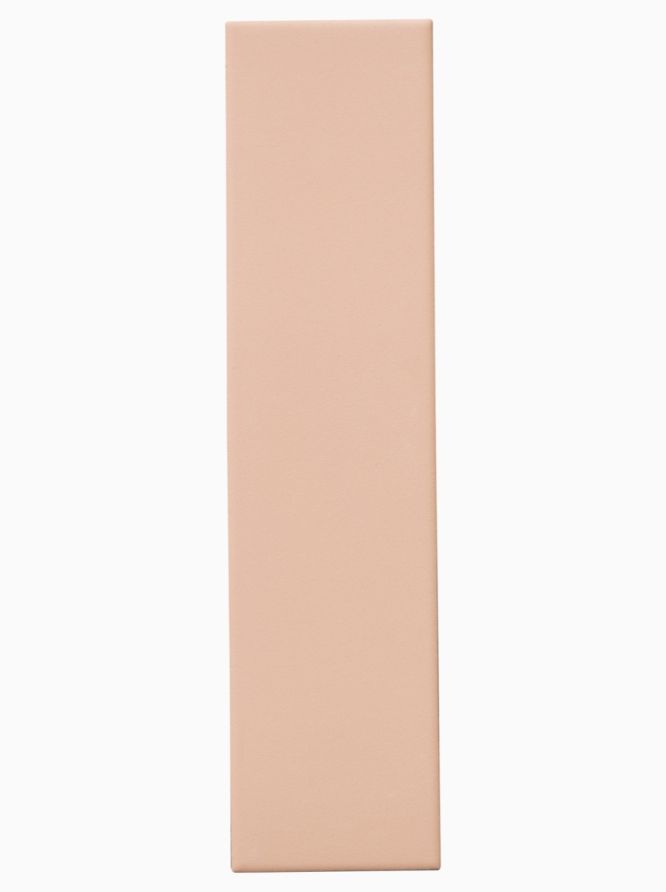

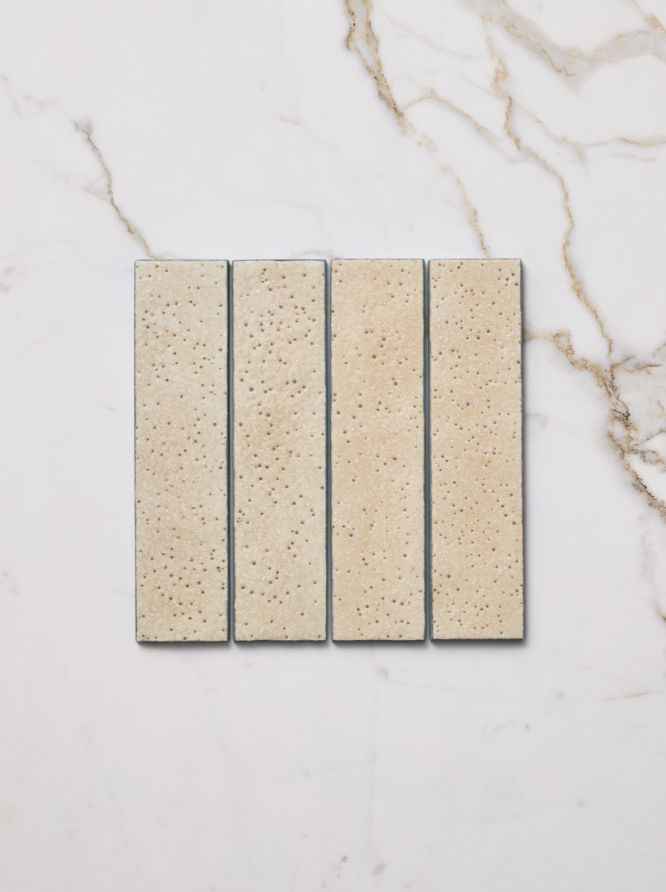
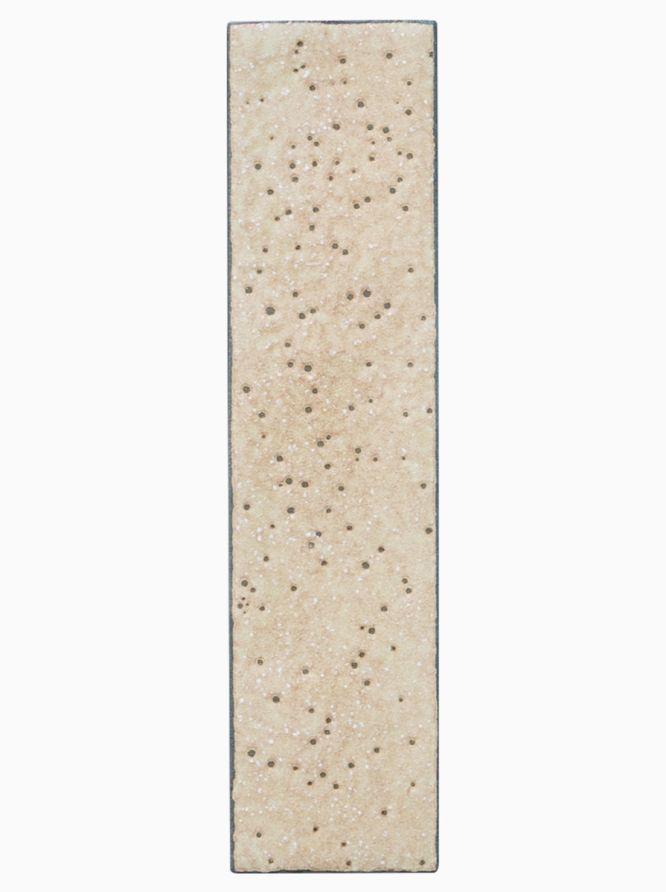

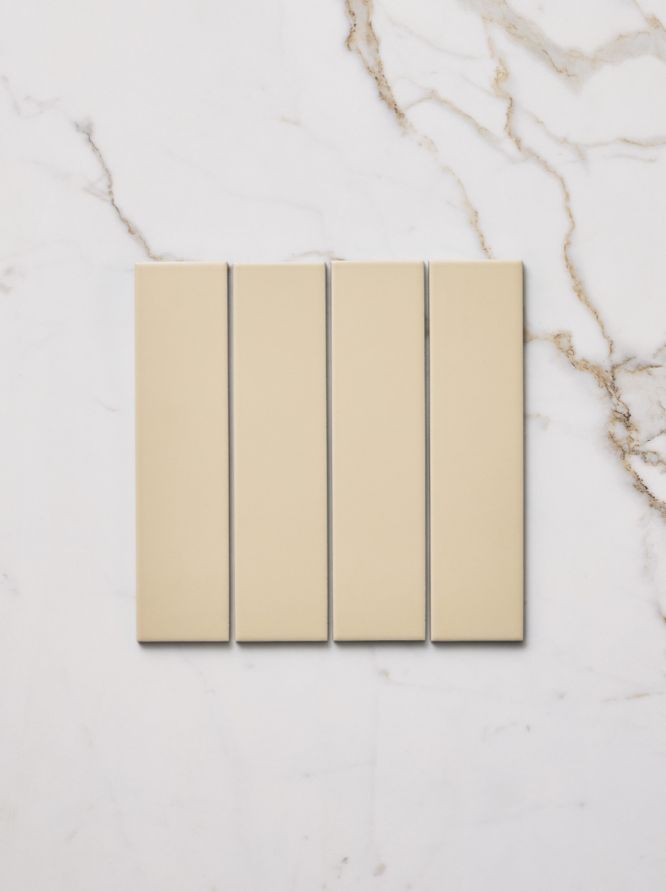
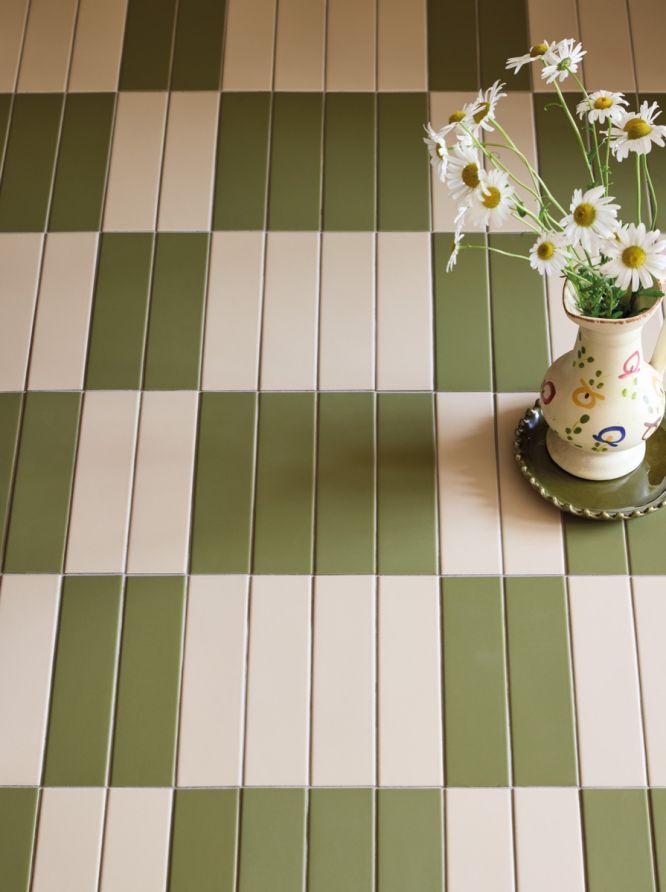

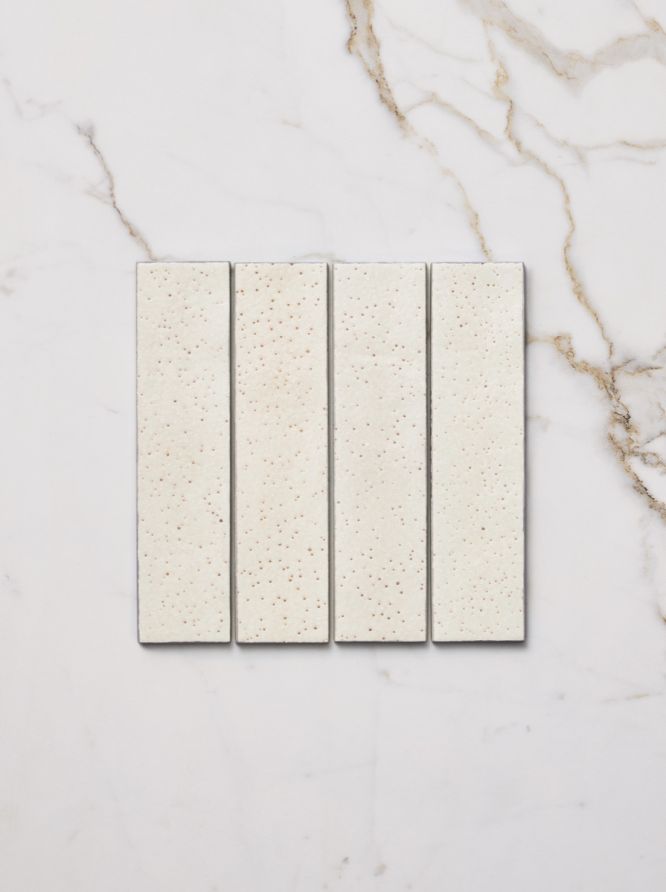
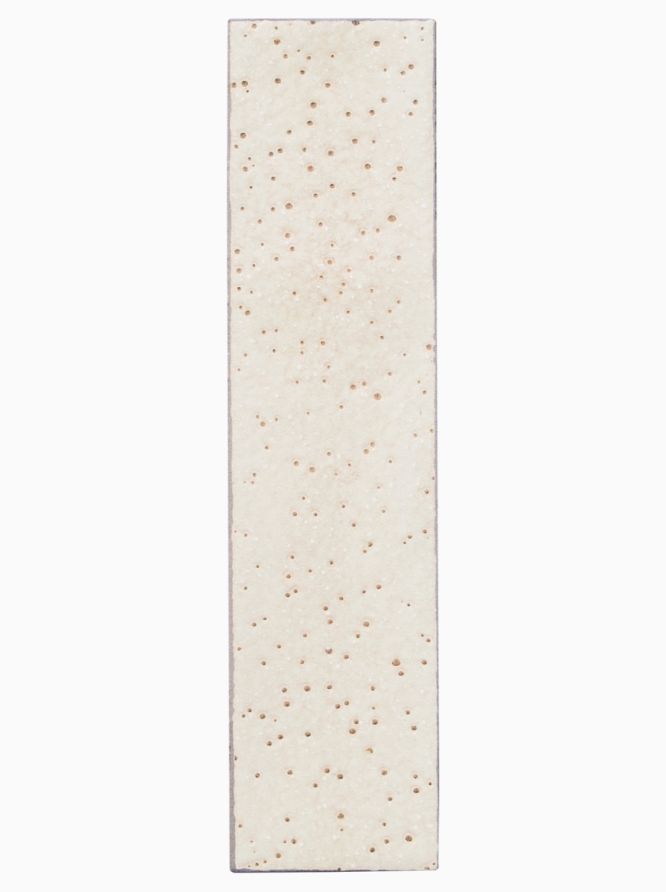

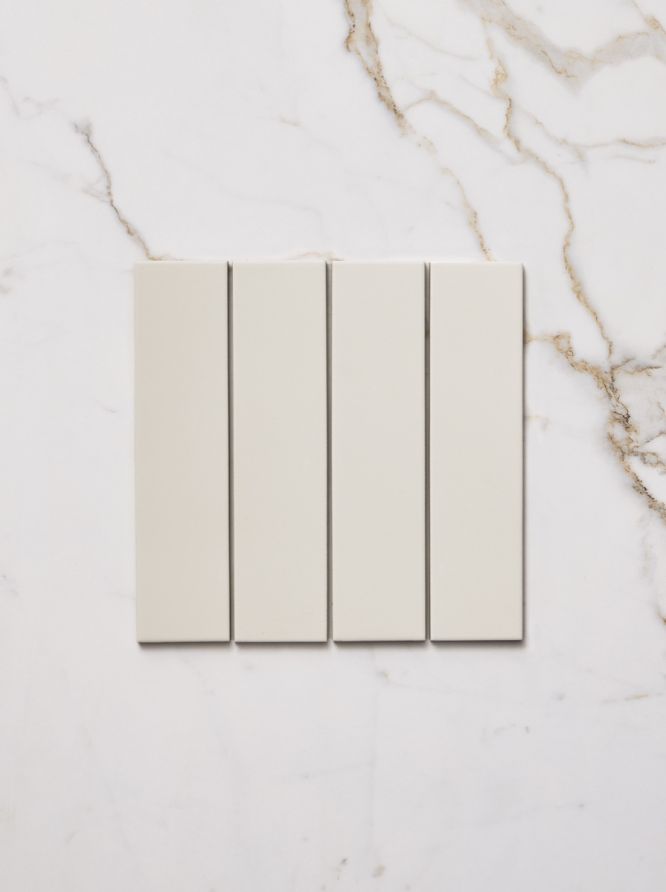
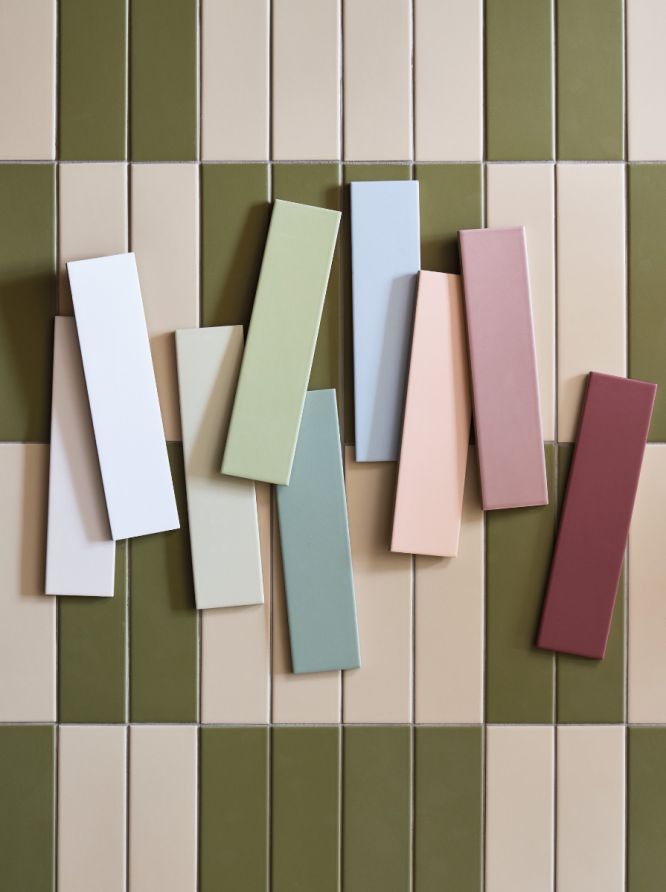

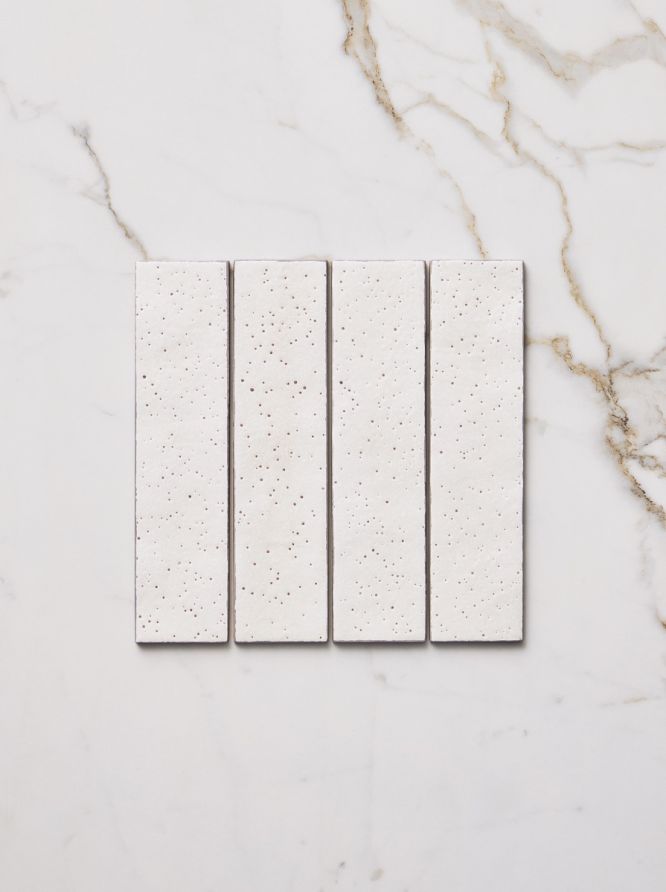
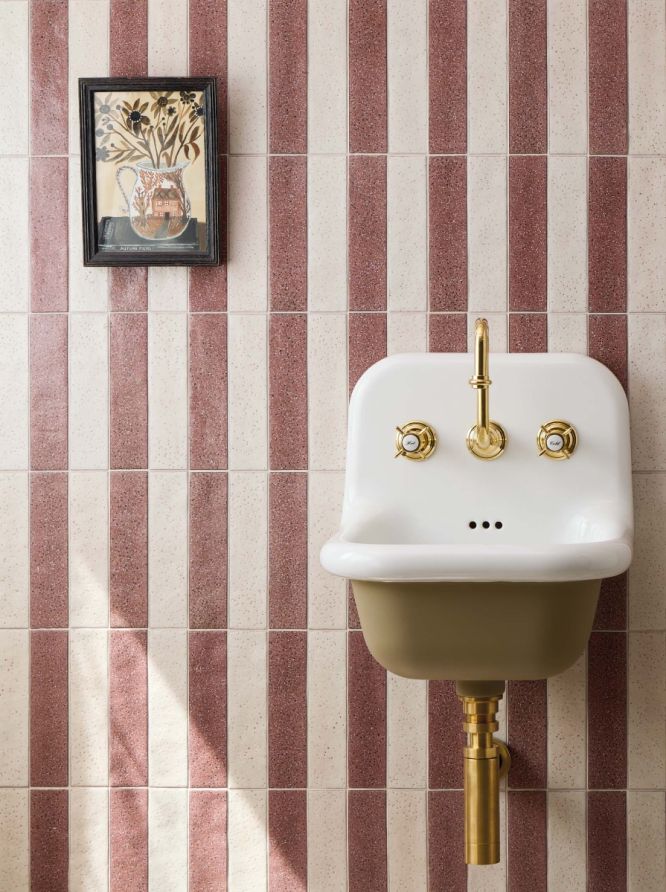

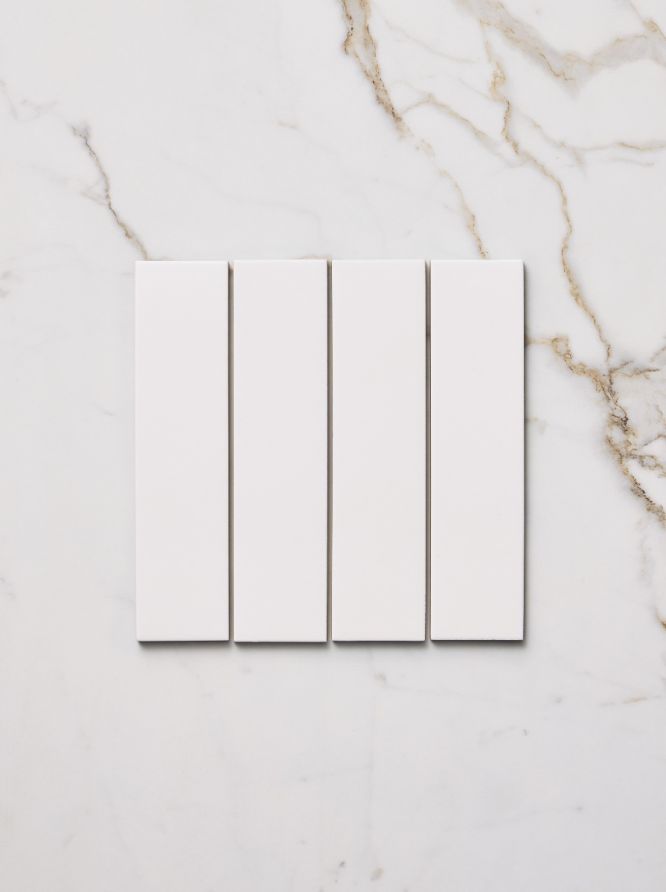

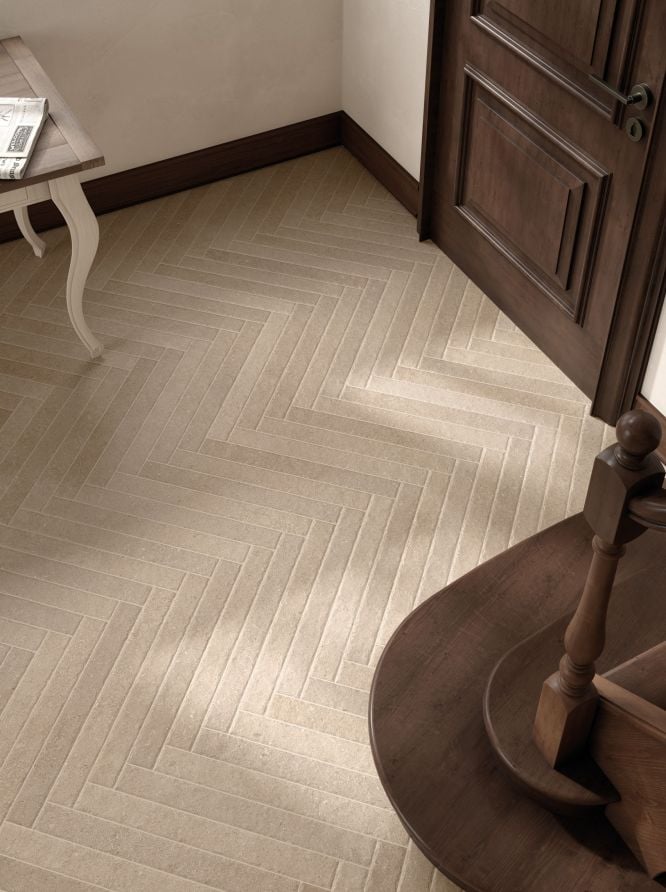

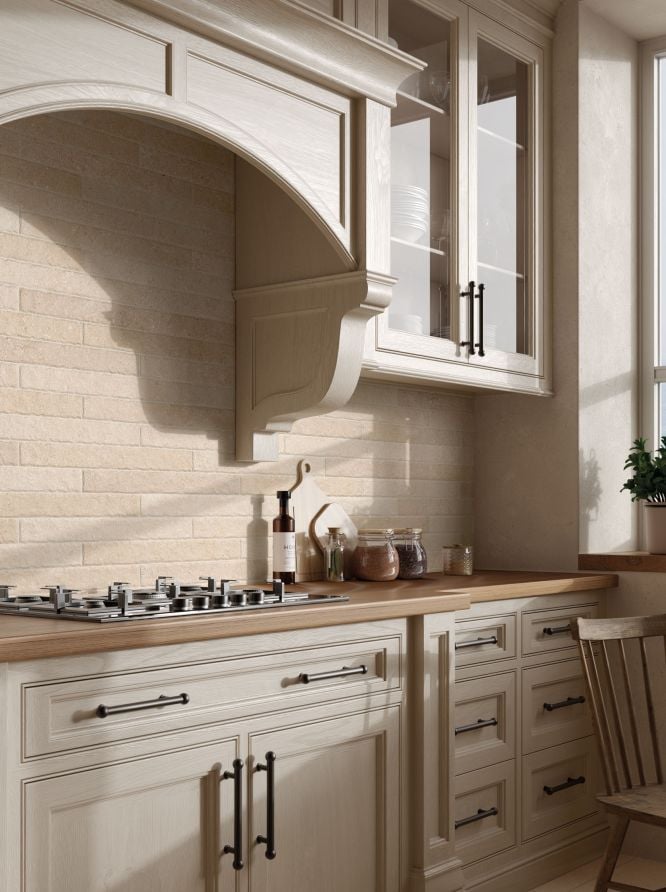
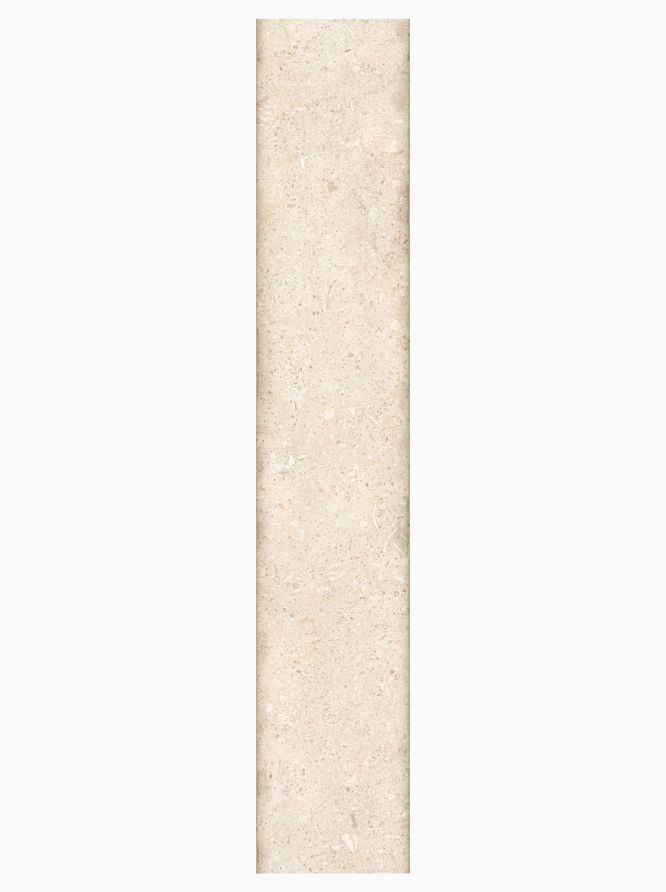

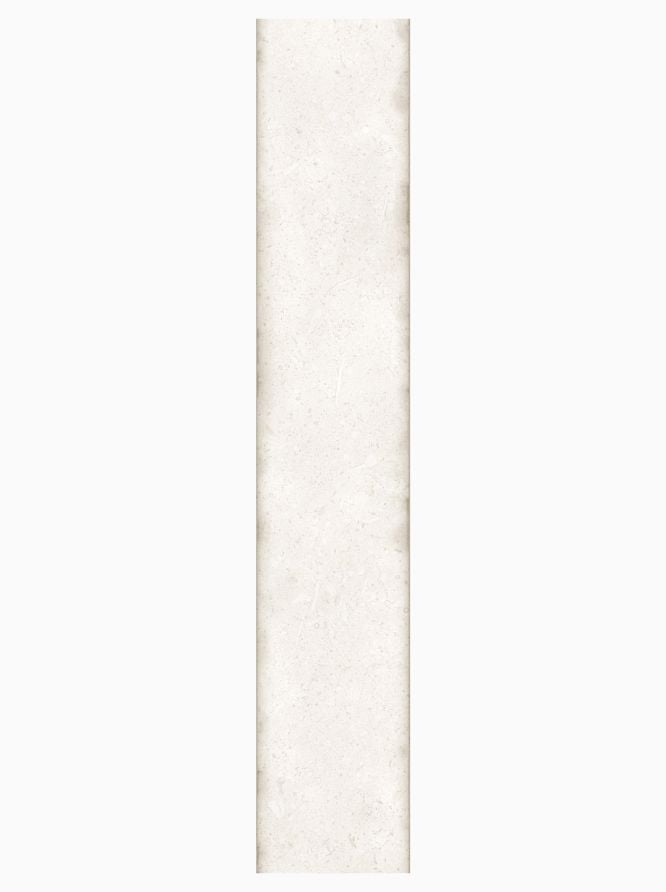
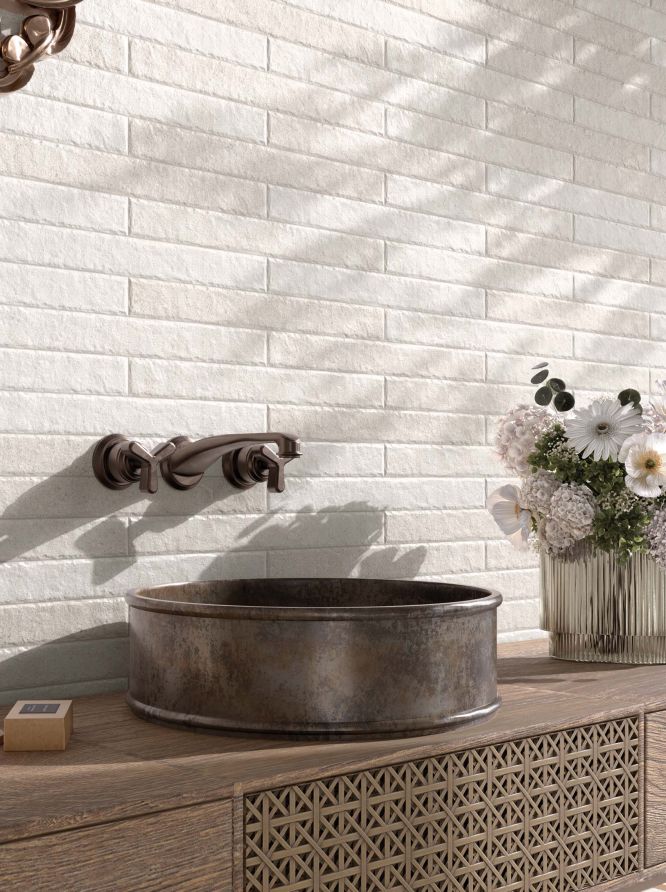

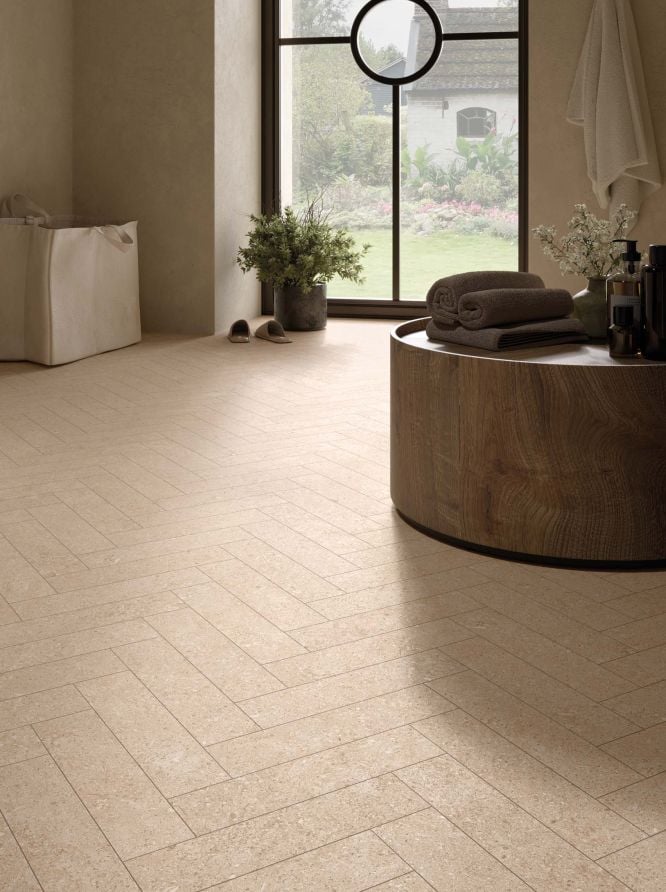
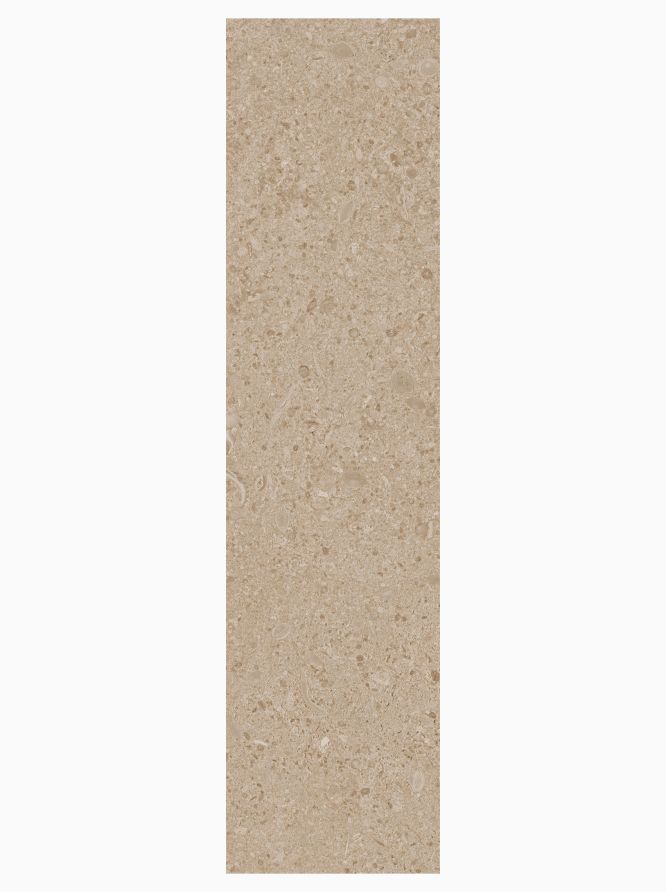

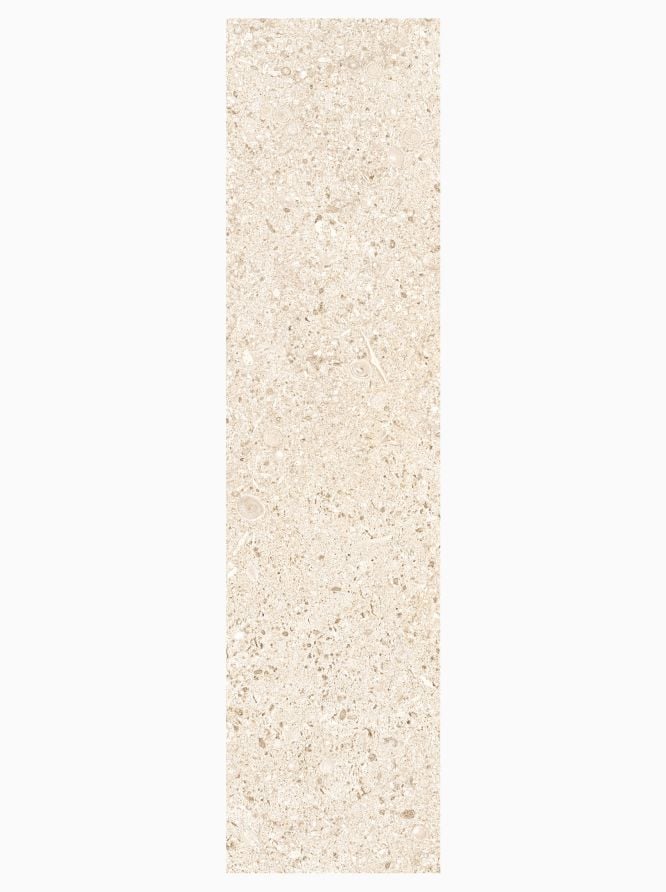
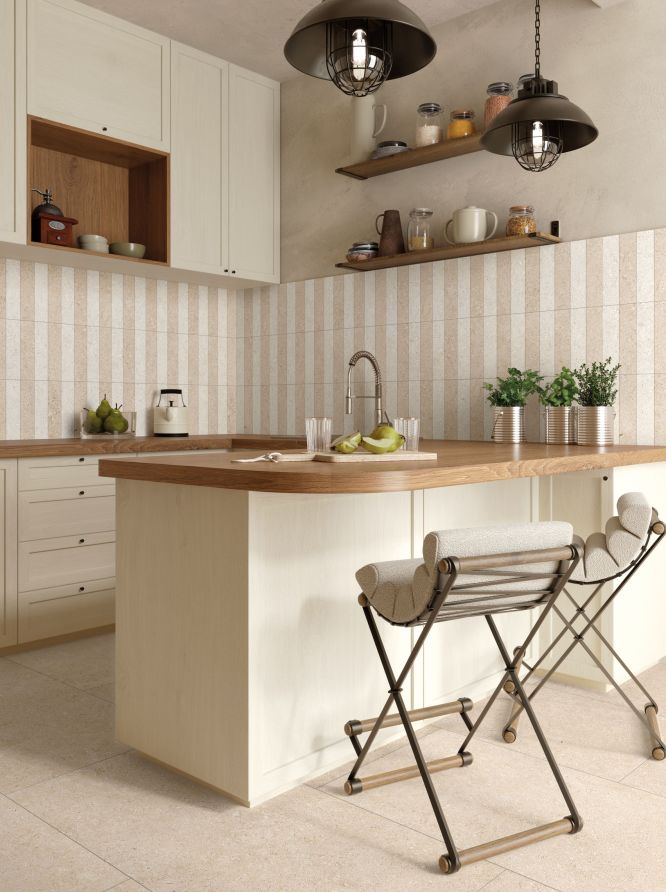

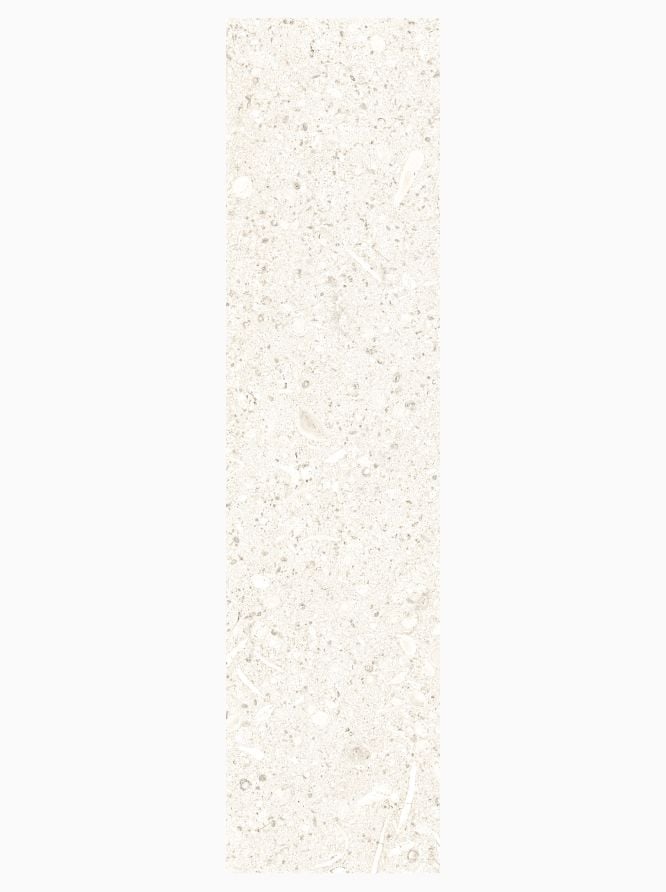

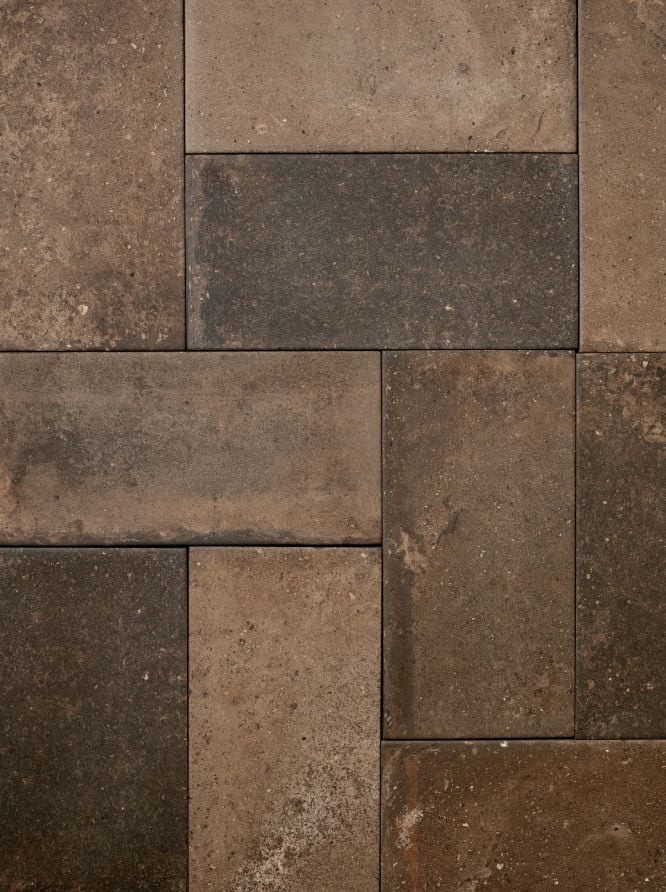
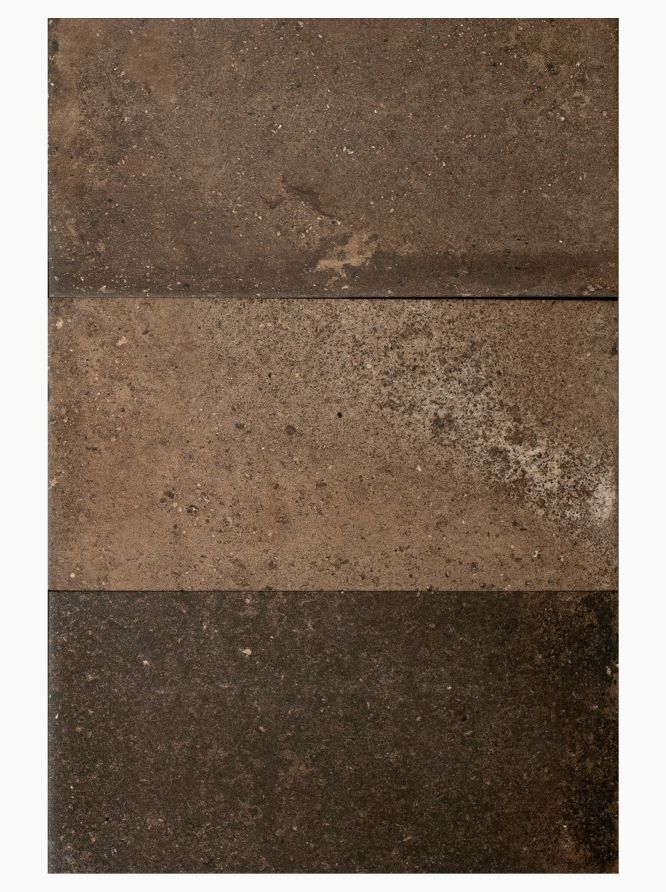

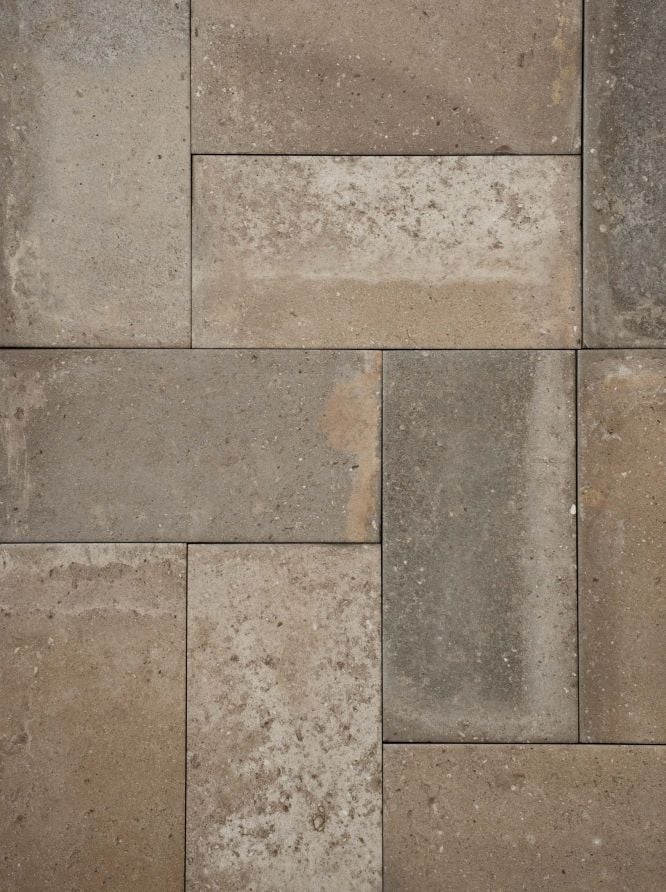

Herringbone Patterns
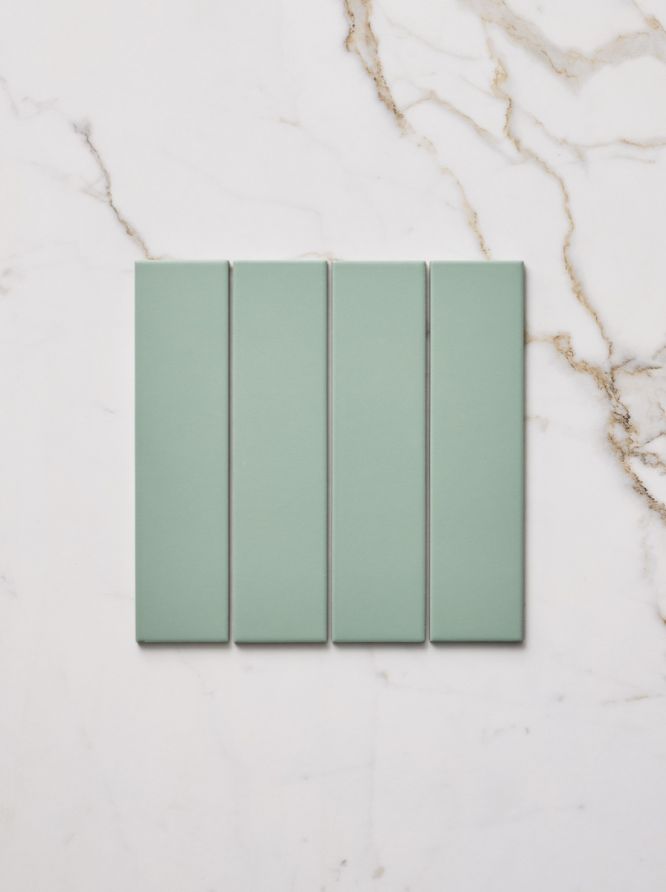
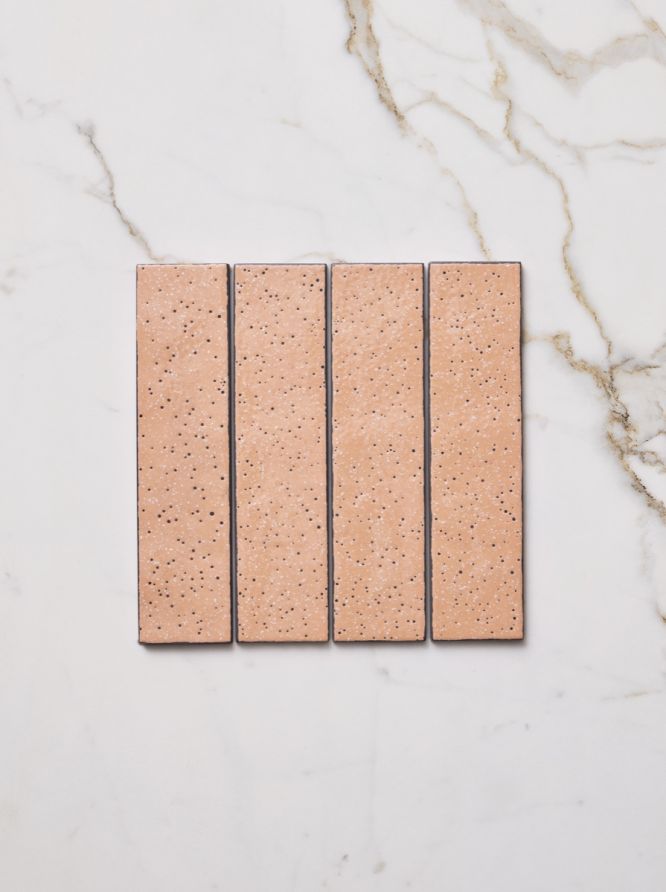
Herringbone-shaped designs are an excellent choice for both wall and floor tiles, offering a timeless pattern that adds dynamic visual interest to any space. This distinctive zigzag layout enhances the natural beauty of materials such as porcelain, terracotta, marble, and glazed wall tiles by emphasizing texture, tone, and light reflection. In kitchens and bathrooms, the herringbone pattern creates a sense of movement and depth, making even compact areas feel more spacious and stylish but the pattern works really well in hallways too for impact. Porcelain and marble herringbone floors add style and durability, while glazed wall tiles in this pattern can introduce a touch of craftsmanship and elegance.
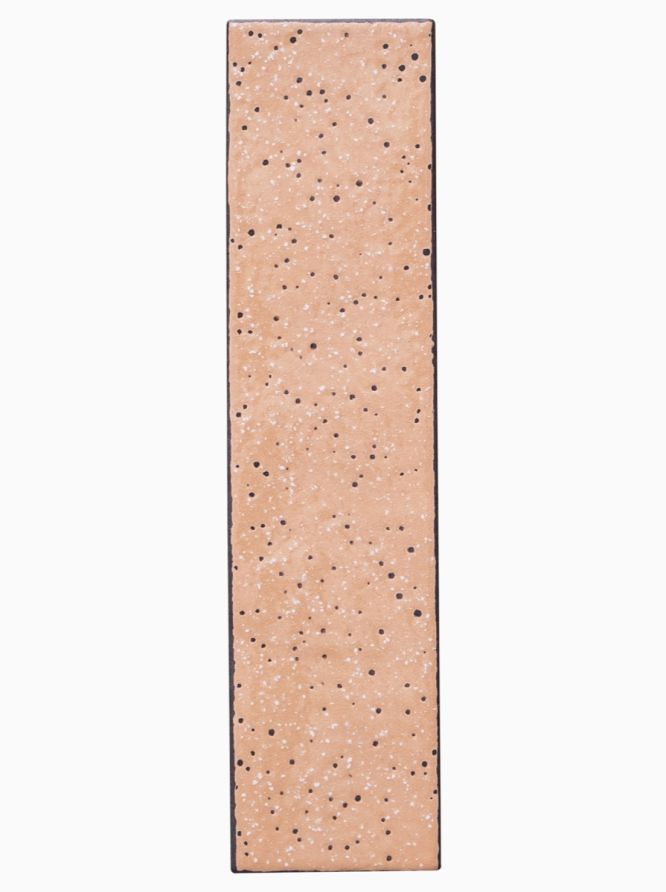
Beyond residential interiors, herringbone designs are also ideal for commercial spaces like bars, restaurants, and hotels. The pattern’s geometric rhythm creates a visually engaging backdrop that elevates the overall atmosphere without overwhelming other design elements. Terracotta tiles laid in a herringbone pattern can convey rustic warmth, while marble or porcelain versions lend a smart, contemporary appeal. The layout’s versatility suits both traditional and modern aesthetics, blending practicality with design. Whether used for feature walls, splashbacks, or entire floors, herringbone tiling brings character, structure, and enduring charm—making it a favoured choice for designers seeking impact and style across a range of settings.
Get more herringbone inspiration on our Zig-Zag blog here.
- Can any type of tile be laid in a herringbone pattern?
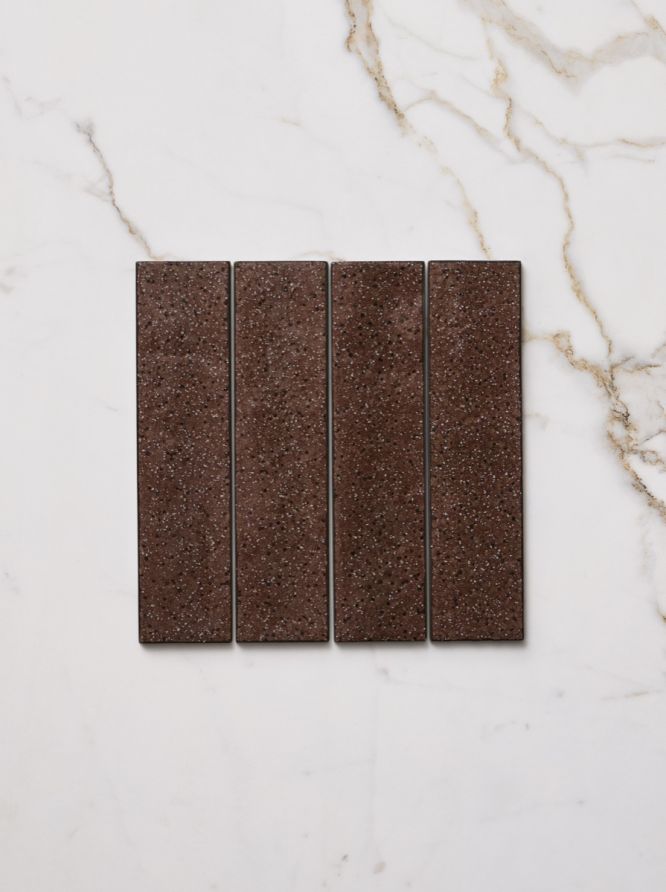
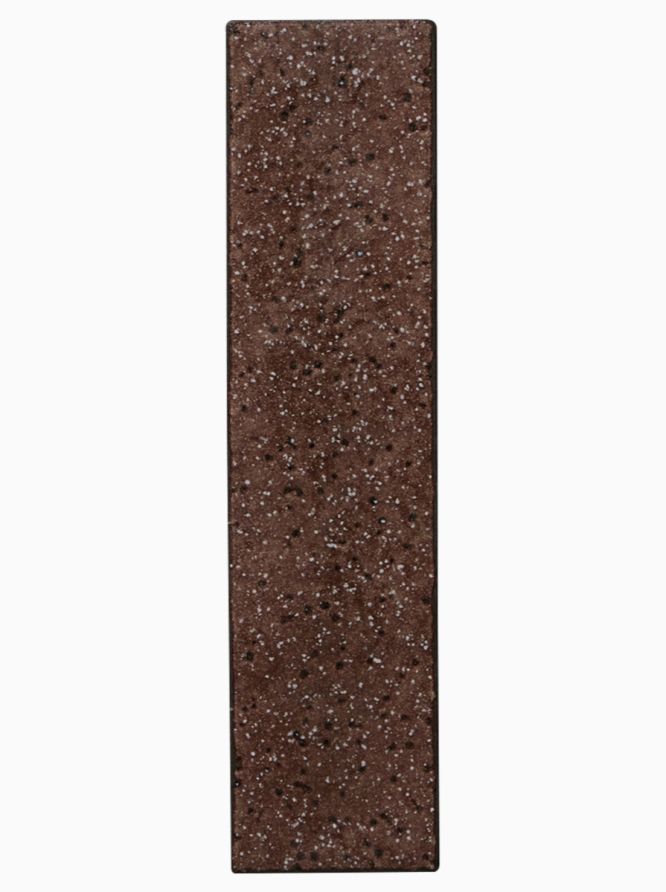
Yes, most rectangular tiles can be laid in a herringbone pattern, including porcelain, ceramic, terracotta, marble, and glazed wall tiles. The key is consistent sizing and straighter edges to ensure a clean, aligned layout. Any colour is suitable and patterns too so long as the design feel seamless, like terrazzo style.
- Is a herringbone pattern suitable for small spaces?
Absolutely. The diagonal flow of the herringbone pattern creates a sense of movement and depth, making small kitchens, bathrooms, or entryways appear larger and more dynamic.
- Can herringbone tiles be used in commercial spaces?
Yes. Herringbone tiles are popular in bars, restaurants, and retail environments because they combine visual appeal with durability. Porcelain or marble tiles in this pattern are especially resilient and easy to maintain.
- Should herringbone tiles be sealed or treated?
That depends on the material. Porcelain usually doesn’t need sealing, while natural materials like terracotta or marble should be sealed to prevent staining and protect their surface finish. Check individual technical information to be sure you follow the correct instructions for your chosen tiles.
- Can I use a herringbone pattern on both walls and floors?
Yes, the herringbone pattern is versatile enough for both surfaces. On walls, it adds texture and interest to splashbacks or feature areas, while on floors it creates flow and direction. Many designers even coordinate wall and floor herringbone tiles for a cohesive, high-end finish.
- What is the difference between herringbone and chevron?
The herringbone pattern uses rectangular tiles laid at right angles in a staggered zigzag, while the chevron pattern uses angled tiles cut to form continuous “V” shapes for a cleaner, more seamless look.


