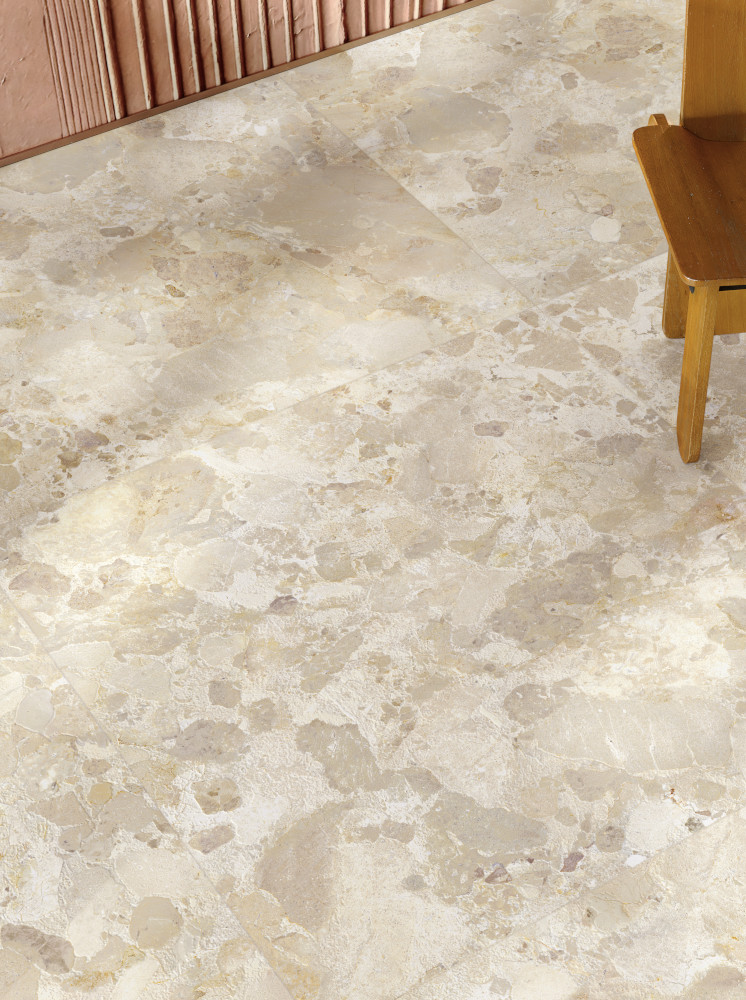

Ceppo Tiles
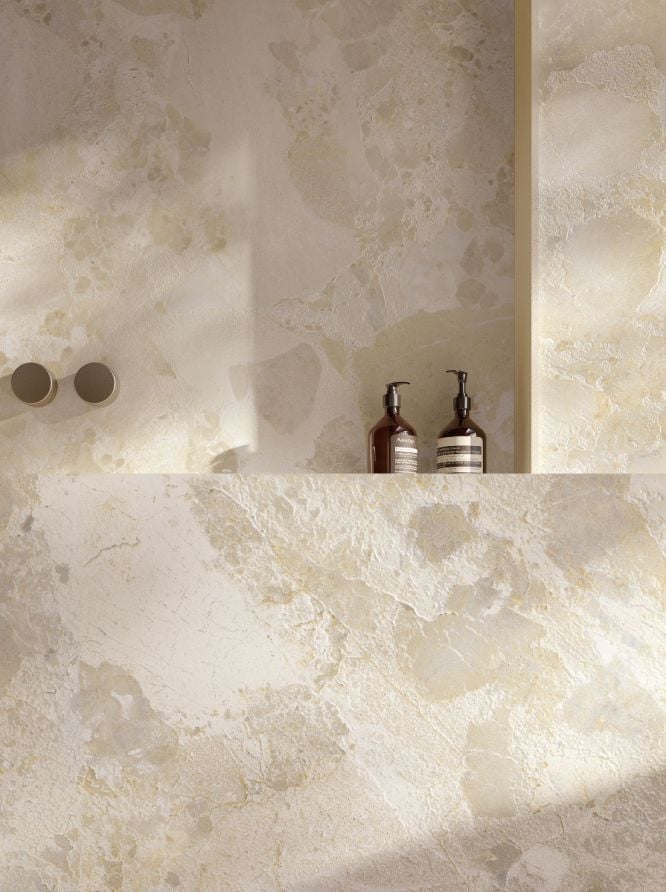
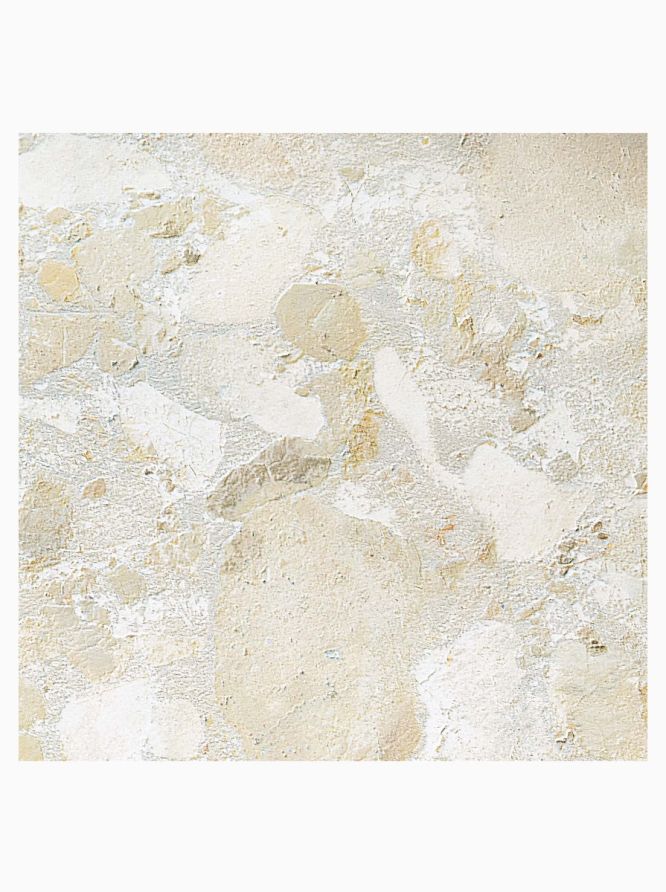
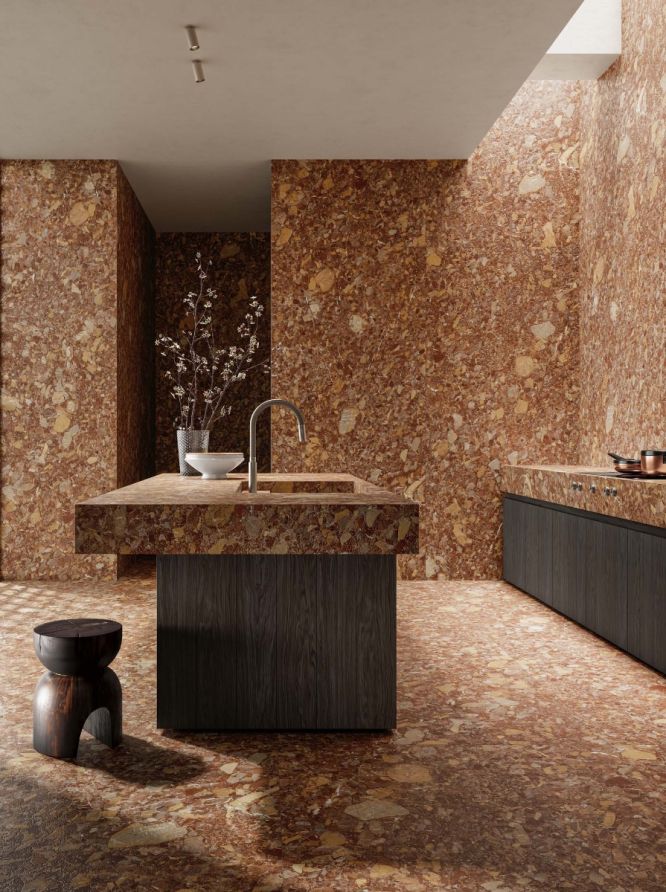
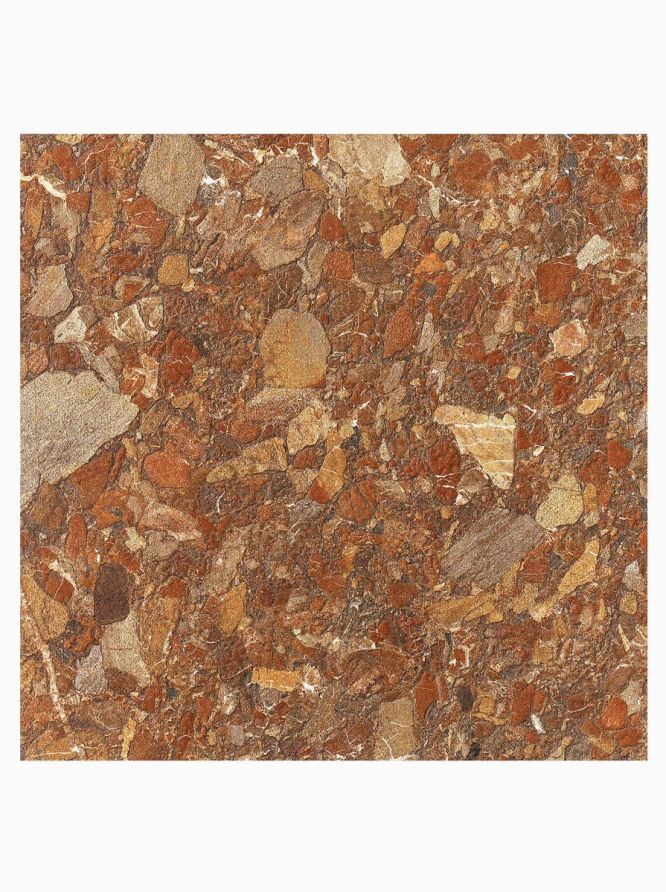
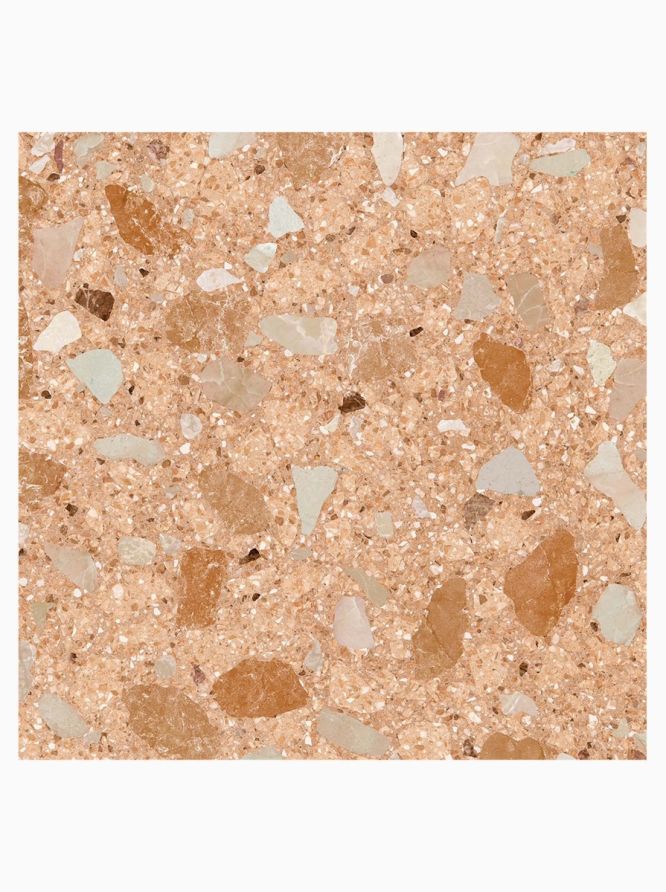
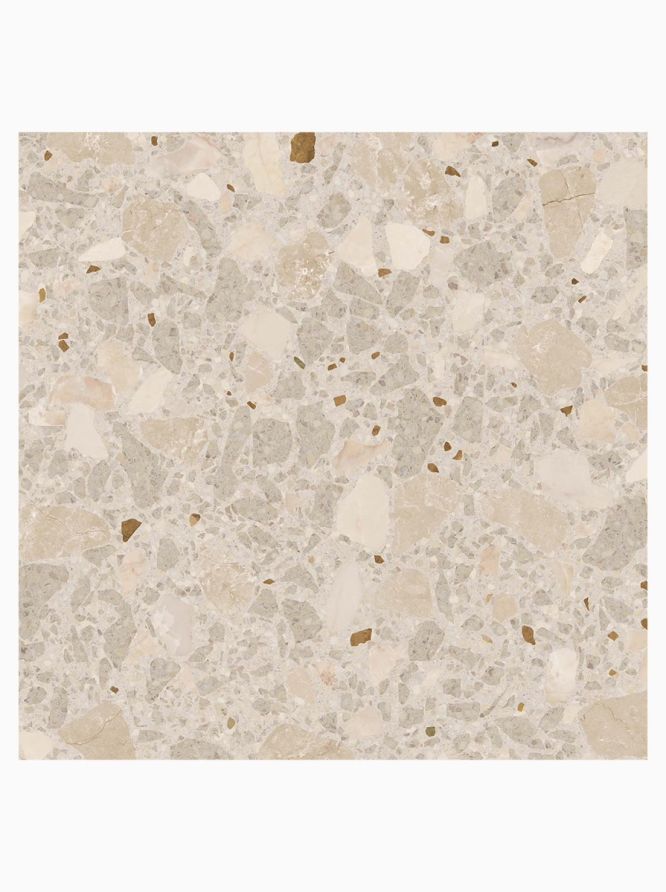
Ceppo is a material that has a distinctive natural beauty with embedded stone or gravel shards, remaining a favourite in architecture and interior design for decades. Modern porcelain production techniques now recreate this iconic fragmented stone look across a range of tile sizes and finishes, from the fluid and visually stunning Amicorum, to the bold statement styling of Palladiana, with the added practicality needed for everyday living.
















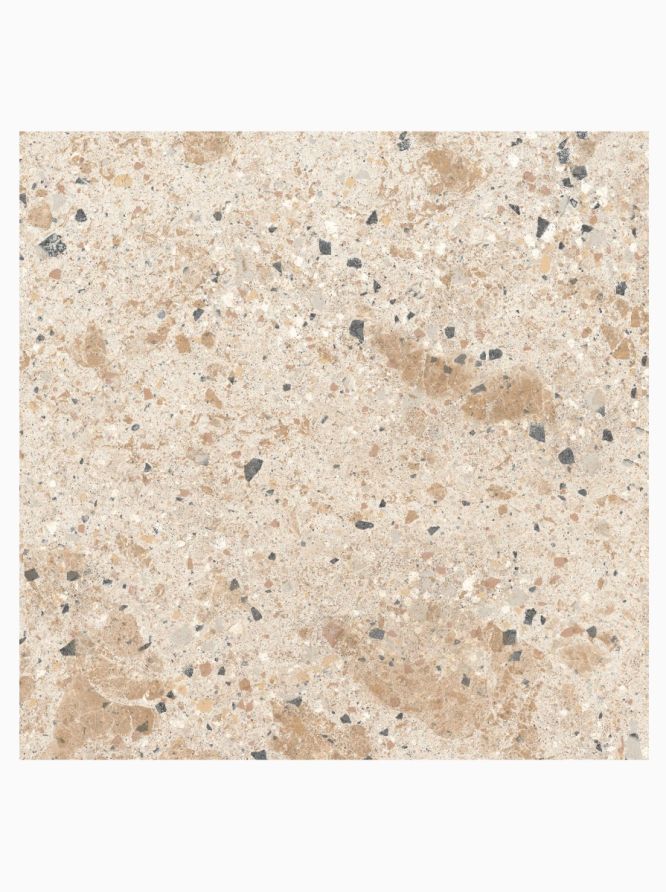
What are Ceppo-style tiles?
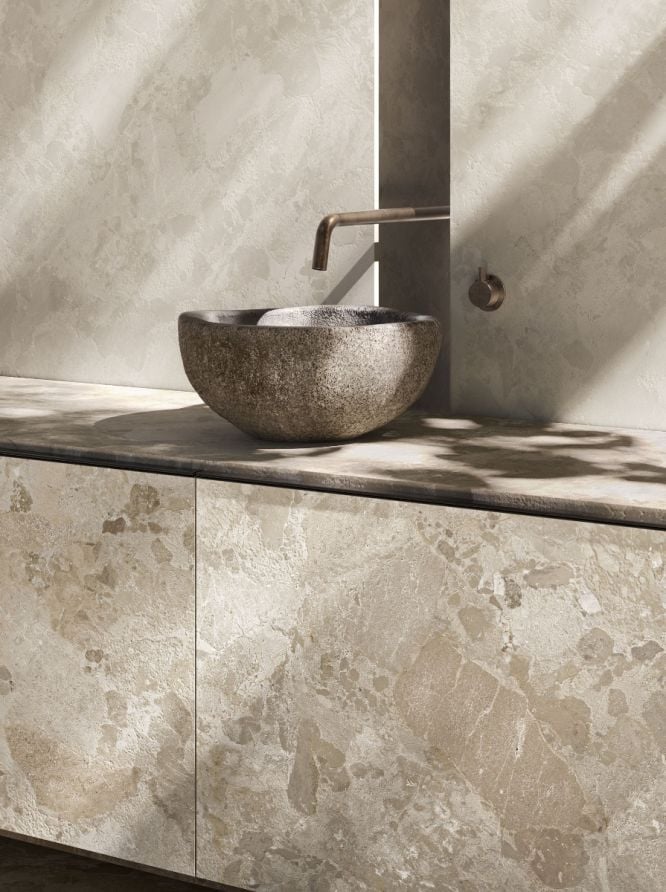
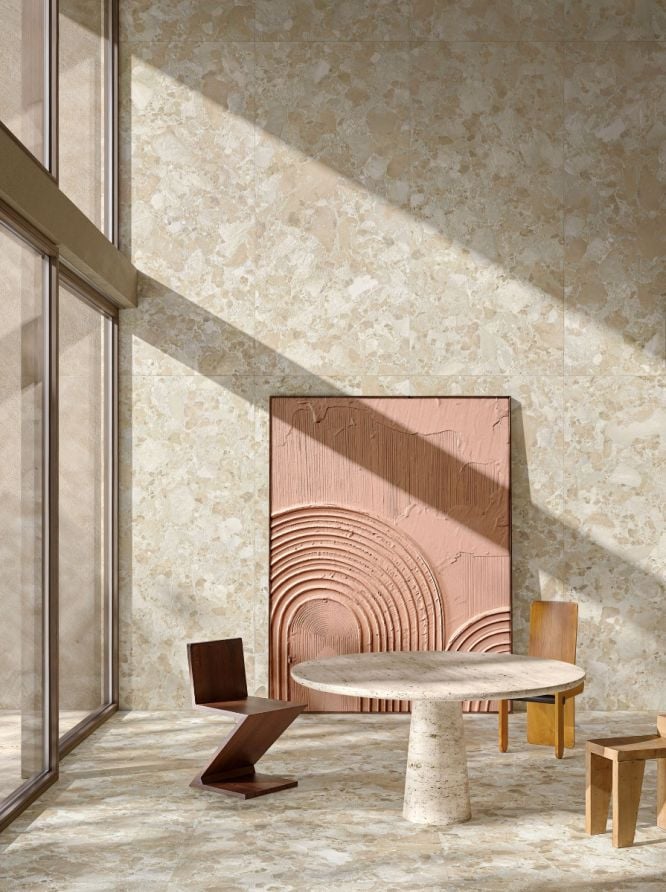
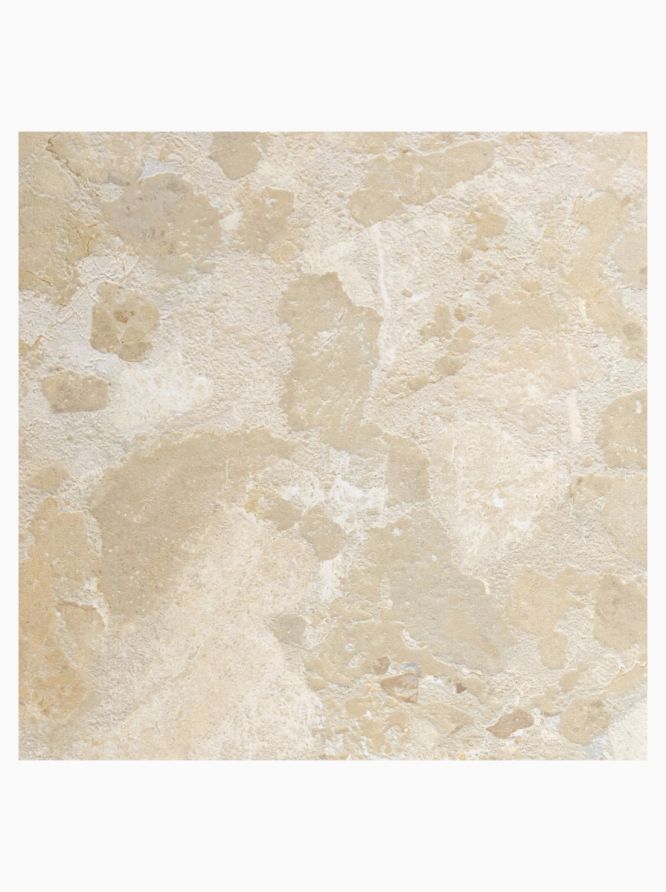
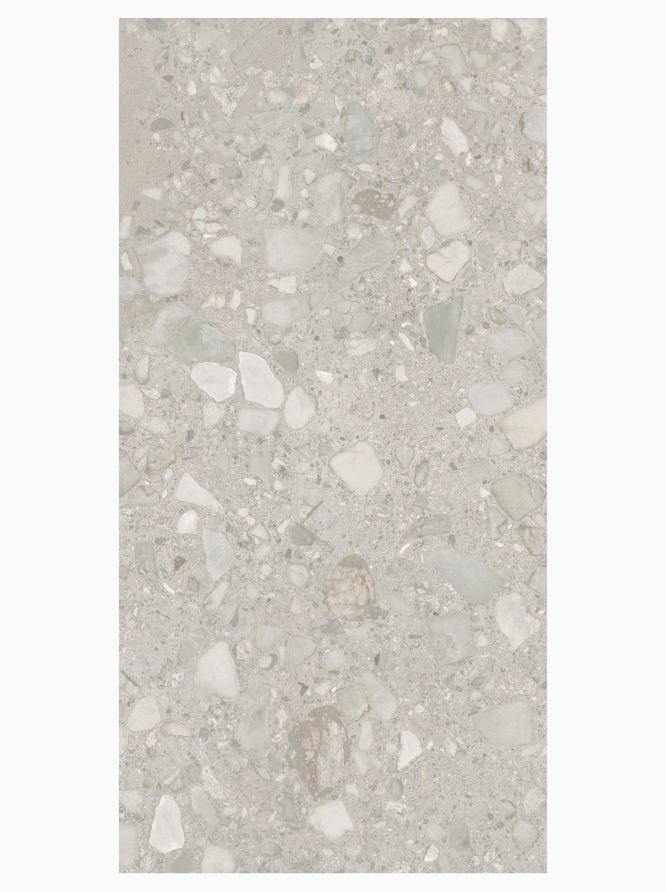
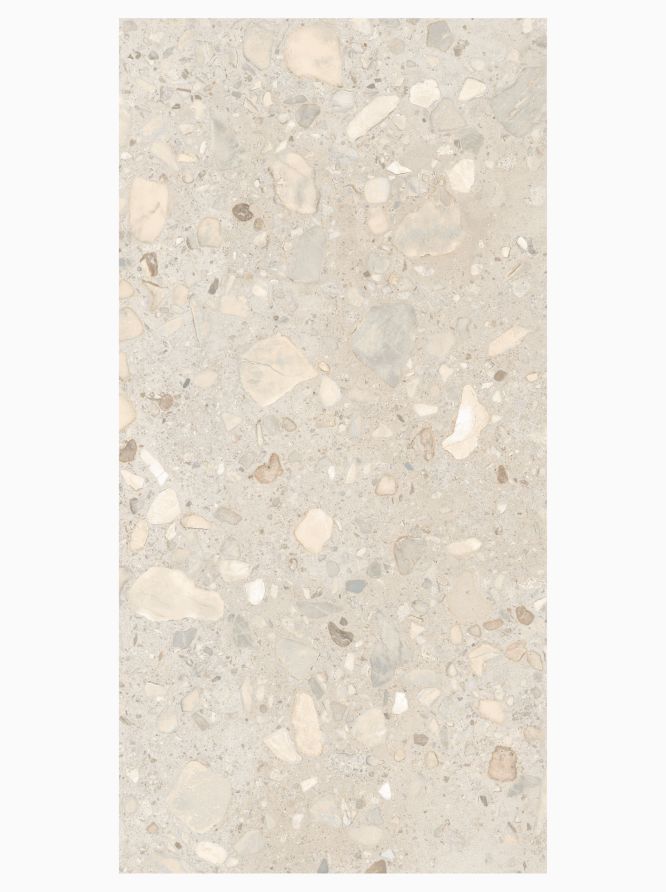
Ceppo-style tiles are inspired by the distinctive appearance of Ceppo di Gré, an Italian stone known for its striking composition of natural pebbles and fragments within a finer background field. Associated with the architecture of northern Italy, particularly Milan, this characteristic stone has become a favourite among designers seeking a surface with texture, depth and a strong architectural identity, albeit replicated in durable porcelain more often than not more recently.
The appeal of Ceppo lies in its irregular pattern. Rather than the veining of conventional marble or the uniformity of plain stone, its scattered fragments create a richly textured surface with a naturally composed appearance. The effect has much in common with traditional Italian terrazzo and Palladiana flooring, both of which celebrate the beauty of stone fragments.
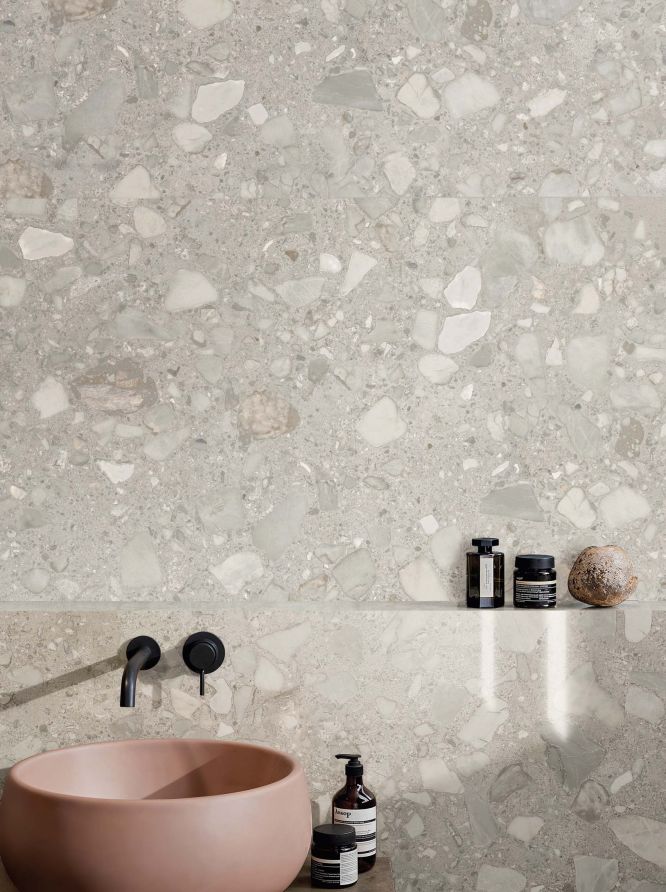
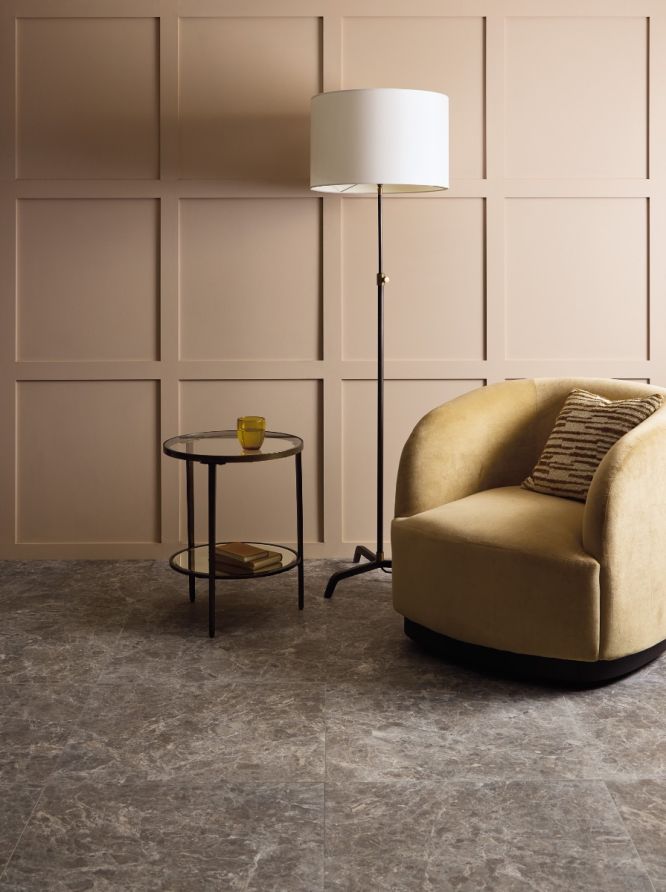
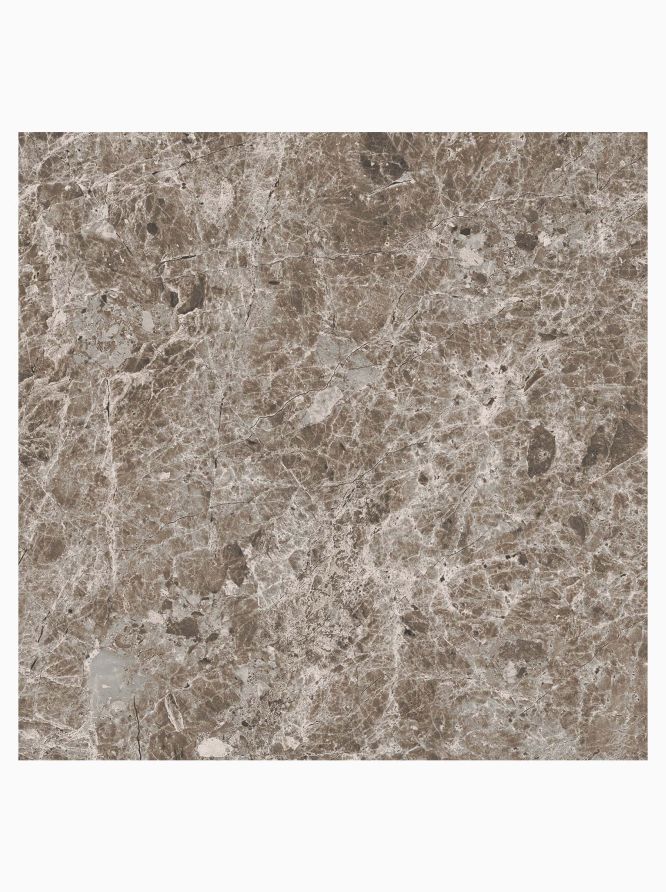
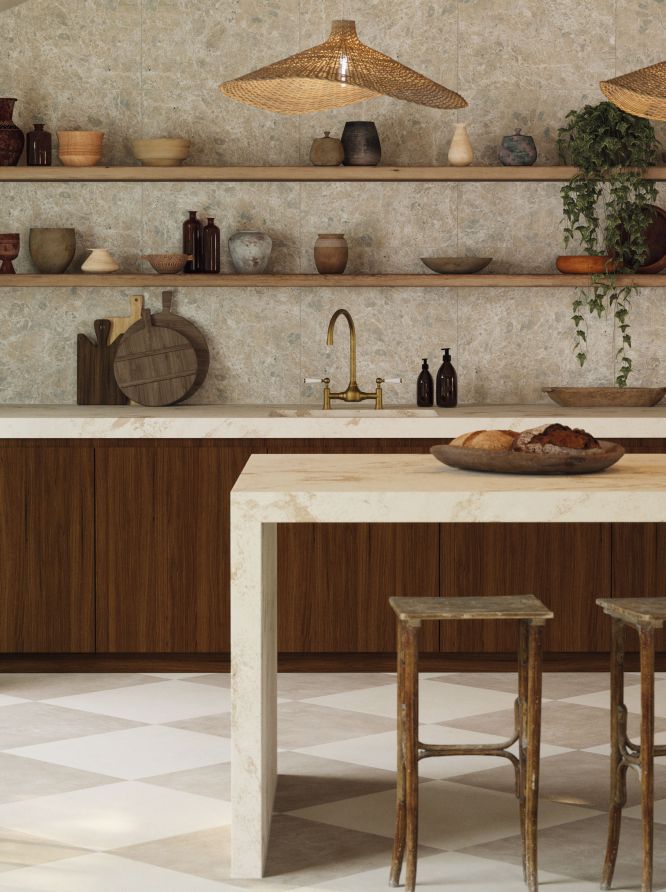
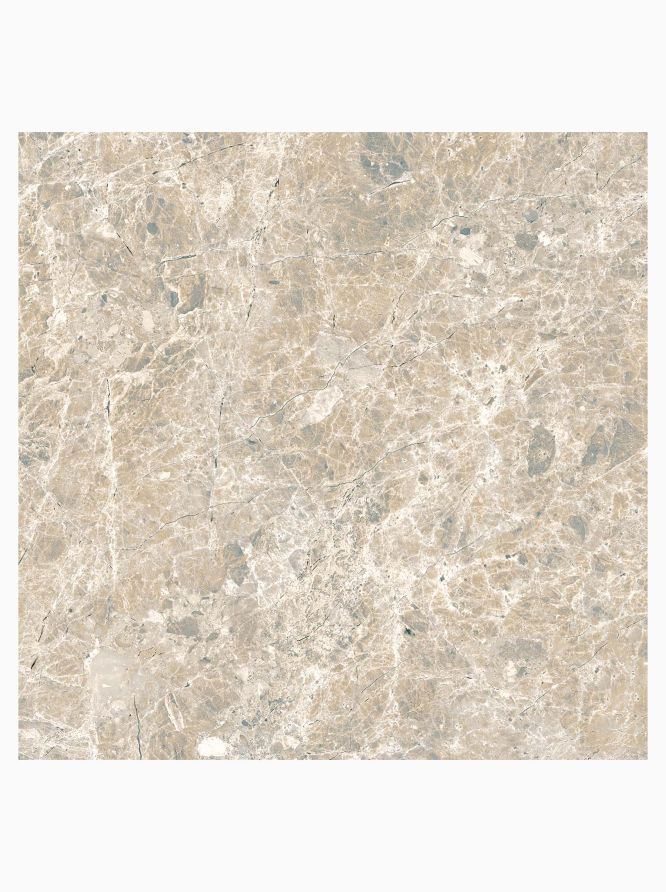
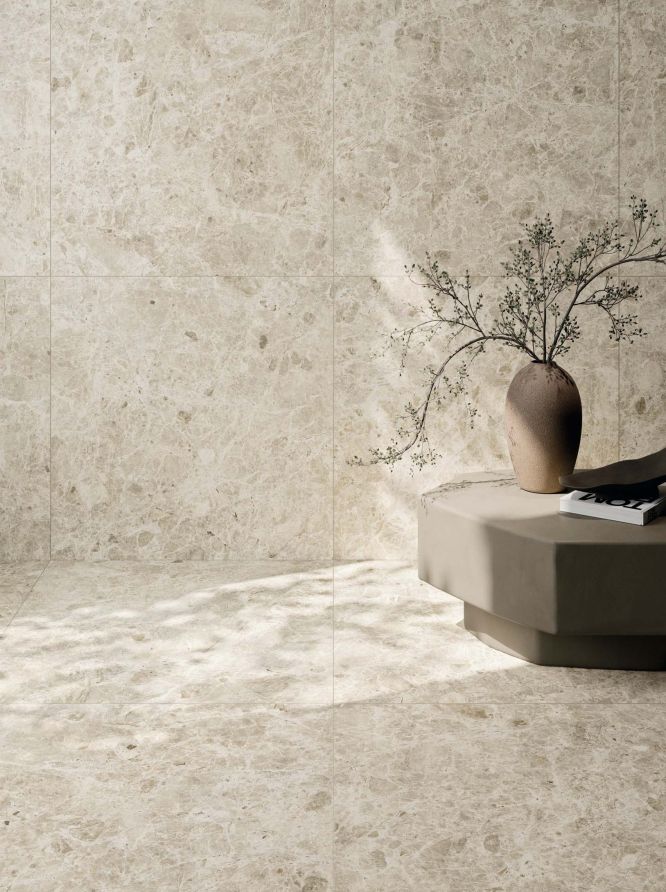
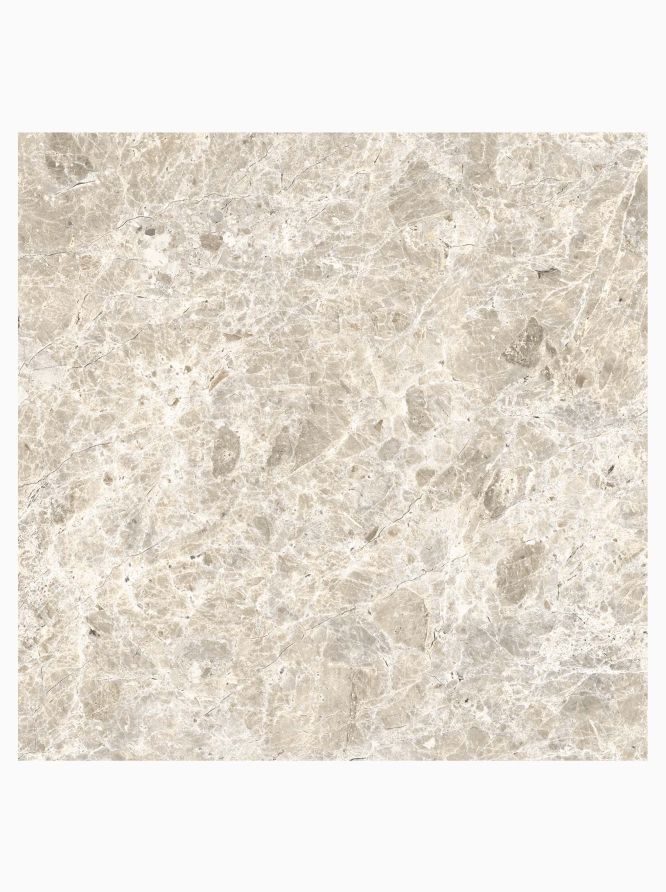
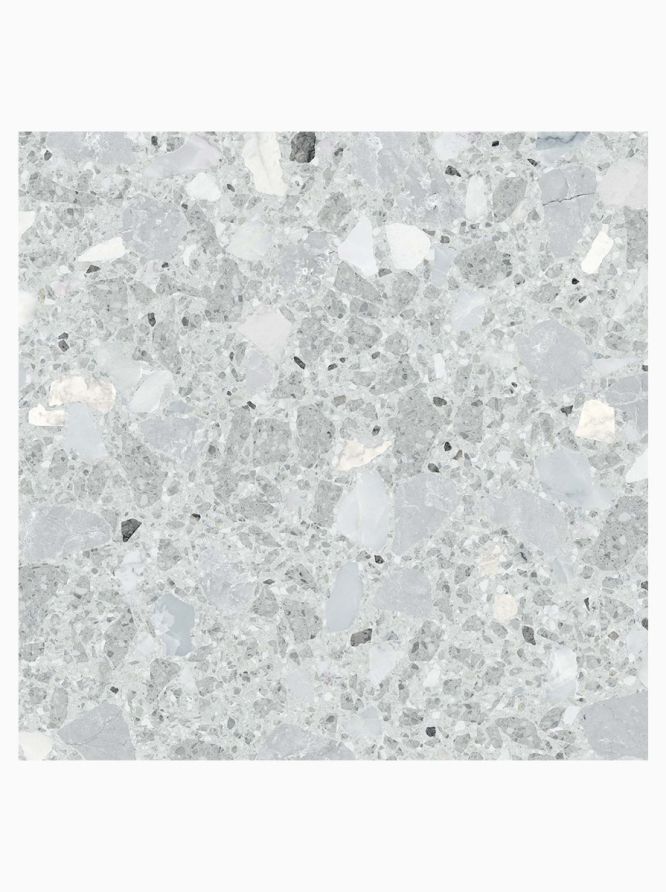
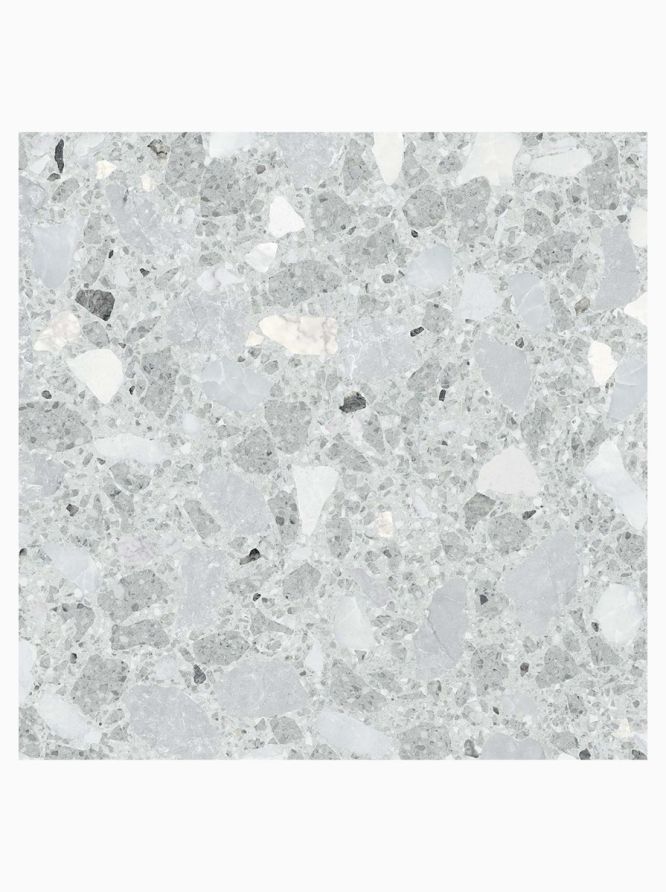
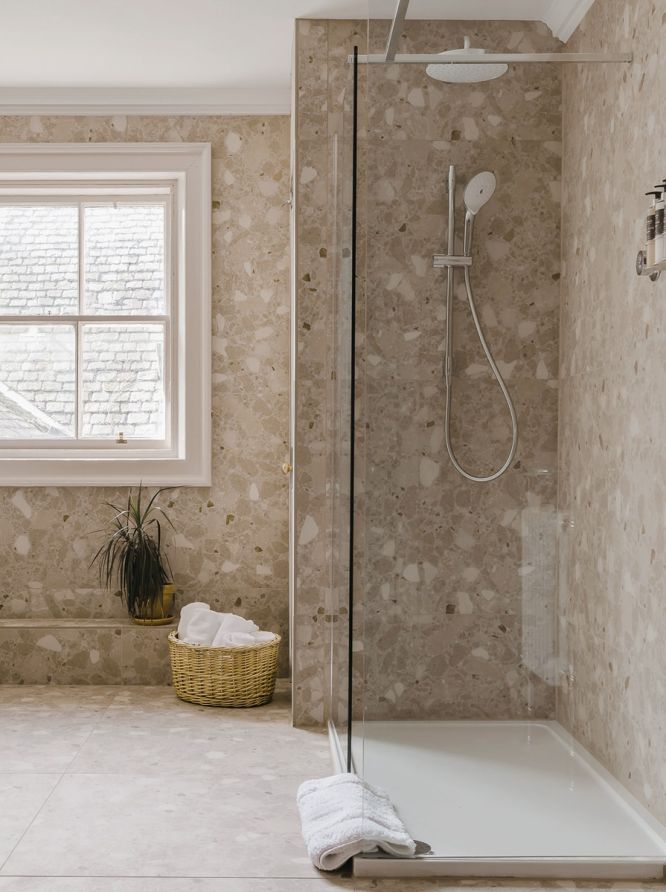
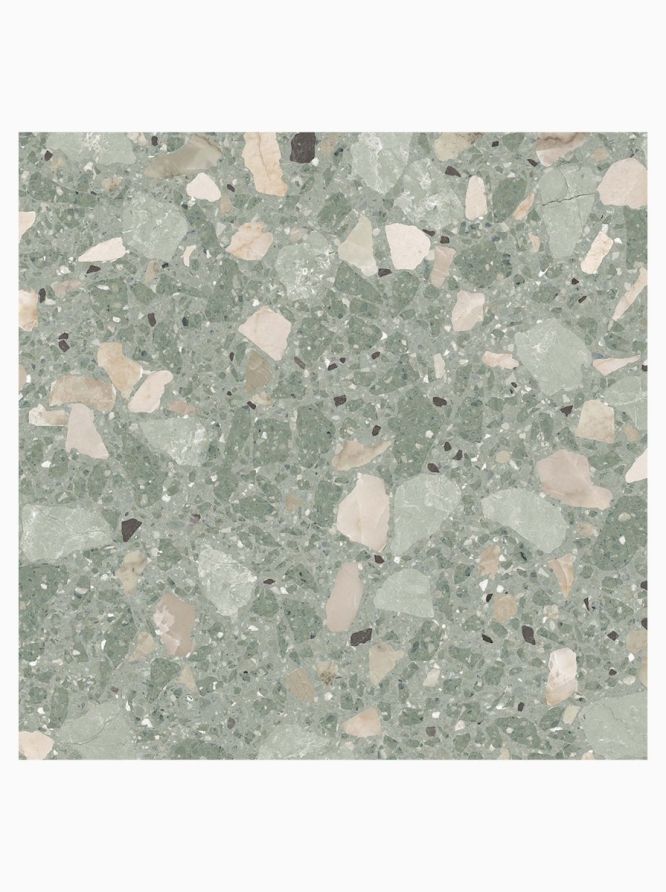
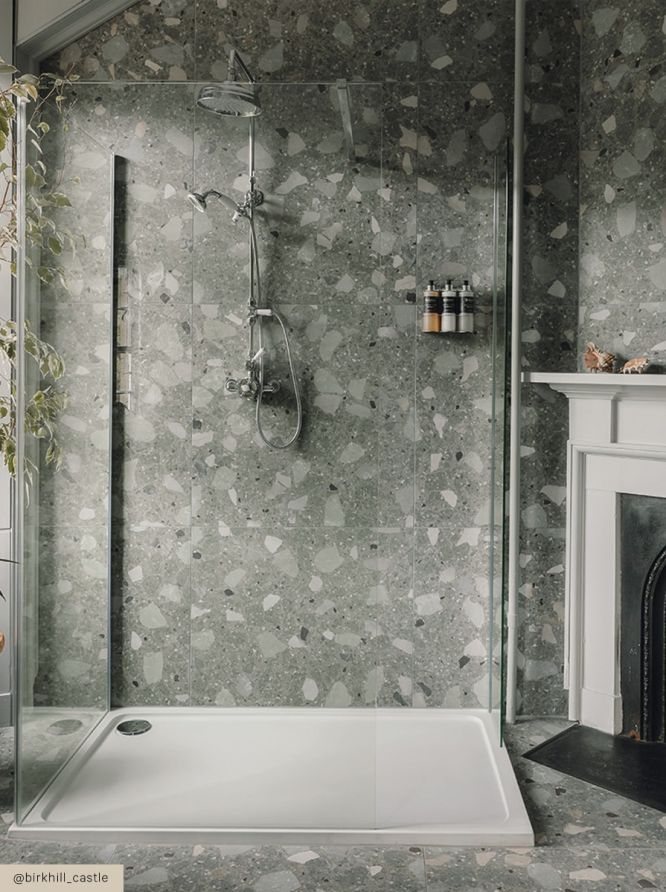
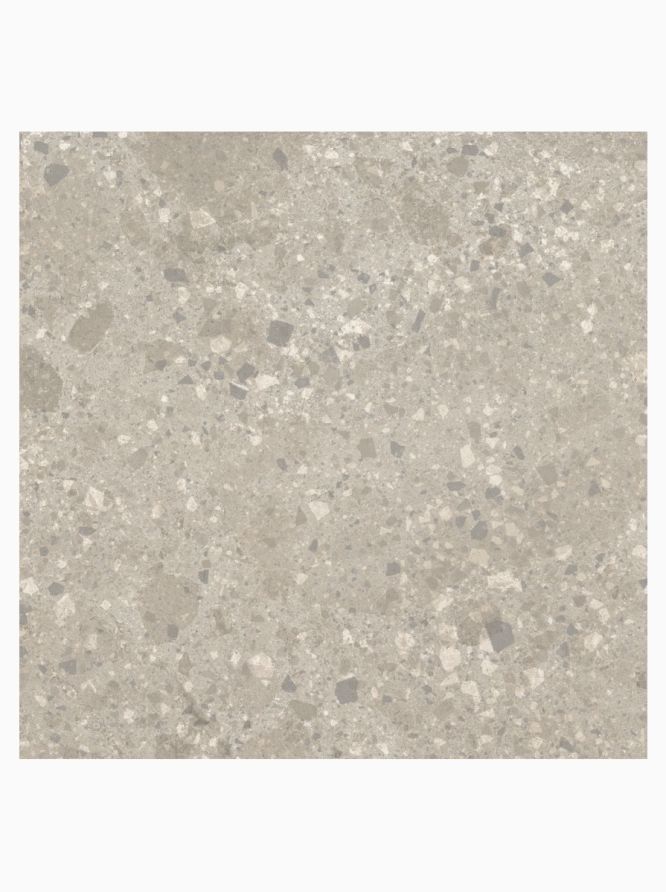
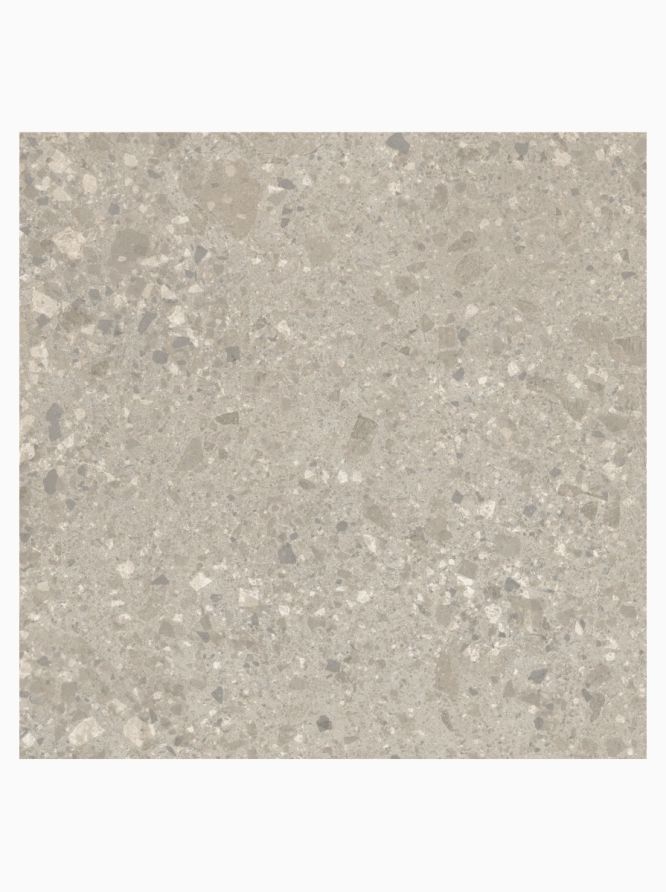
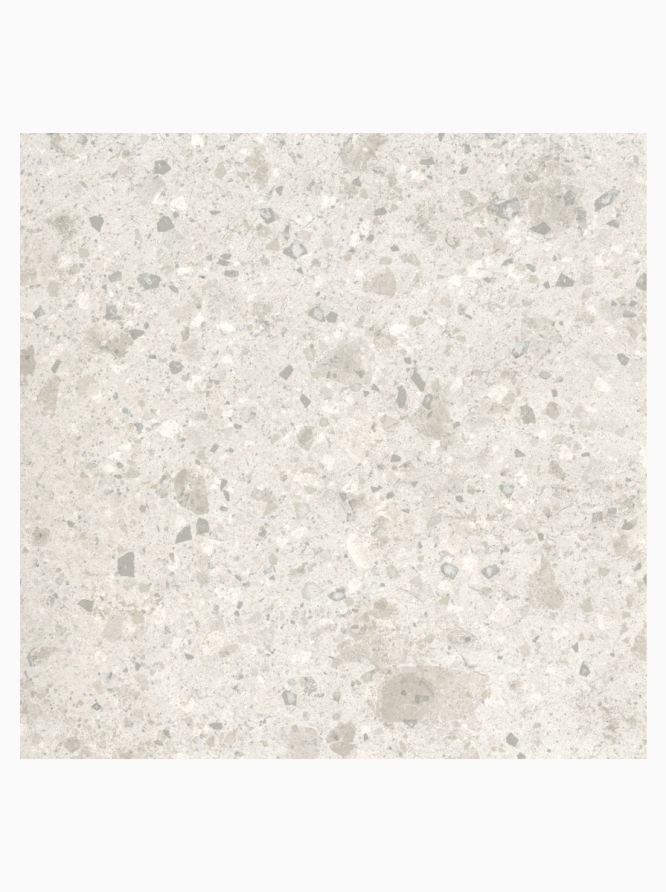
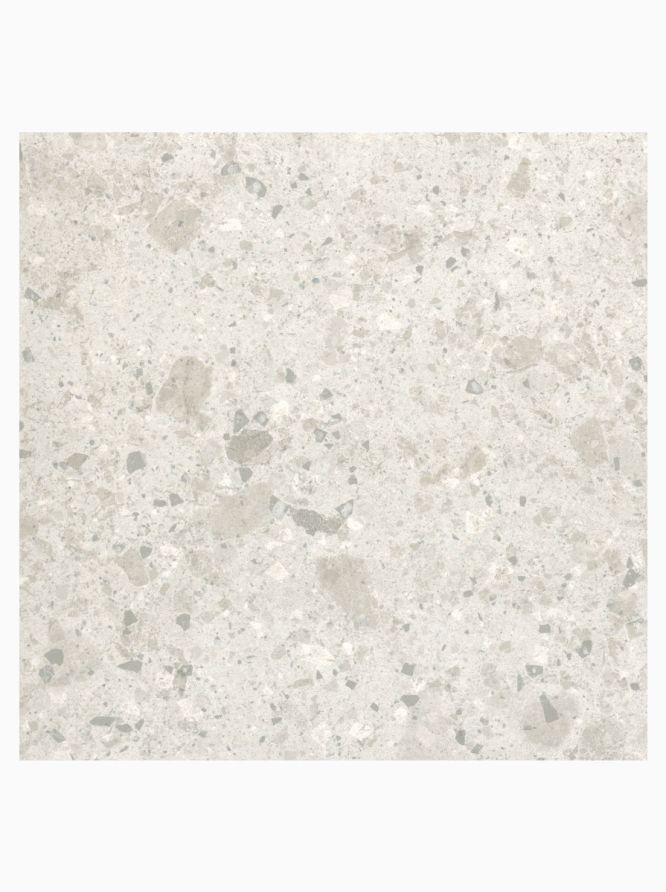
Claybrook Studio's Palladiana porcelain tiles reinterpret this distinctive aesthetic for contemporary interiors. Available in Bologna and Verona colourways, the collection offers two different expressions of the design, from a lighter, warmer palette to a cooler grey. The large-format rectangular tiles create a considered finish across floors and walls, bringing the character of Italian stone into a modern material.
For anyone looking for Ceppo-effect porcelain tiles that combine architectural interest with a versatile design, Palladiana offers a way to introduce this distinctive Italian look to both traditional and contemporary homes.
Read more about Ceppo Tiles here.
-
What is the difference between Ceppo, terrazzo and Palladiana tiles?
Ceppo, terrazzo and Palladiana are closely related in appearance, but they originate from different materials and traditions. Understanding the differences helps explain why these distinctive surfaces remain popular in interior design. Ceppo di Gré is a natural Italian stone, recognised for its conglomerate structure, in which fragments of different sizes are embedded within the surrounding rock. Its irregular, pebble-like pattern has an organic quality that distinguishes it from more familiar marble and limestone finishes.
Terrazzo is traditionally created by combining chips of marble or other aggregates with a cement-based or resin binder, then finishing the surface to reveal the fragments. This is how Claybrook’s Tolentino real terrazzo is created. Palladiana takes a different approach, traditionally arranging larger, irregular pieces of stone within a binder to create a more fragmented composition. All three share a fascination with the decorative possibilities of stone, but their patterns and proportions give each a different character. Ceppo tends to feel geological and architectural, while terrazzo can range from subtle to highly decorative. Palladiana has a more expressive, irregular appearance.
Claybrook Studio's Palladiana porcelain tiles bring these influences together in a contemporary interpretation. Our Ceppo-style pattern offers the visual interest associated with traditional Italian flooring, translated into porcelain for modern residential and commercial interiors.
-
Are Ceppo-effect porcelain tiles suitable for hallways, kitchens and bathrooms?
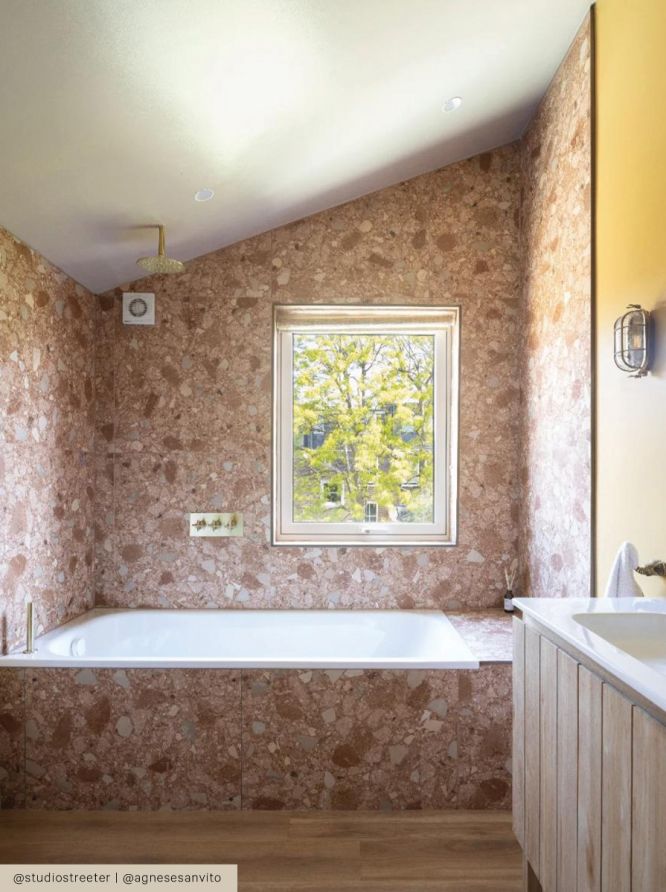
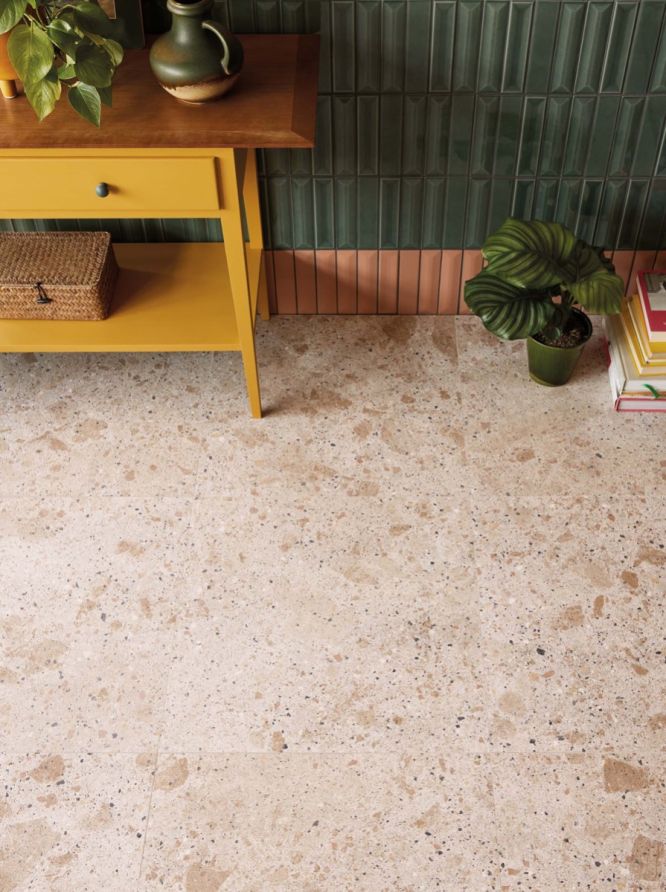
Ceppo-effect porcelain tiles are an appealing choice for hallways, kitchens, dining rooms, bathrooms and open-plan living spaces. Their distinctive pattern gives a floor or wall more visual interest than a plain finish, while remaining sufficiently restrained to work with a wide range of interior styles. In a hallway, Ceppo-style floor tiles establish an immediate sense of character. They can complement original architectural details in a period property or provide a more modern welcome in a newly built home. In kitchens, the pattern works particularly well alongside painted cabinetry, stone worktops and simple metal fittings, creating a textured backdrop without overwhelming the scheme.
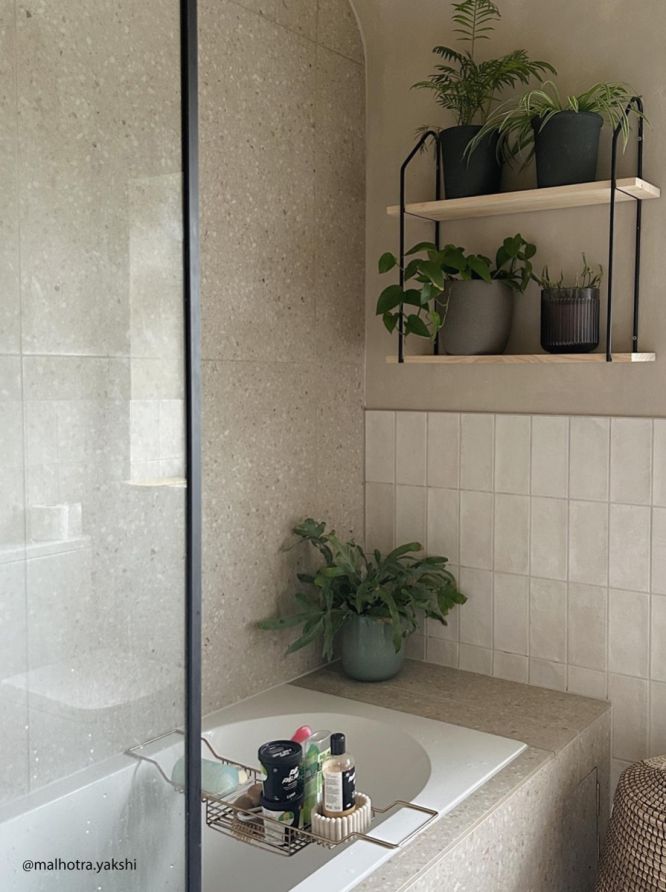
For dining rooms and open-plan living areas, porcelain flooring can help establish continuity between different zones. Using the same tile across connected spaces creates a coherent foundation for furniture, lighting and changes in wall colour. Ceppo-effect tiles can also be used in bathrooms, where their stone-inspired appearance brings depth to floors and walls. Pair them with simple sanitaryware, warm timber or contrasting finishes to create a bathroom that feels architectural and decorative.
Claybrook Studio's Palladiana collection is designed for both wall and floor applications. As with any tile, check the product pages and our specification for the intended location and suitability for wet areas, including slip resistance. With the right choice of finish and layout, Ceppo-style porcelain can provide a distinctive foundation for interiors throughout the home.
-
Do Ceppo-style tiles work in both traditional and more modern homes?
Ceppo-style tiles have a particular versatility that makes them equally at home in period properties and modern interiors. Although their inspiration comes from traditional Italian stone, the irregular pattern has a distinctly architectural quality that works across different styles. In a Victorian or Edwardian home, Ceppo-effect flooring can sit comfortably alongside original timber joinery, panelled doors, decorative plasterwork and antique furniture. Rather than attempting to reproduce a historical floor, it introduces a complementary material that respects the character of the building while giving the interior a fresh perspective.
In country houses and farmhouse-style interiors, the pattern works well with warm neutrals, textured fabrics and aged metal finishes. Its varied composition adds depth without requiring strong colour or elaborate decoration elsewhere in the room. For contemporary spaces, Ceppo-style porcelain takes on a more graphic character. Large-format tiles, clean-lined cabinetry and simple architectural details allow the pattern to become a defining feature of the interior. It can be paired with concrete-inspired finishes, sculptural furniture, bold colour or minimalist fittings for a more innovative approach.
Claybrook Studio's Valsera and Corvello tiles offer a modern interpretation of a traditional Italian flooring aesthetic, making them suitable for schemes that range from classic to confidently contemporary. Whether used across a hallway, kitchen or living area, they provide a distinctive surface that brings materials and furnishings together without dictating a particular decorating style.
-
Can Ceppo-effect porcelain tiles be used in restaurants, bars and hotels?
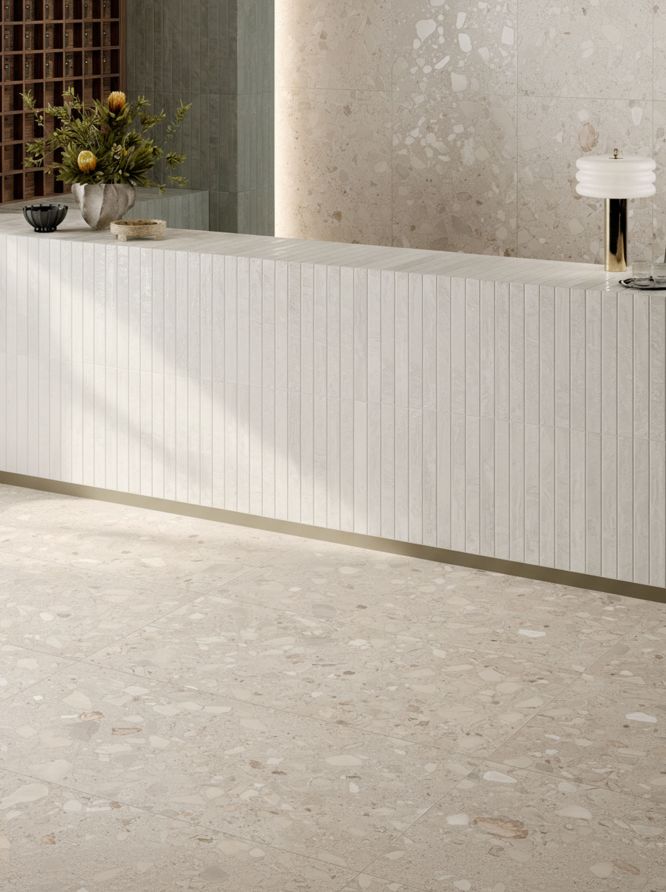
Ceppo-effect porcelain tiles can be an excellent option for commercial interiors, including restaurants, cocktail bars, boutique hotels, hotel foyers and reception areas. Their stone-inspired pattern gives large surfaces architectural interest, helping designers create a memorable setting without relying on elaborate decoration.
In restaurants and bars, Ceppo-style flooring can complement timber tables, upholstered seating, brushed metal details and atmospheric lighting. In hotel entrances and reception spaces, the distinctive pattern creates a strong first impression, balancing the character of traditional Italian materials with a contemporary finish. The same aesthetic can work in retail spaces, studios and other commercial interiors where the flooring plays an important part in the overall design.
Porcelain is often chosen for commercial projects because it offers a hard-wearing, low-maintenance surface. It is generally resistant to moisture and everyday staining, and typically does not require the sealing associated with many natural stones. These characteristics can make it a practical alternative for busy interiors, although performance depends on the particular product and its installation.
For commercial specifications, it is important to assess the expected footfall, cleaning regime, slip resistance and intended application before selecting a tile. Restaurants, hotel foyers and other public spaces may have different technical requirements, so the product data should always be checked against the project brief.