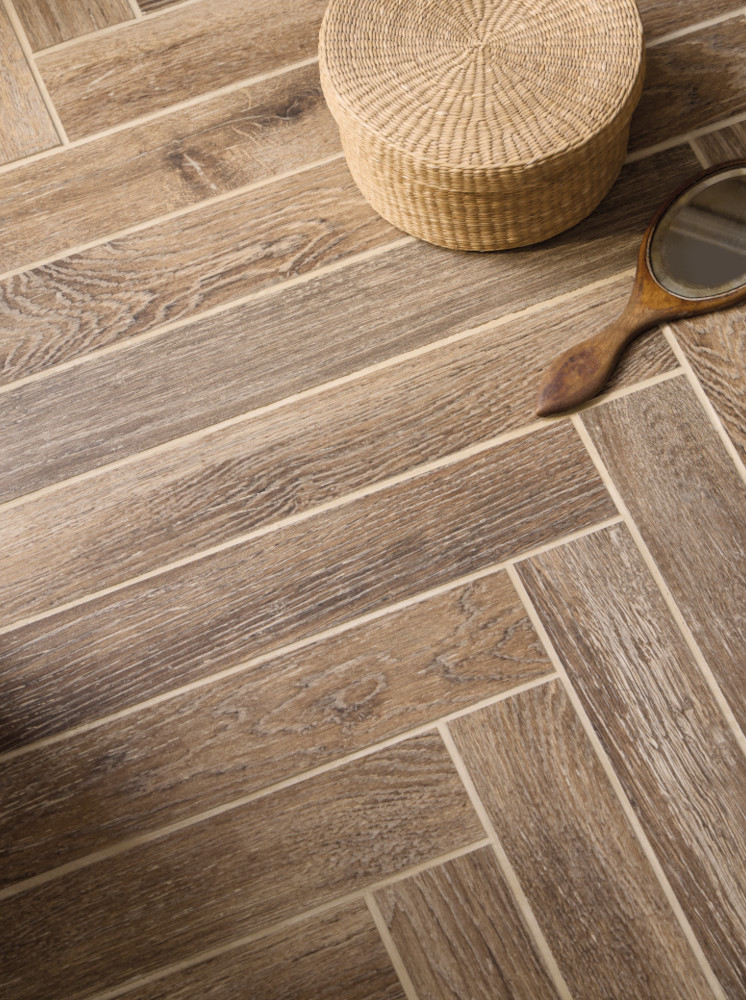

Wood Effect Tiles
The use of wood as a flooring material clearly stretches back millennia, however, not everyone loves or can make use of this natural product. Technically, porcelain that looks like wood plank and parquet has come on enormously in recent years in terms of how it replicates the real thing. It is also perfect for bathrooms where natural wood is not always possible to use, being so practical and easy to maintain in areas with moisture. At Claybrook we love how versatile our beautiful wood porcelain collections are and so showcase them in this section for comparison.










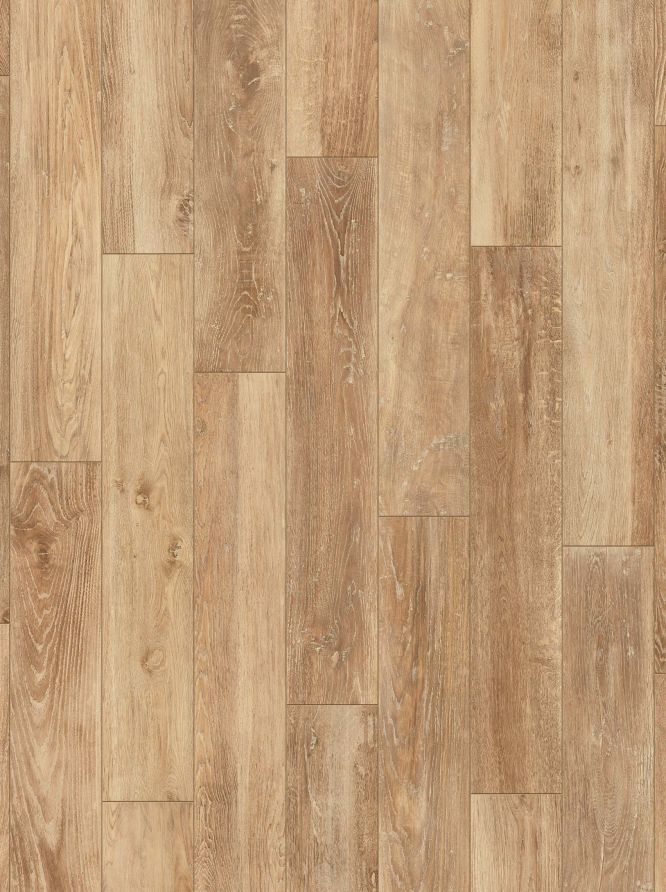
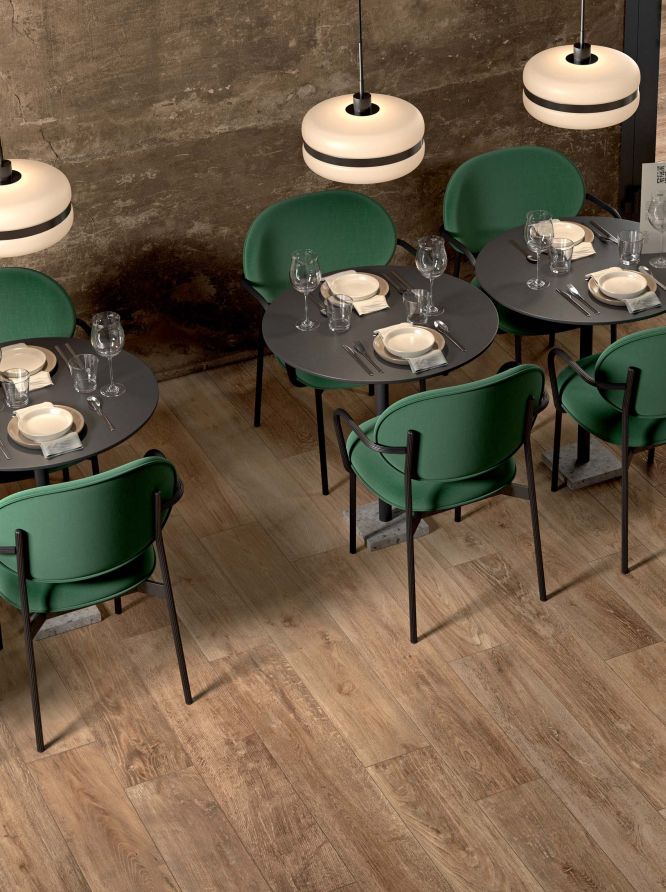

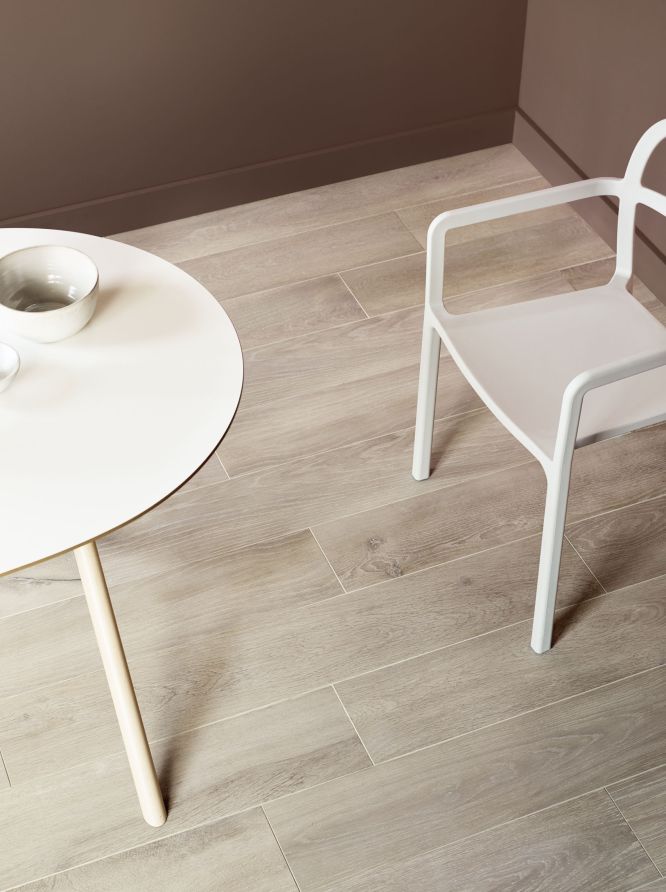
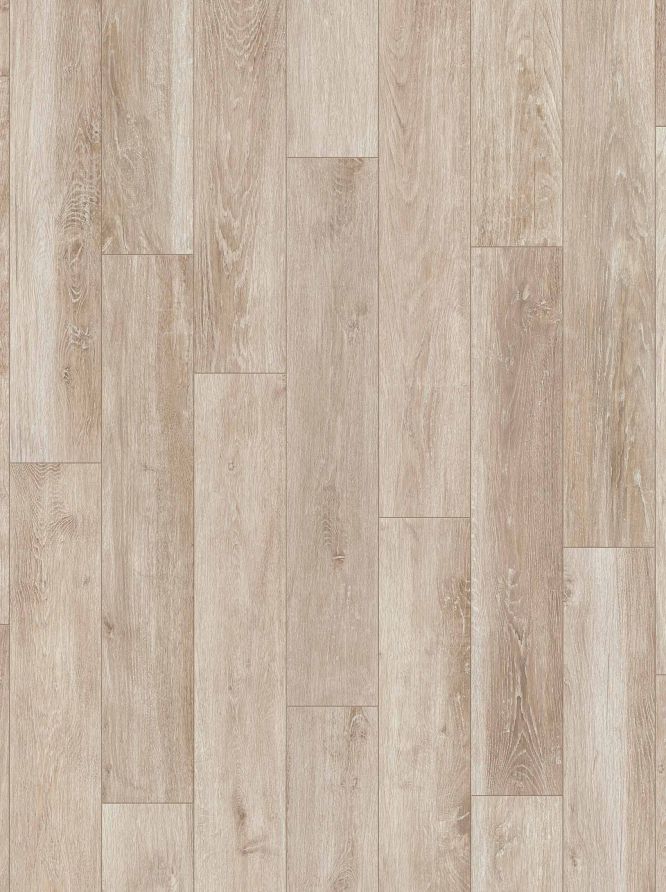
Wood Effect Porcelain Tiles
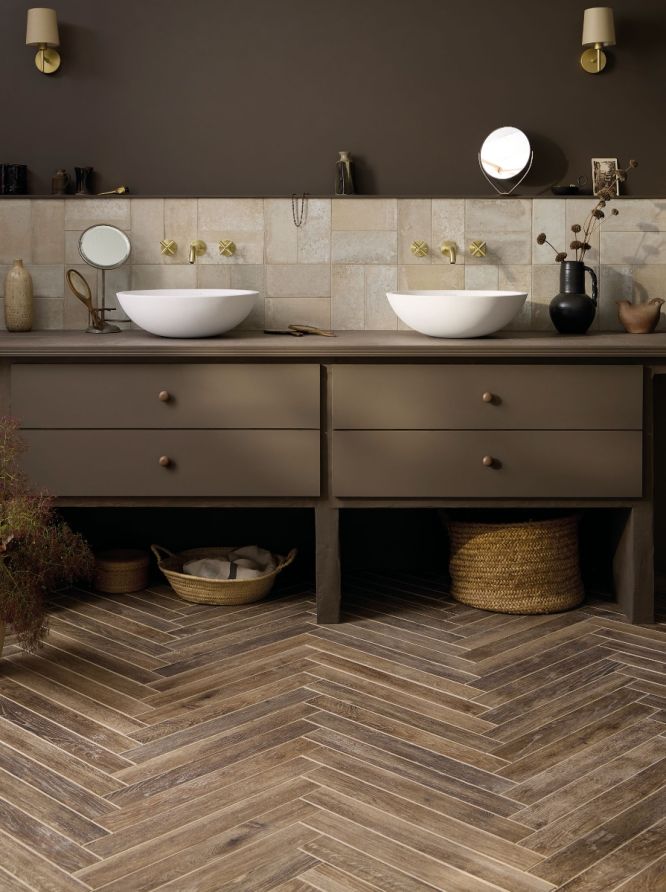
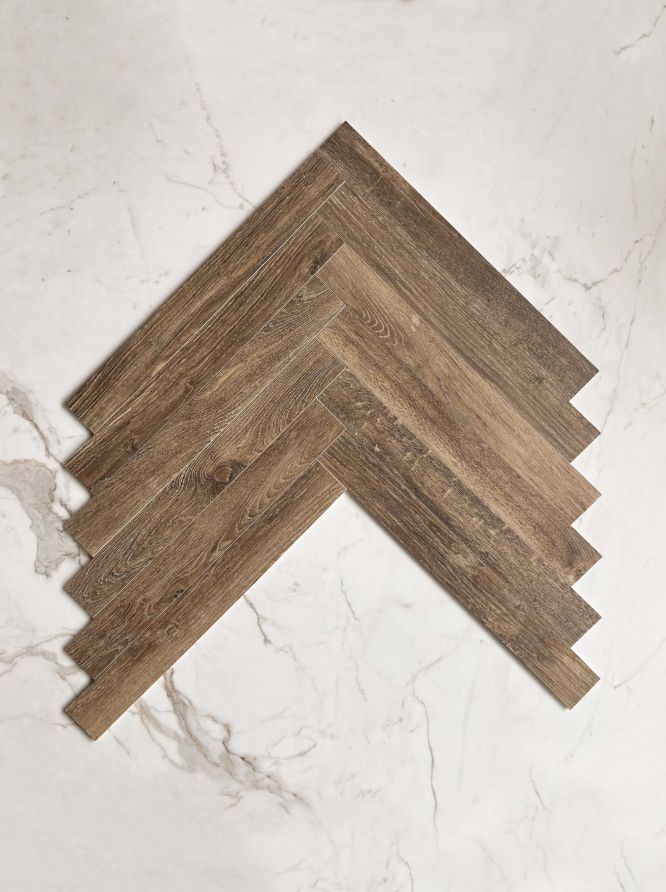
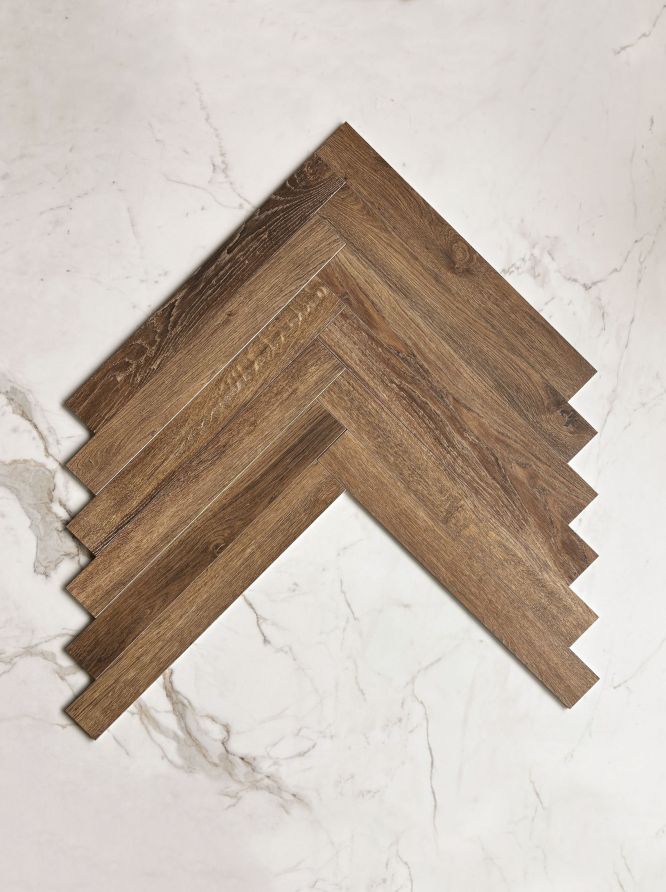
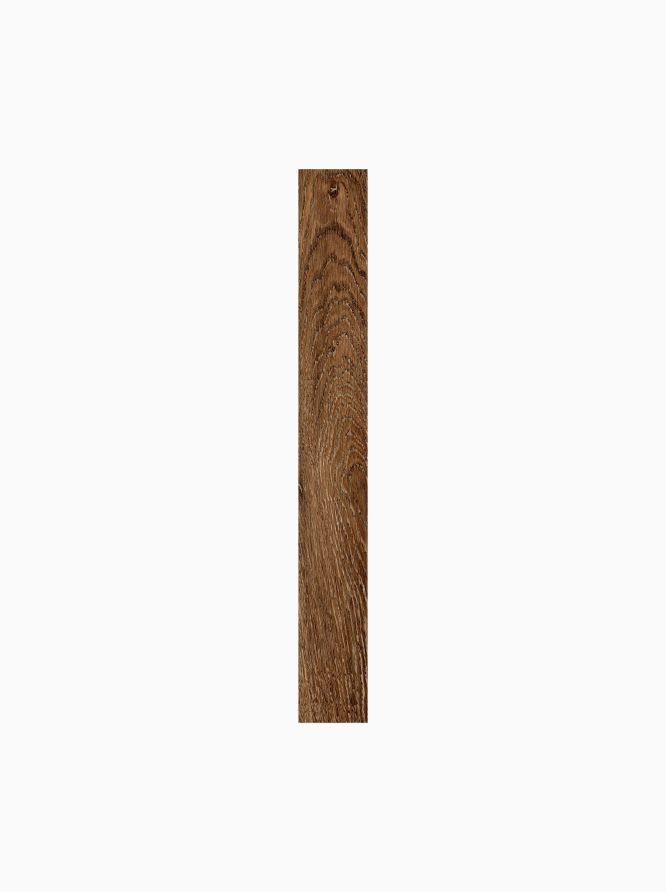
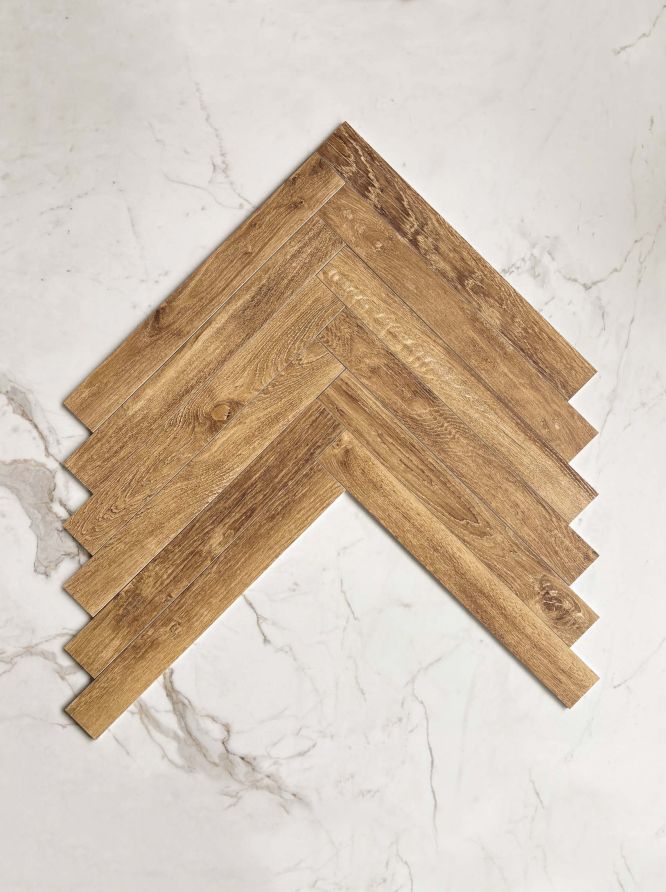
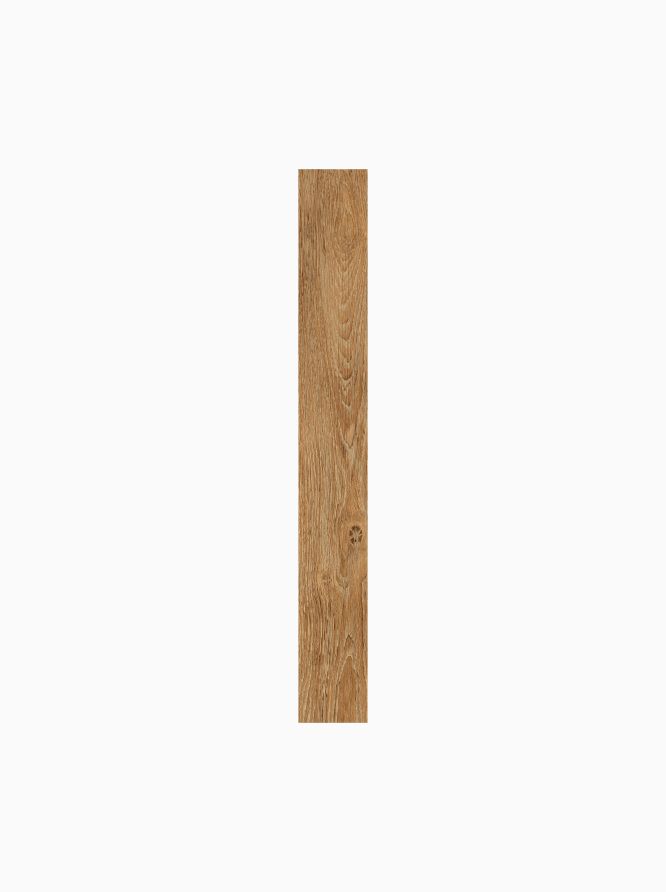
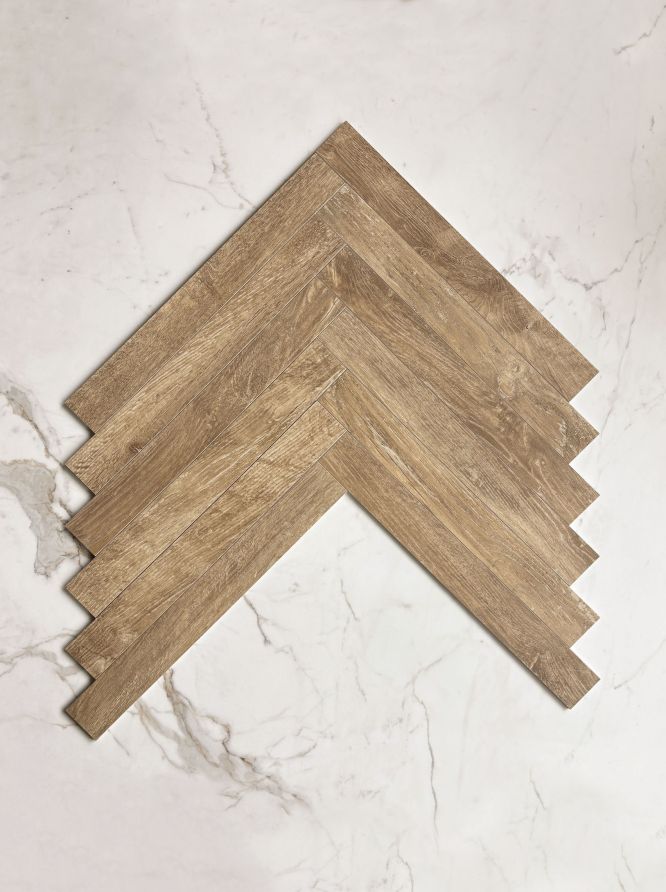
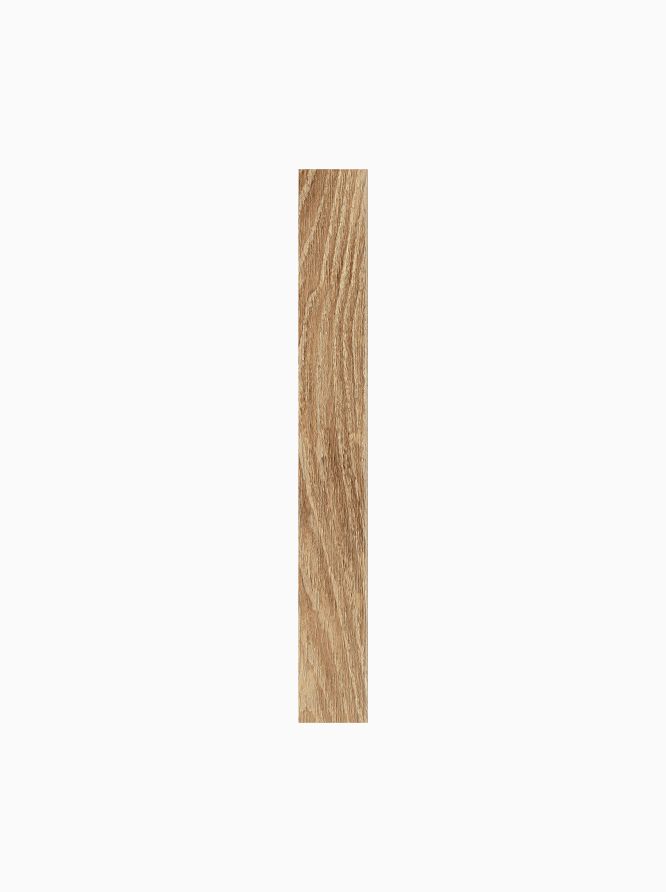
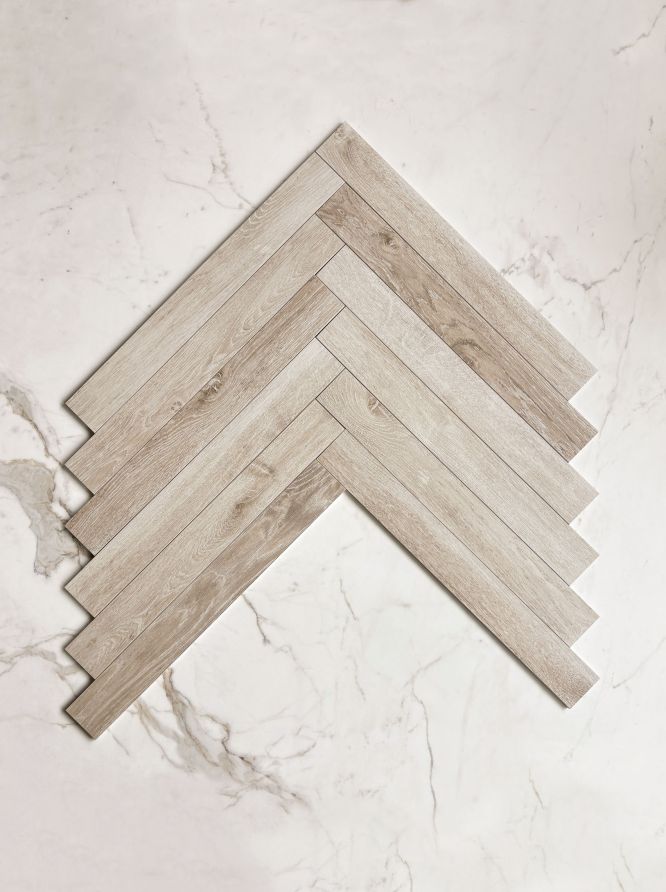
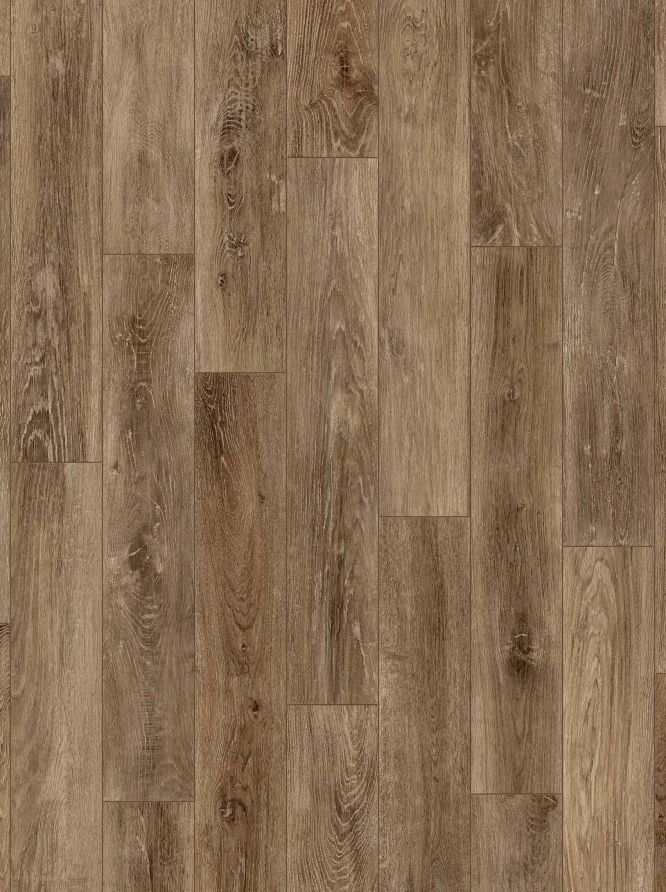
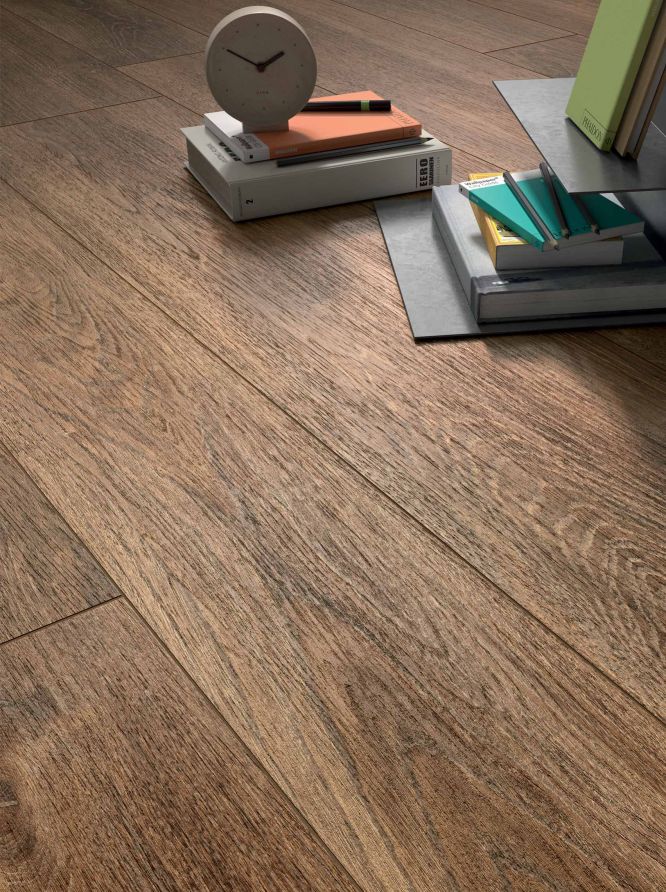
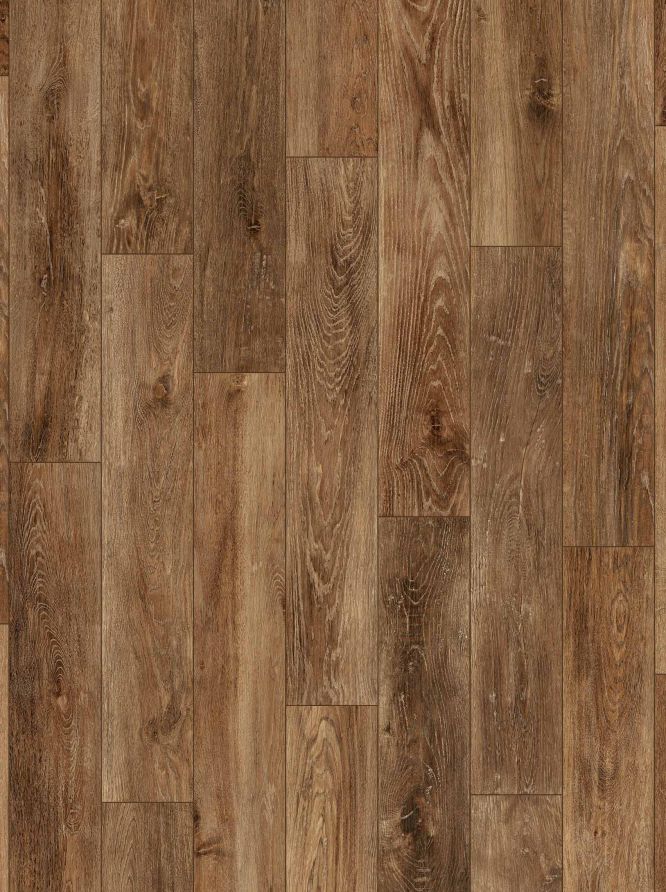
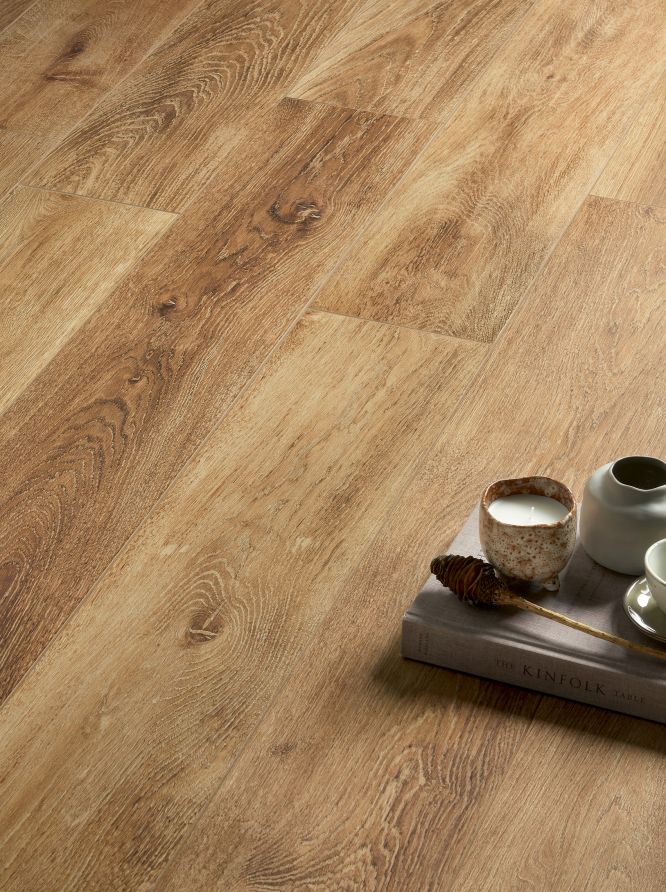
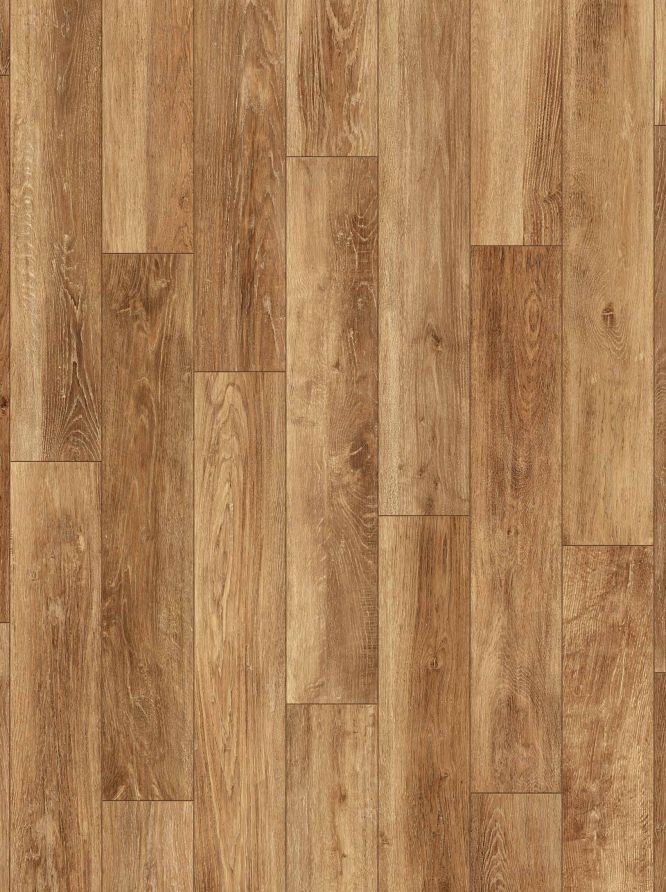
Wood effect porcelain tiles combine the visual appeal of natural timber with the performance of porcelain. Carefully reproduced grain patterns, knots and subtle shifts in colour give the surface the character of wood, while the tile itself offers a hard-wearing, low-maintenance finish. Our Shell Bay collection, available in plank and herringbone formats, recreates the look of real wooden flooring, bringing warmth and texture to an interior without the upkeep associated with timber.
The choice of format makes a difference to the finished look. Long planks create the familiar lines of a wooden floor, while herringbone introduces a more decorative, parquet-inspired pattern that works particularly well in period properties, elegant hallways and considered contemporary schemes.
Wood effect porcelain is also a useful way to achieve a consistent look across different rooms, including spaces where real wood may be less suitable. It offers a natural-looking foundation for everything from traditional country interiors to more modern, pared-back designs, twinning easily with stone, painted cabinetry, plaster finishes and other natural materials. It feels at home in older properties and those with a more modern Mediterranean style or warmly nostalgic finish.
-
Where can I use wood effect porcelain tiles in my home?
Wood effect porcelain tiles are suitable for a wide range of interiors, making them a versatile alternative to traditional timber flooring. In hallways and porches, they provide a hard-wearing surface for areas that see regular foot traffic, outdoor shoes and everyday dirt. In living and dining rooms, the appearance of wood creates a welcoming atmosphere, while porcelain offers a practical finish for busy family homes.Kitchens are another natural choice. Wood effect tiles bring warmth to the room, complementing painted cabinets and natural stone worktops without the same concerns about moisture and spills as a real wood floor. They can also be carried through into adjoining dining or living areas to create a sense of continuity in an open-plan space. They also work well in spaces with a softly nautical feel, or for rooms with a French or Swedish interior style.
In bathrooms, shower rooms and other wet areas, porcelain offers the look of timber in places where natural wood requires considerably more care. For commercial interiors, the same combination of appearance and performance can work well in suitable settings such as restaurants, cafés, boutiques and reception areas. Always check the tile's technical specification, particularly slip resistance, for the intended application.
-
Are wood effect porcelain tiles practical for kitchens and bathrooms?
One of the principal advantages of wood effect porcelain is that it brings the appearance of timber into rooms where moisture, spills and frequent cleaning are part of everyday life. Unlike natural wood, porcelain does not swell or warp when exposed to water in normal use, and its dense surface is resistant to staining and everyday wear. This makes it a particularly appealing choice for kitchen floors, where cooking spills and regular foot traffic are inevitable.
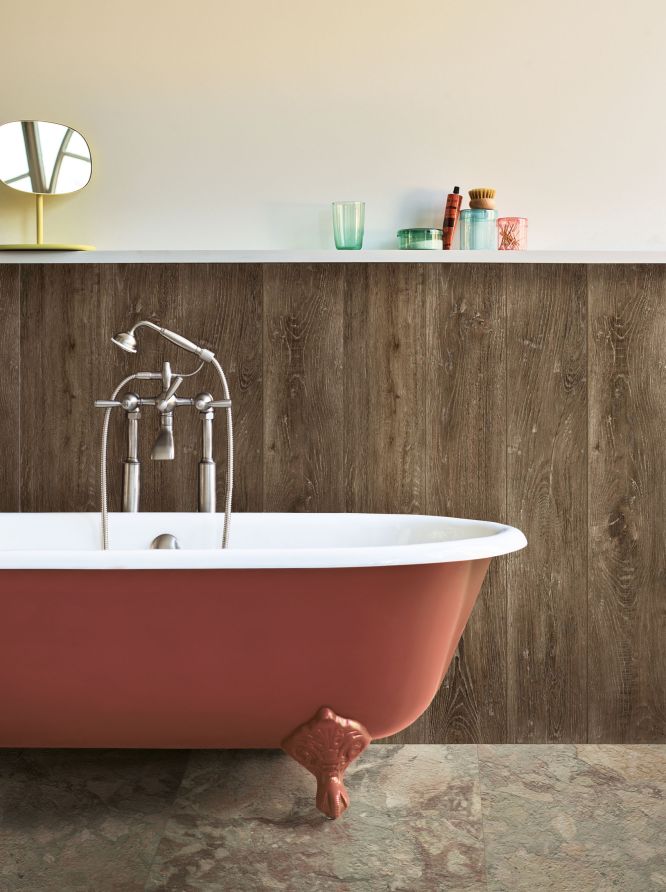
In bathrooms and shower rooms, wood effect porcelain can soften the look of a space that might otherwise feel dominated by white sanitaryware and hard surfaces. The warmth of a timber-inspired finish works beautifully alongside glazed wall tiles, brushed metal fittings and simple white basins. Depending on the design, the same flooring can continue into the shower area, provided the chosen tile and installation are suitable for the conditions.
Maintenance is straightforward, too. Regular sweeping and cleaning with a suitable neutral-pH tile cleaner will generally keep the surface looking its best. Unlike many real wood floors, porcelain does not require sanding, oiling or refinishing. For wet areas, always check the slip-resistance rating and installation requirements rather than assuming every wood effect tile is suitable for every surface.
-
Should I choose wood effect porcelain planks or herringbone tiles?
The choice between plank and herringbone formats depends on the character you want to create and the proportions of the room. Wood effect porcelain planks reproduce the familiar linear arrangement of timber boards. Laid lengthways, they can emphasise the shape of a room or draw the eye towards a window, doorway or architectural feature. They are an excellent choice for open-plan kitchens, dining rooms and living spaces where a calm, continuous floor is the priority.
Herringbone offers a more decorative alternative. By arranging the planks in an interlocking zigzag, the pattern introduces movement and gives the floor a parquet-like quality. It can be particularly effective in hallways, where it creates an immediate sense of detail, as well as in bathrooms, kitchens and reception rooms where the floor is intended to play a more prominent role in the design.
With our Shell Bay wood effect porcelain, both formats offer a way to bring the look of timber into a scheme while benefiting from the practical qualities of porcelain. Consider the scale of the room, the direction of natural light and the furniture layout when choosing a pattern. Herringbone typically involves more cutting and installation time, so it is worth discussing the layout and setting-out with your tiler before work begins.
-
Can wood effect porcelain tiles be used on walls as well as floors?
Wood effect porcelain is not limited to flooring. Used on walls, it offers an alternative to conventional timber panelling, bringing warmth and texture to an interior without the same concerns about moisture or ongoing wood maintenance. Our Shell Bay planks can be considered for suitable vertical applications, subject to the product's technical specification and the requirements of the installation.
In a living room, wood effect tiles can create a striking feature chimney breast, framing a fireplace with the visual character of timber. In a kitchen, they offer an interesting alternative to conventional splashback tiles, introducing a linear grain that contrasts beautifully with stone worktops, simple cabinets and decorative finishes. A tiled wall can also provide a distinctive backdrop in a bathroom or shower room, where the look of wood adds a softer, more natural shabby chic style note to the scheme.
For a more architectural effect, consider continuing the same wood effect finish from the floor onto a selected wall, or using it to define one area within a larger open-plan interior. The result can feel cohesive without being overly matched. Before specifying any wall application, confirm that the tile, substrate, adhesive and fixing method are suitable for the location, especially around fireplaces and in wet areas.