

Chequerboard Tiles
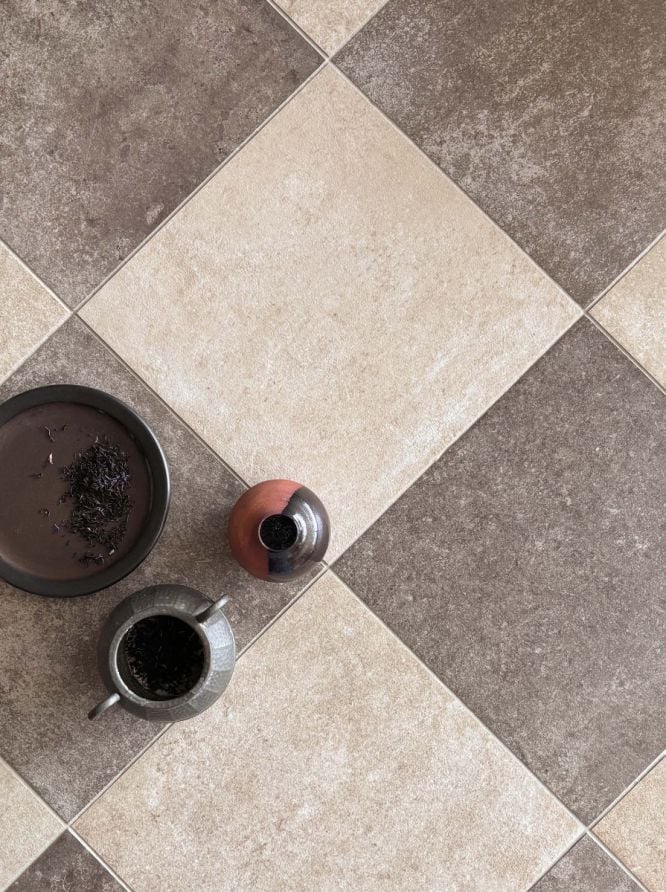
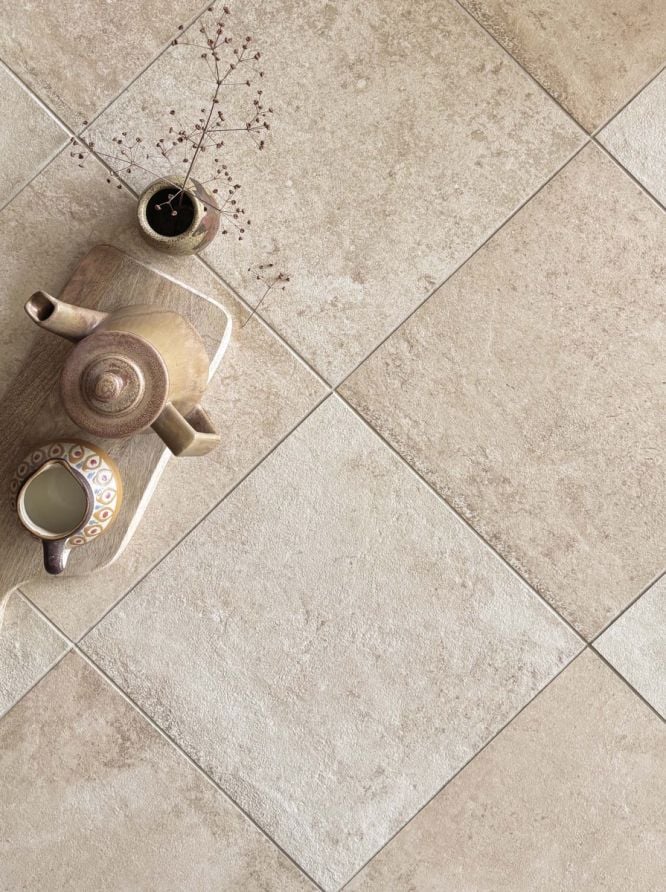
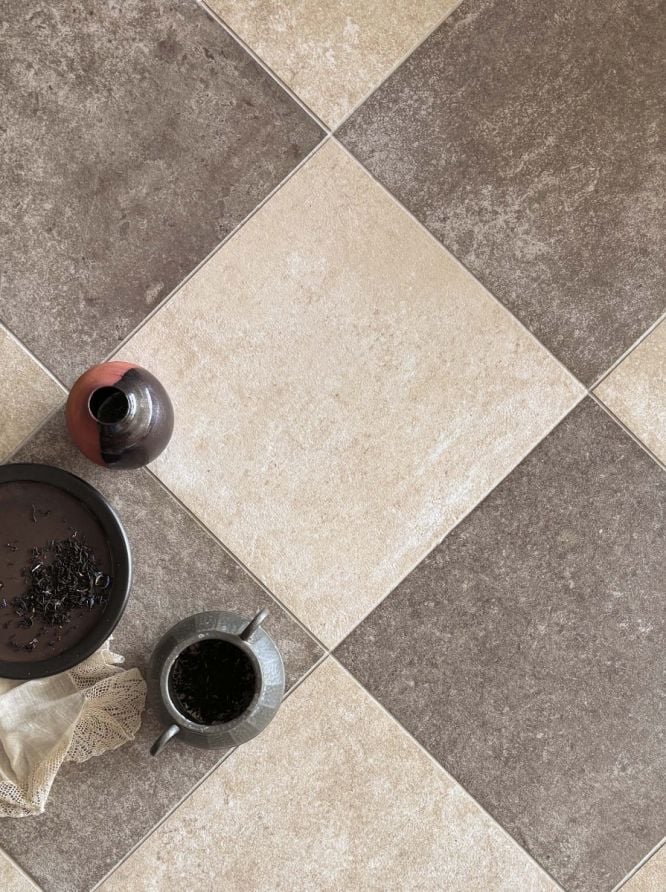
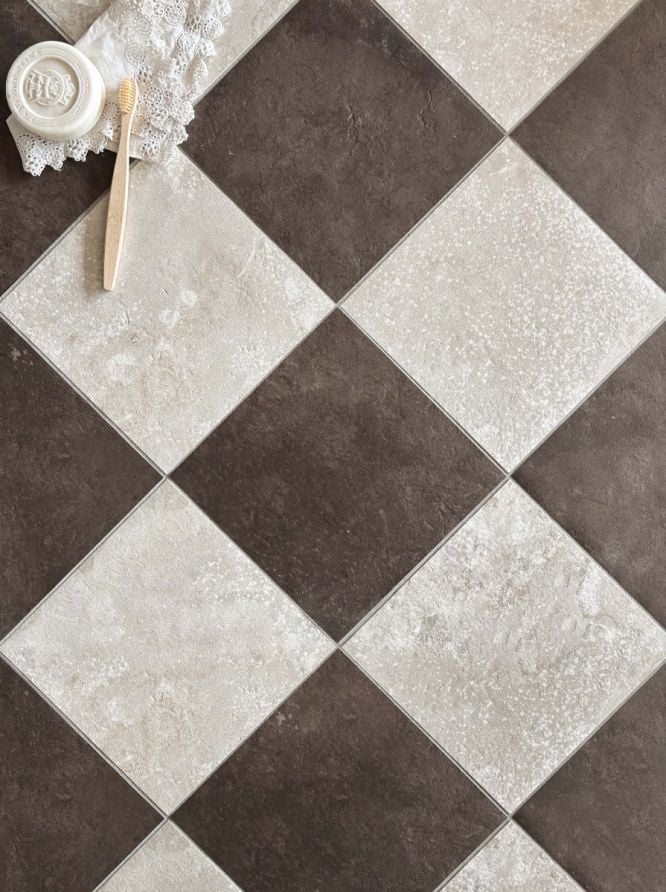
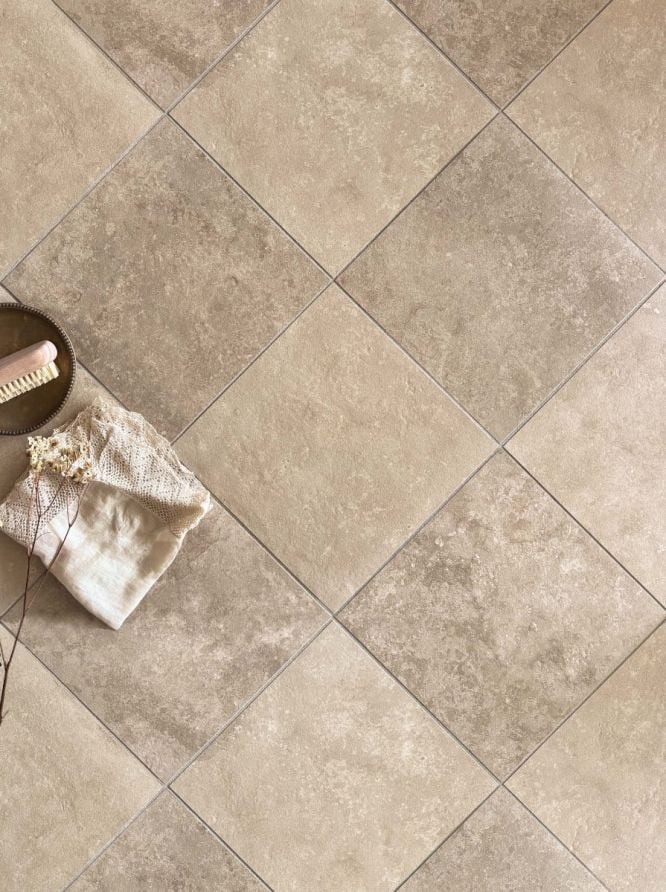
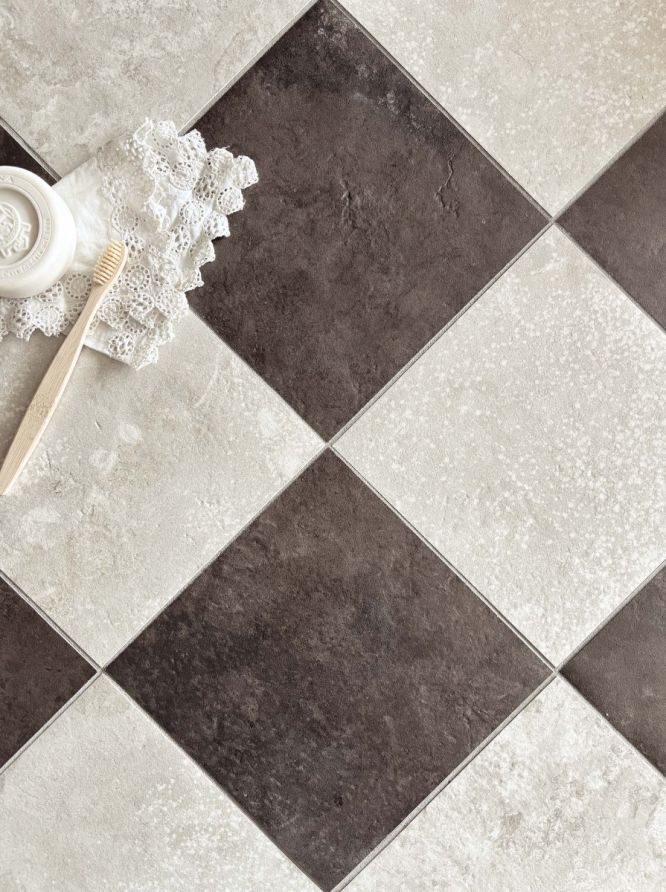
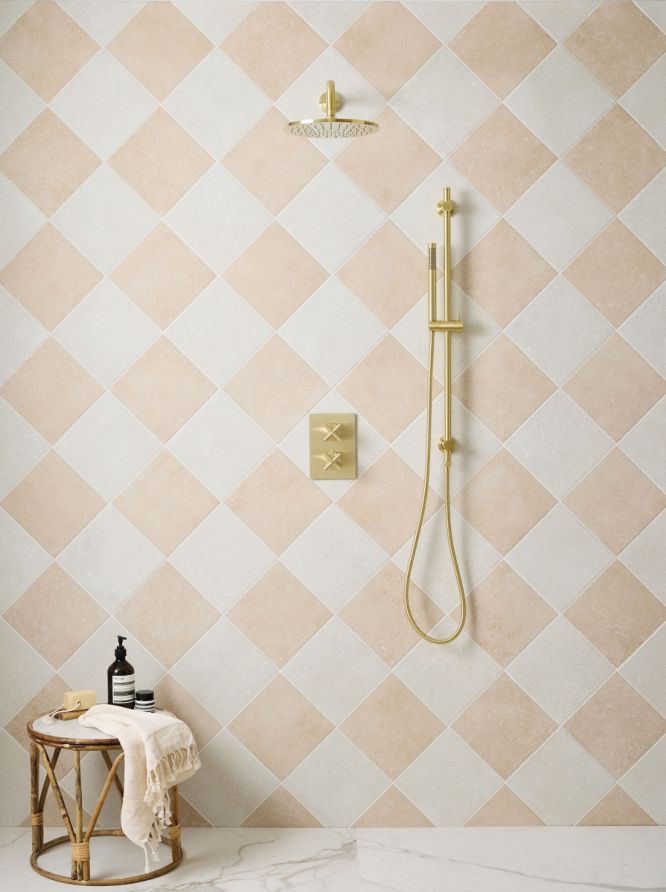
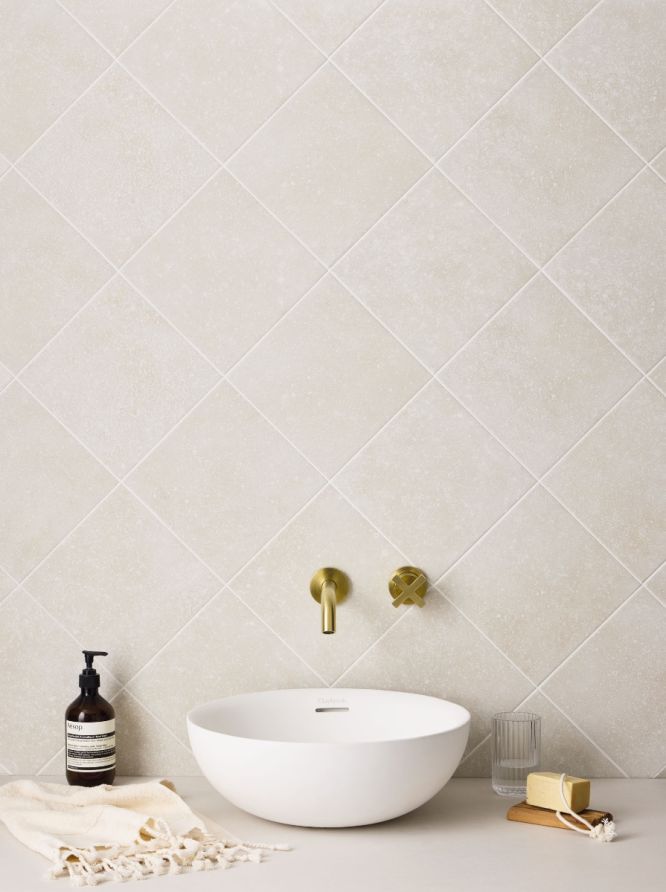
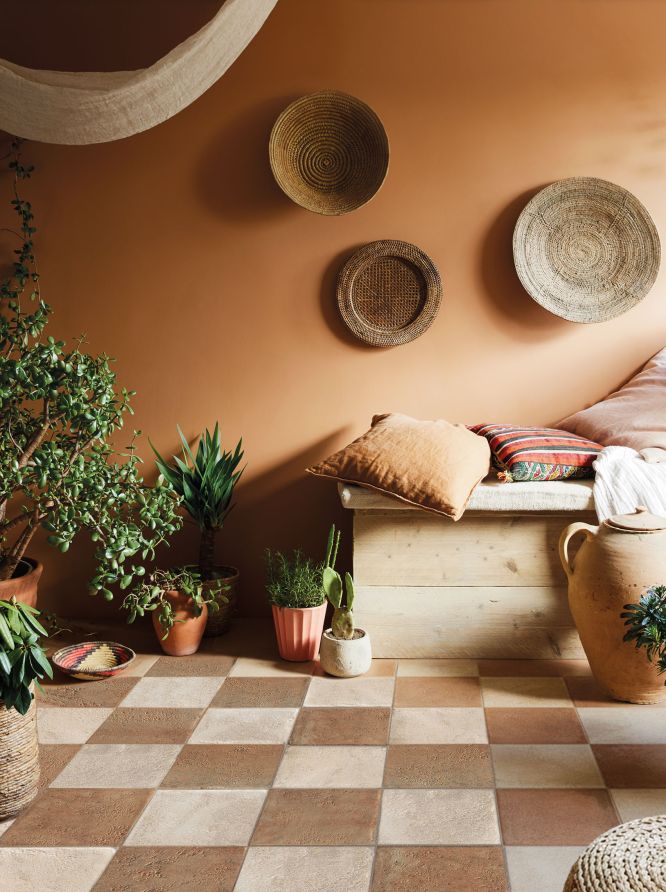
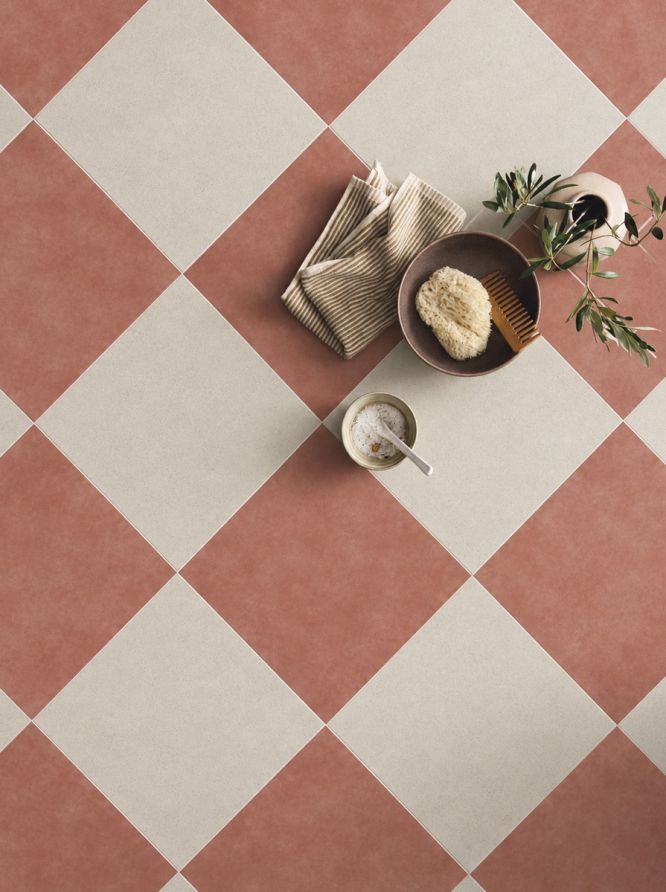
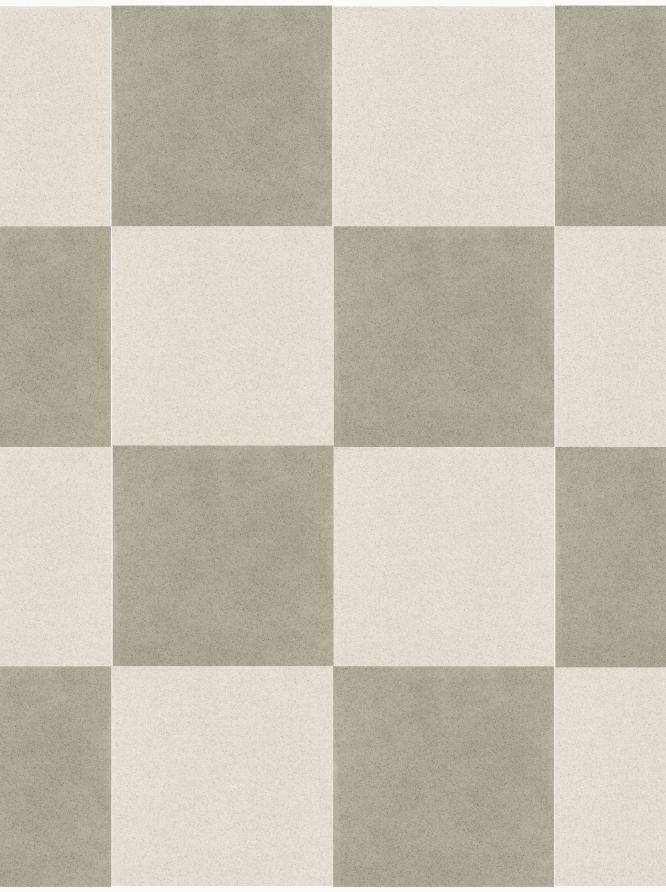
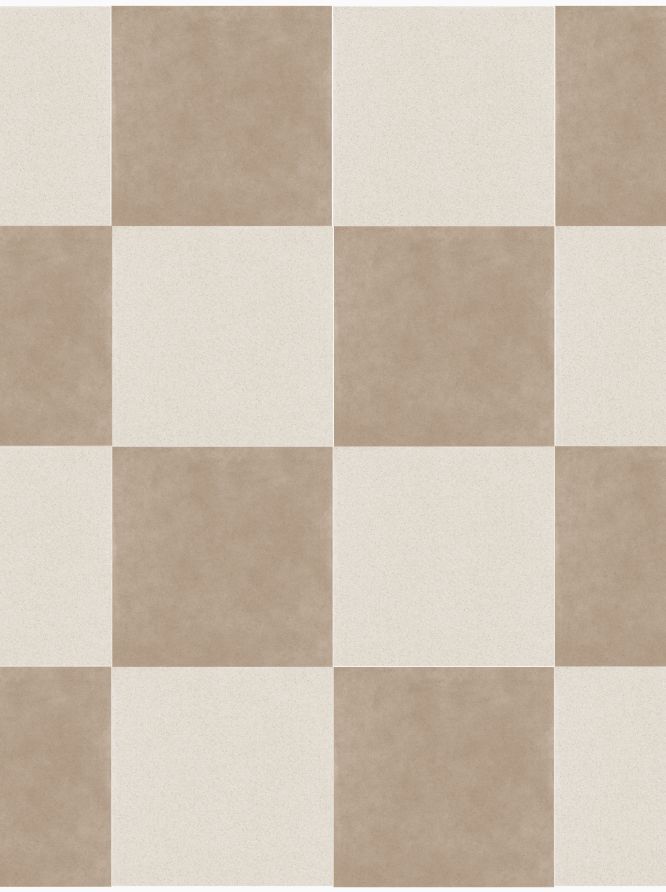
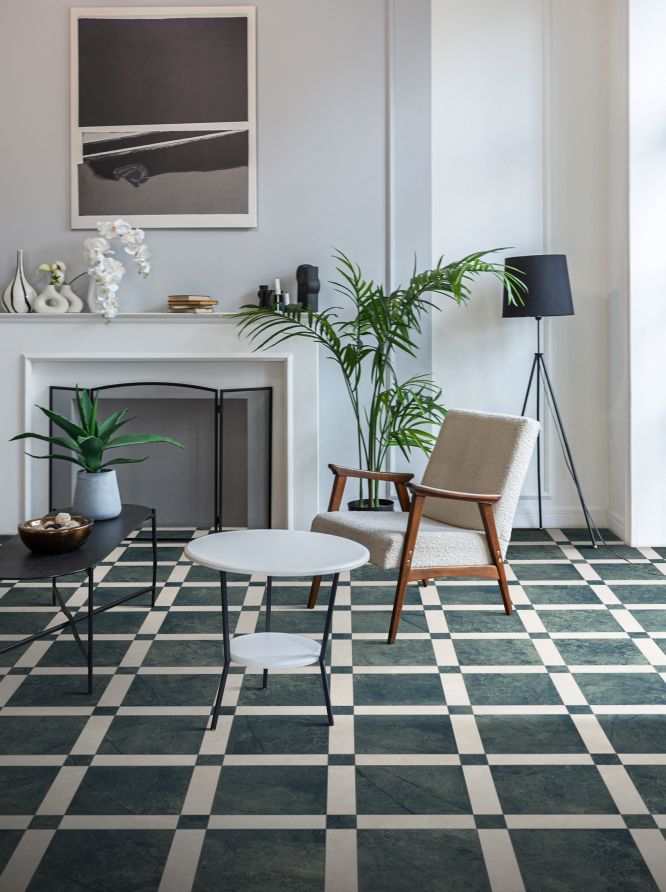
The chequerboard tile style (or checkerboard), featuring alternating squares in contrasting colours, blends timeless appeal with modern design trends. Its bold, graphic look fits the current demand for statement interiors, while its vintage roots resonate with the ongoing revival of retro and mid-century aesthetics. Versatile and eye-catching, it complements minimalist, maximalist and eclectic styles alike for both wall or floor, and looks great in hallways, kitchens and bathrooms laid diagonally or in a grid. Checkerboard and Chequerboard; so great they named it twice.















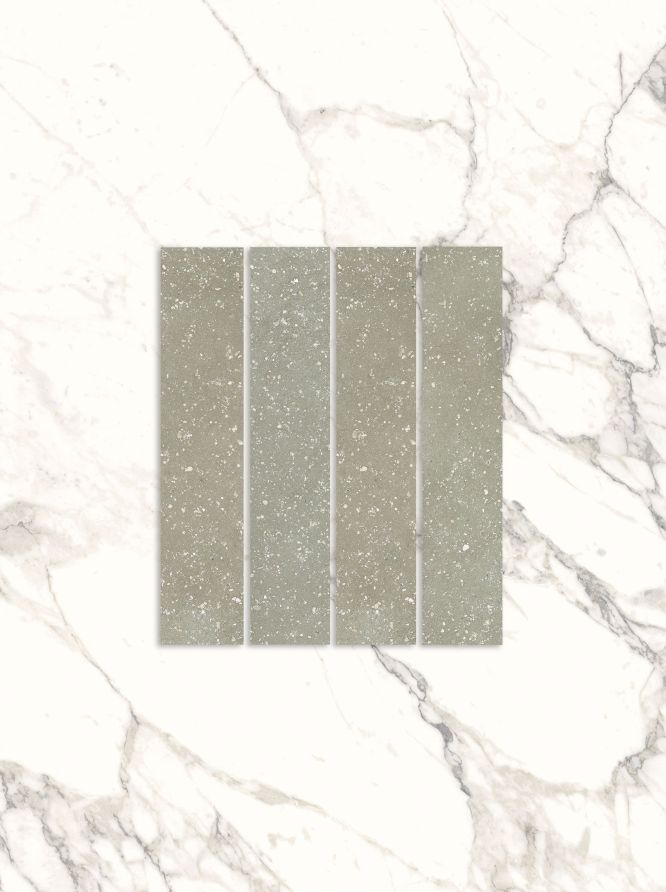
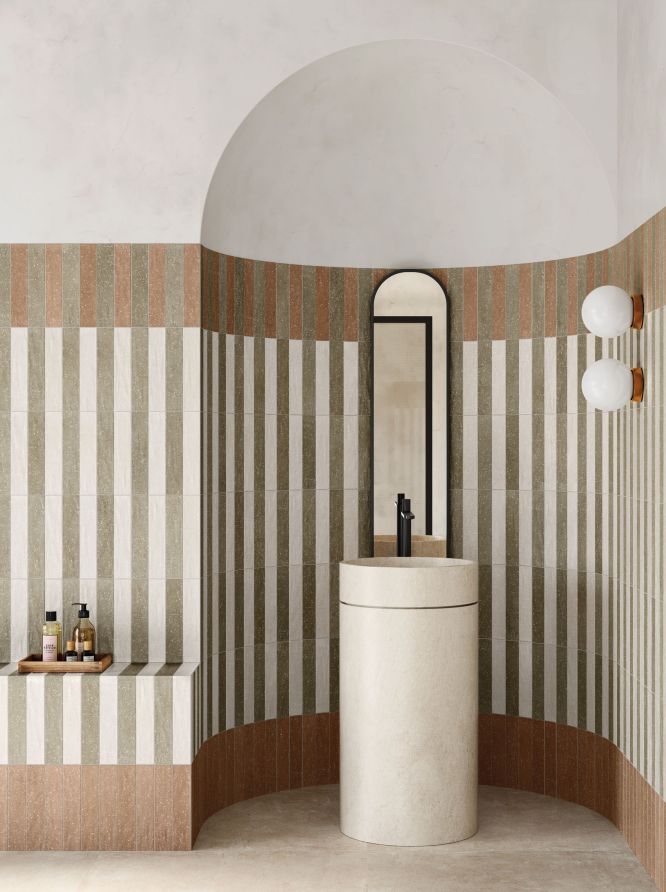

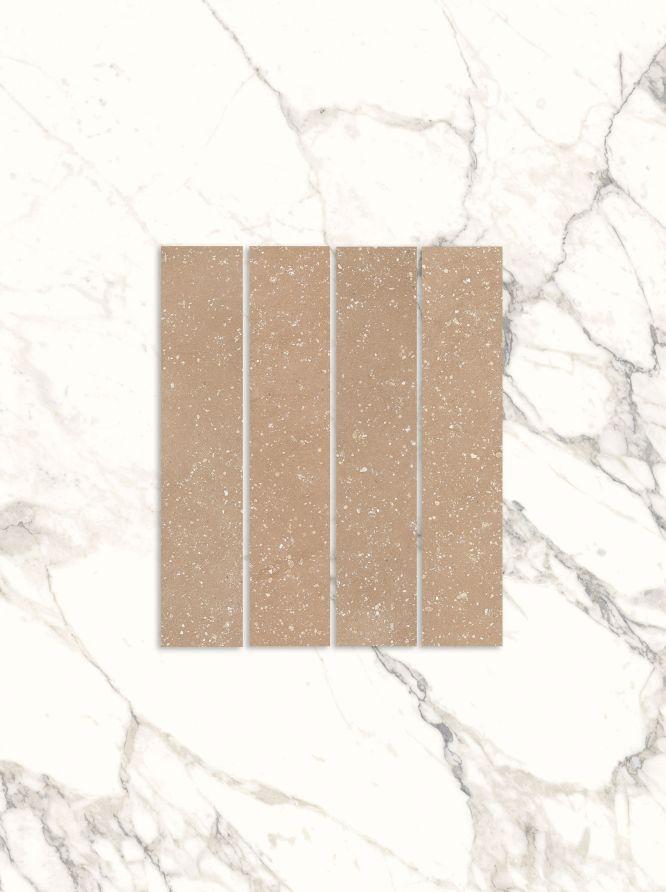
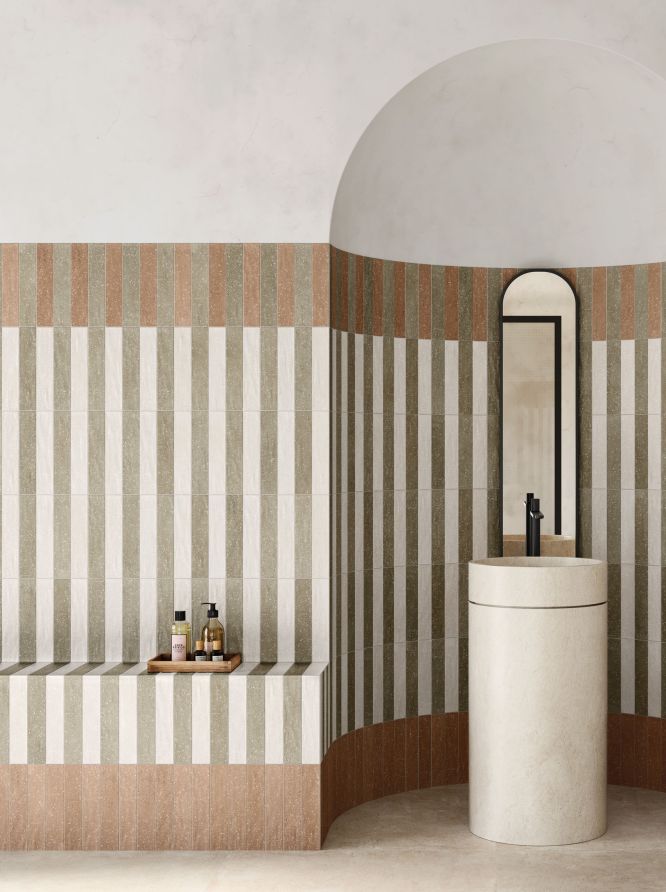

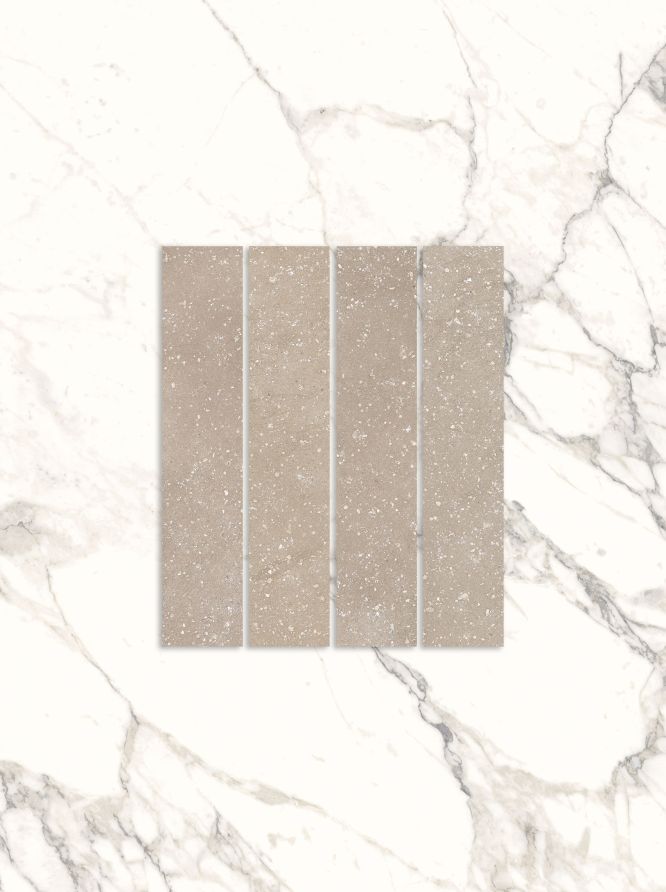
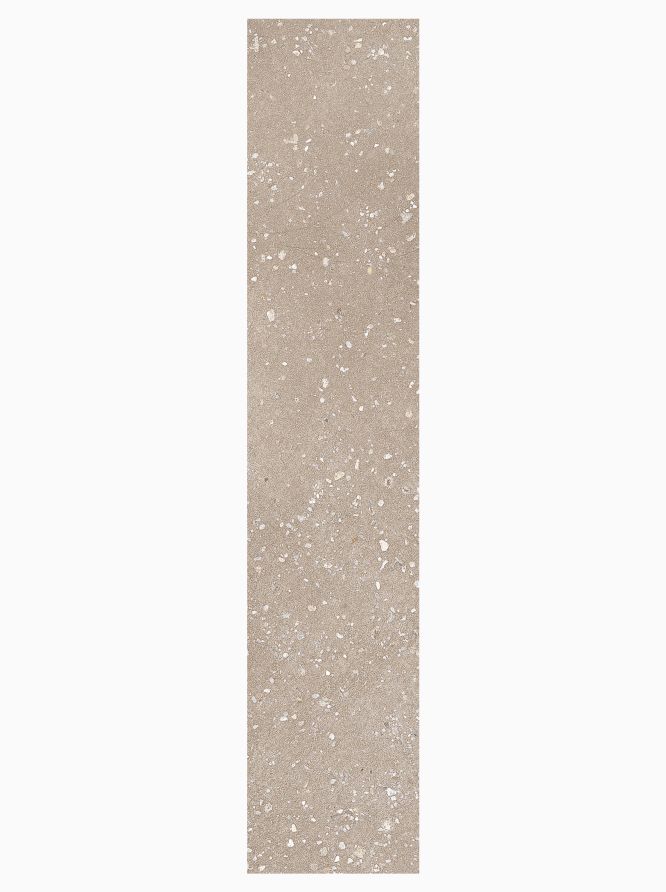

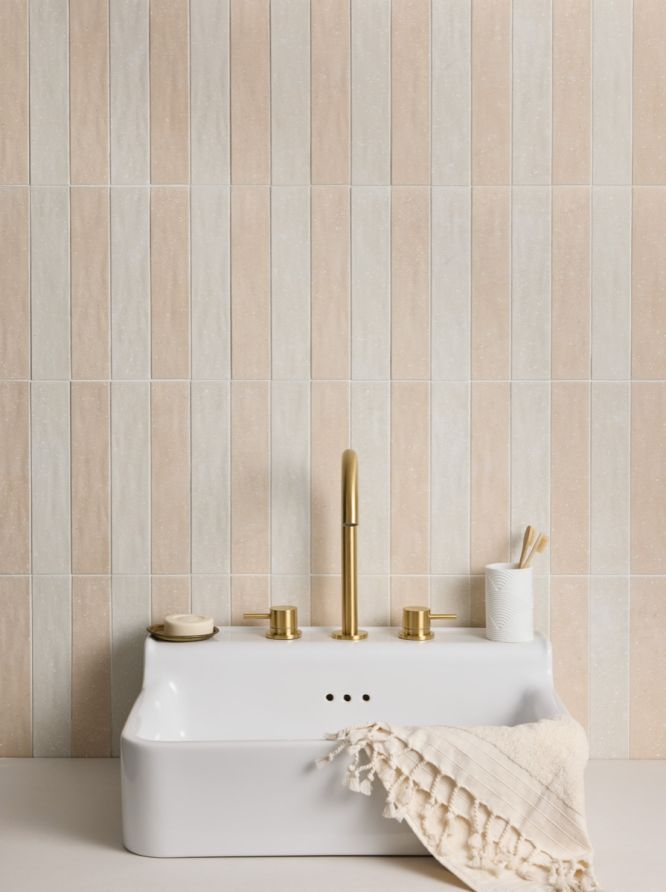
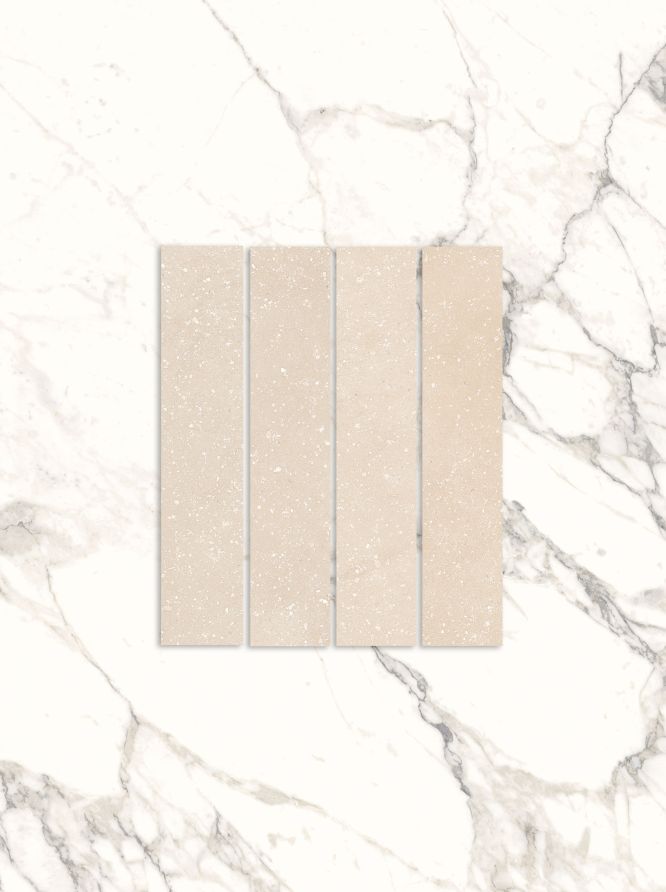













Choosing Chequerboard Tiles
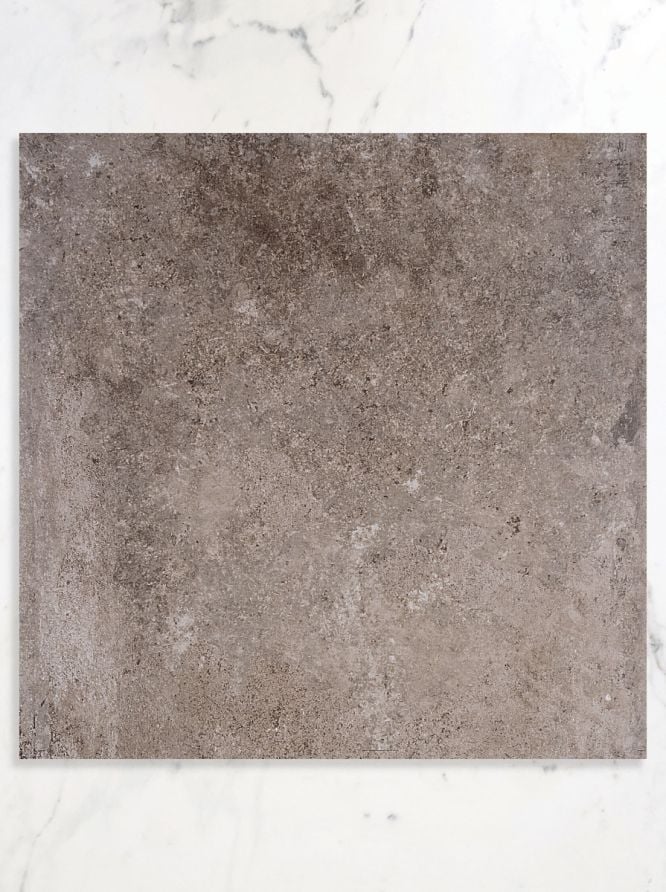
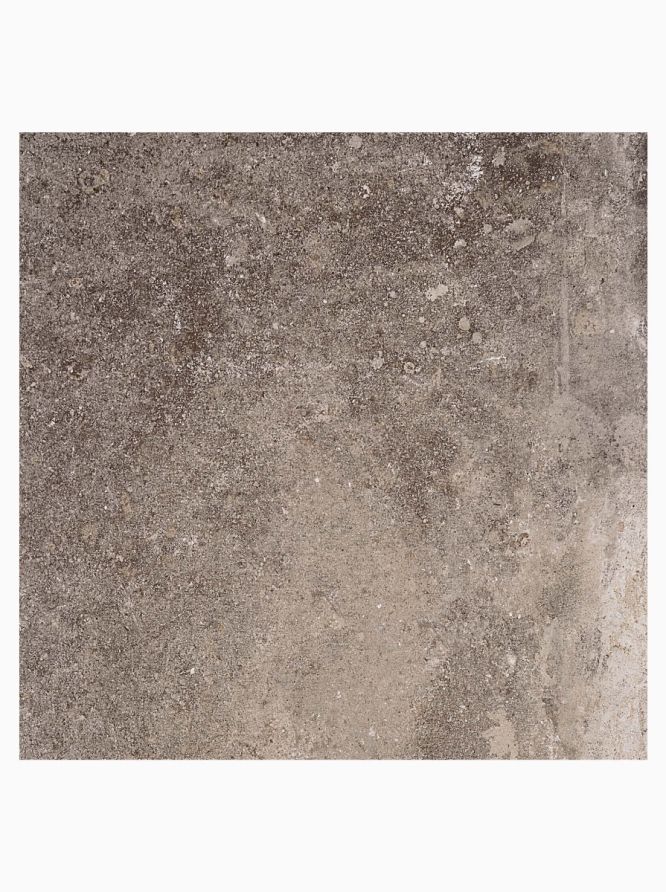
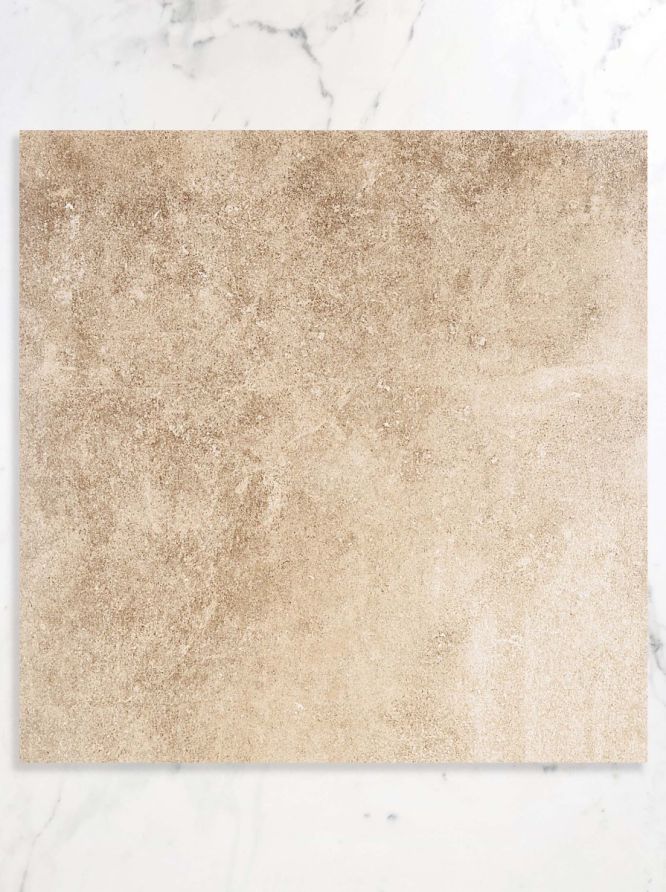
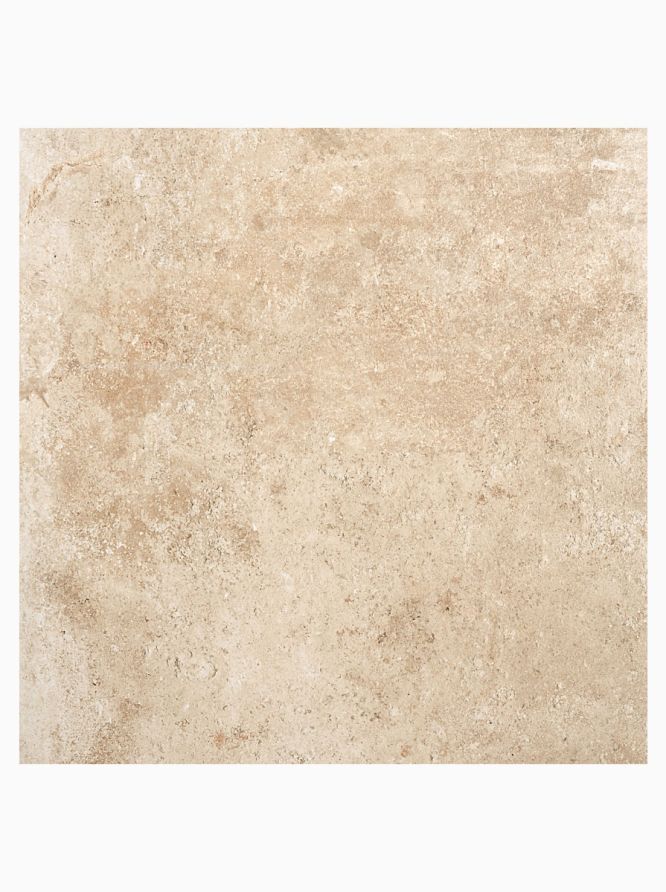
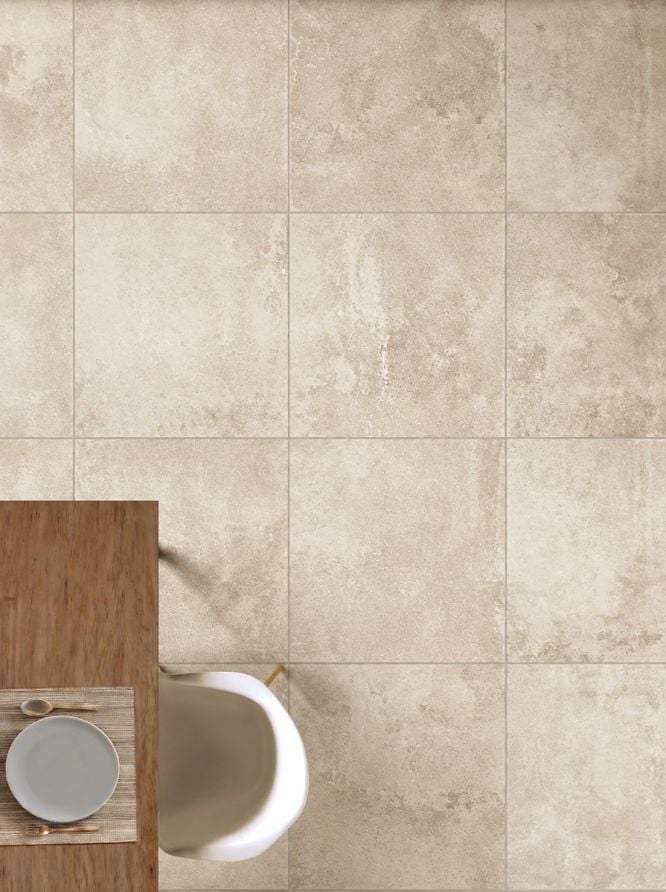
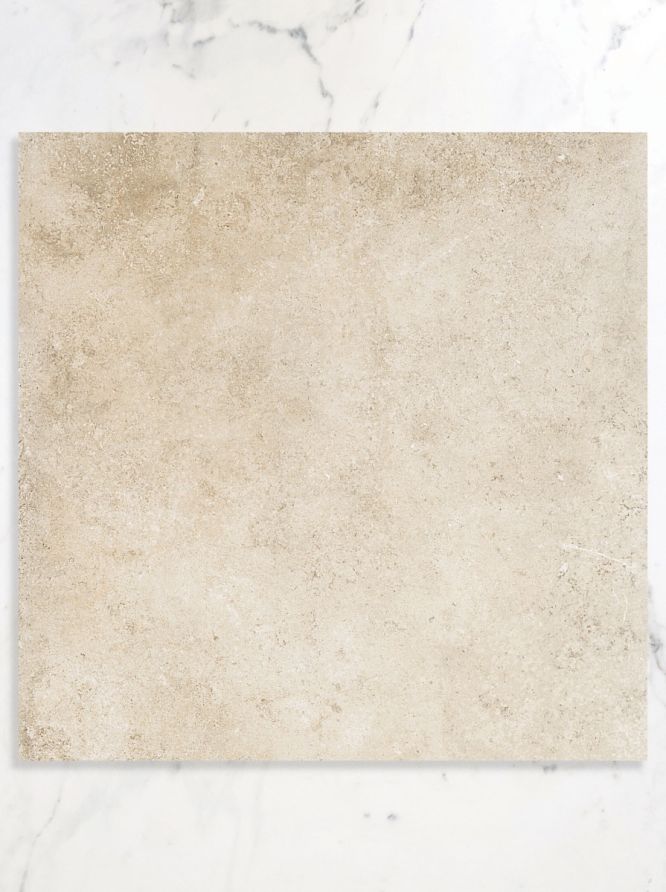
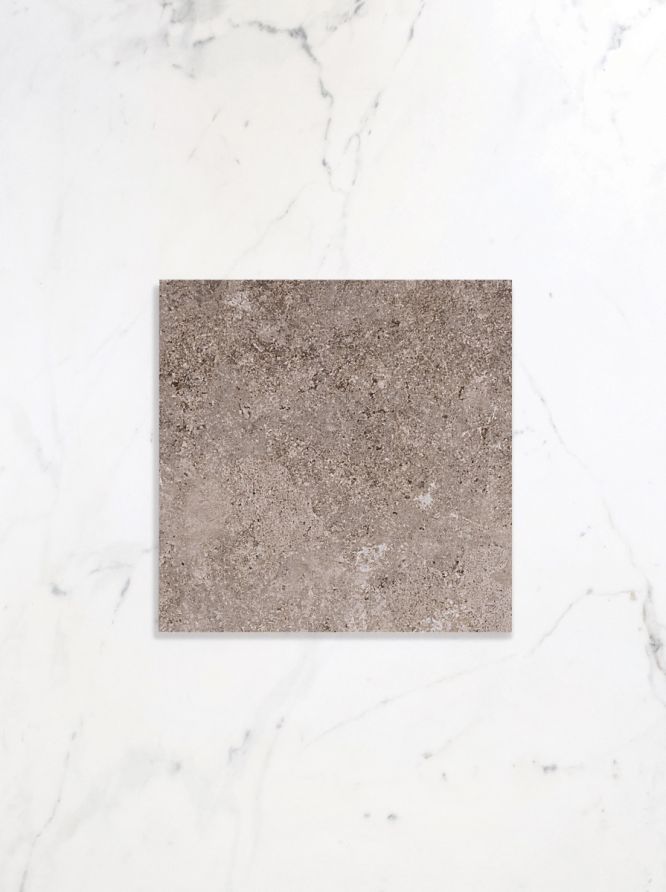
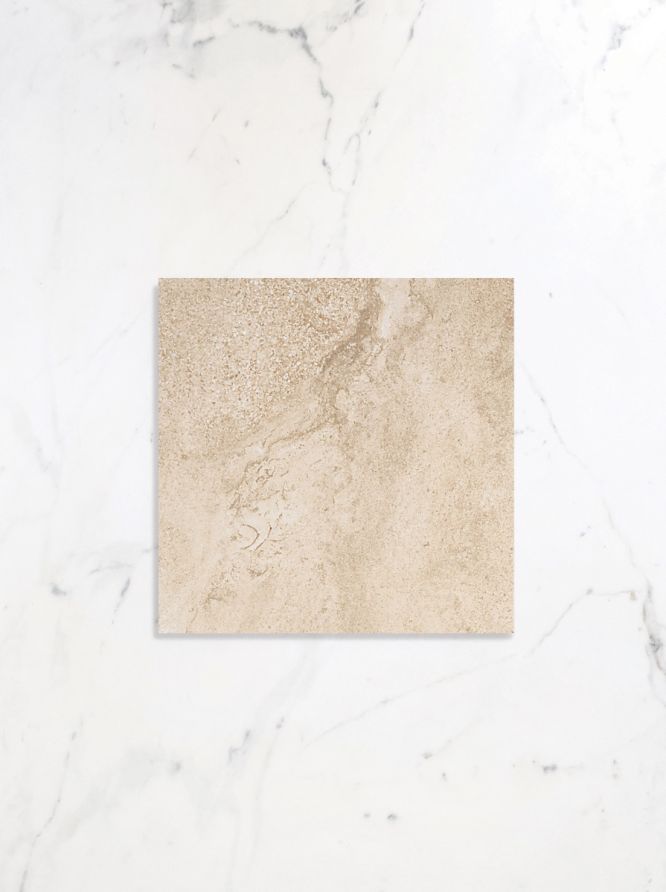
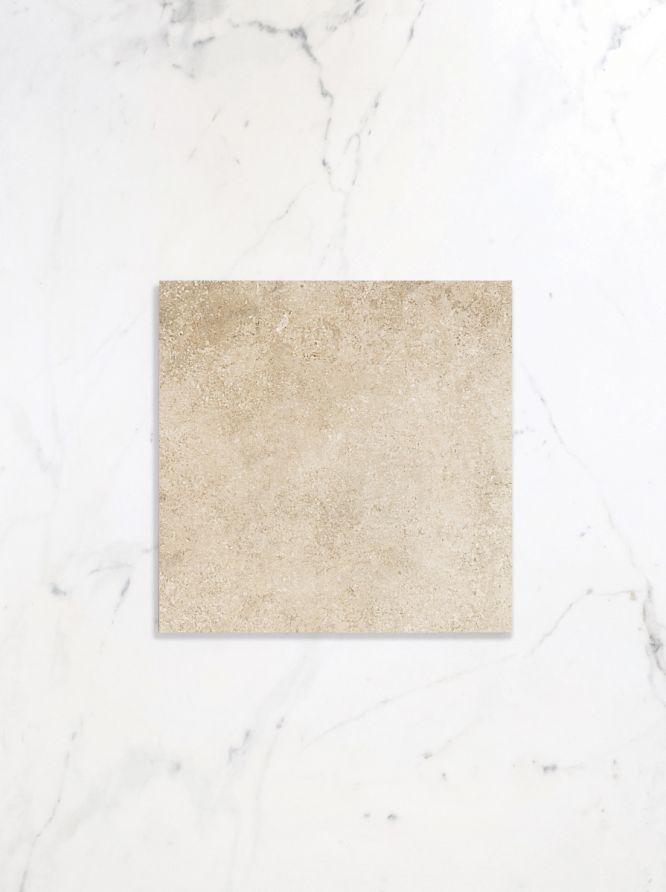
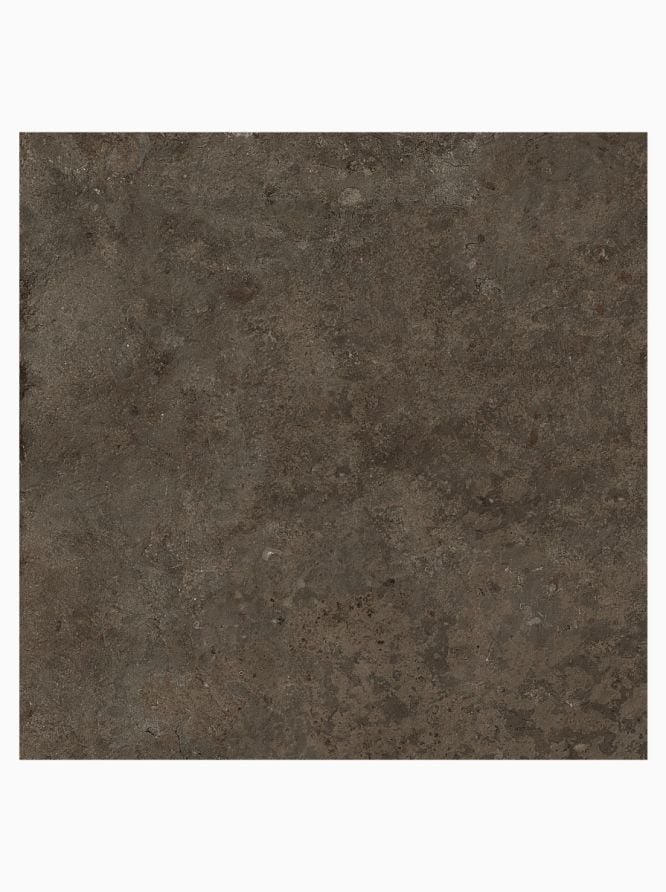
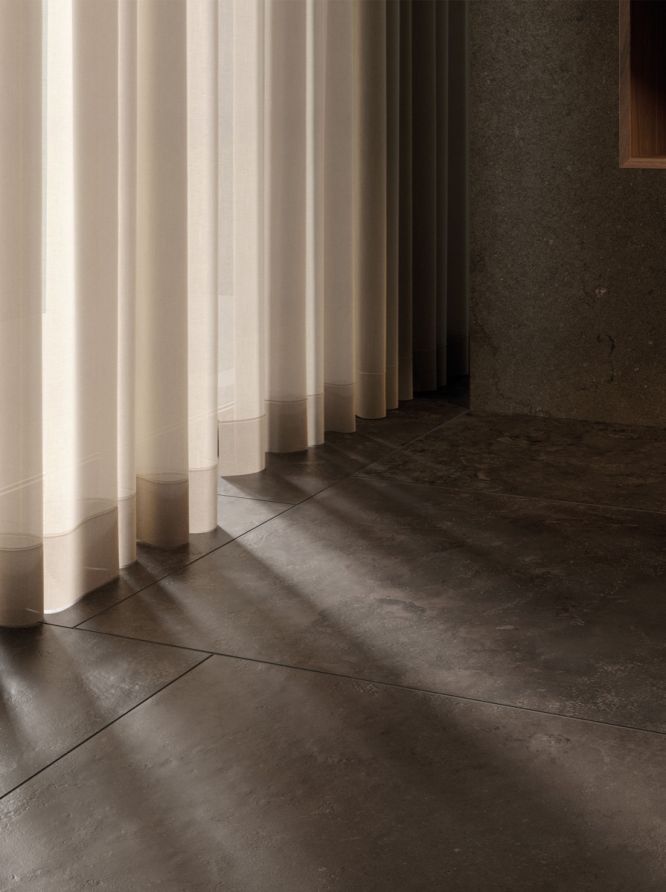
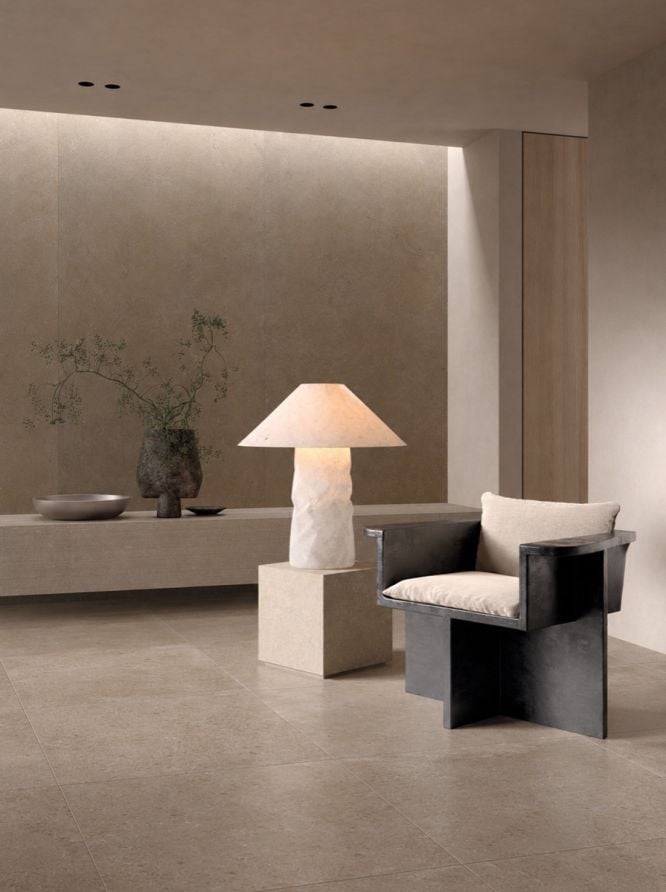
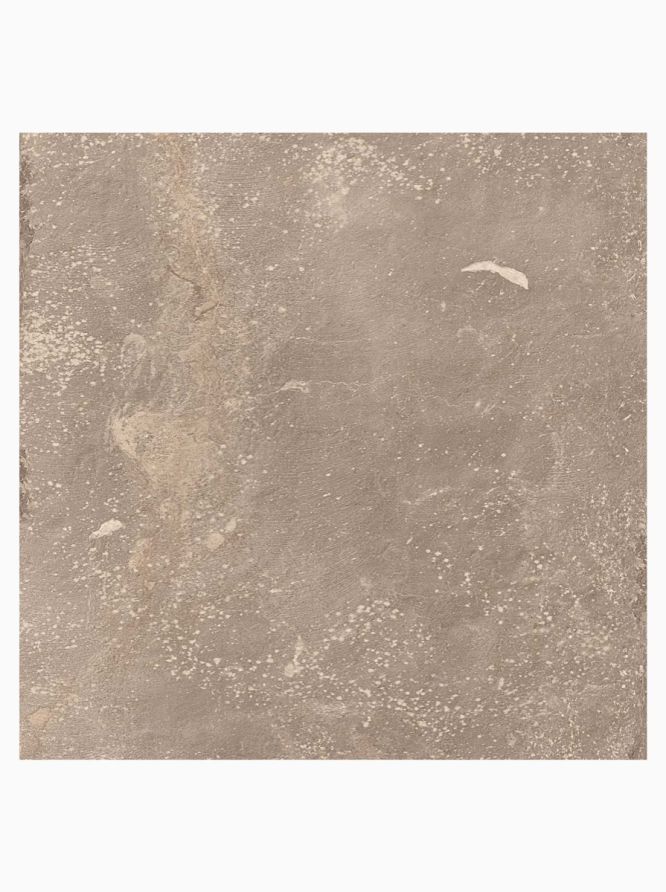
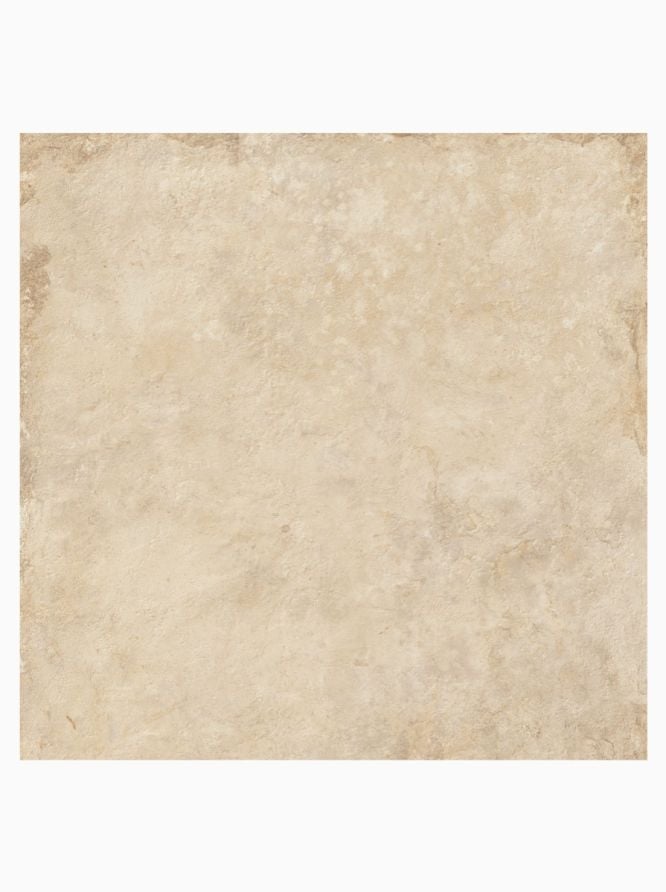
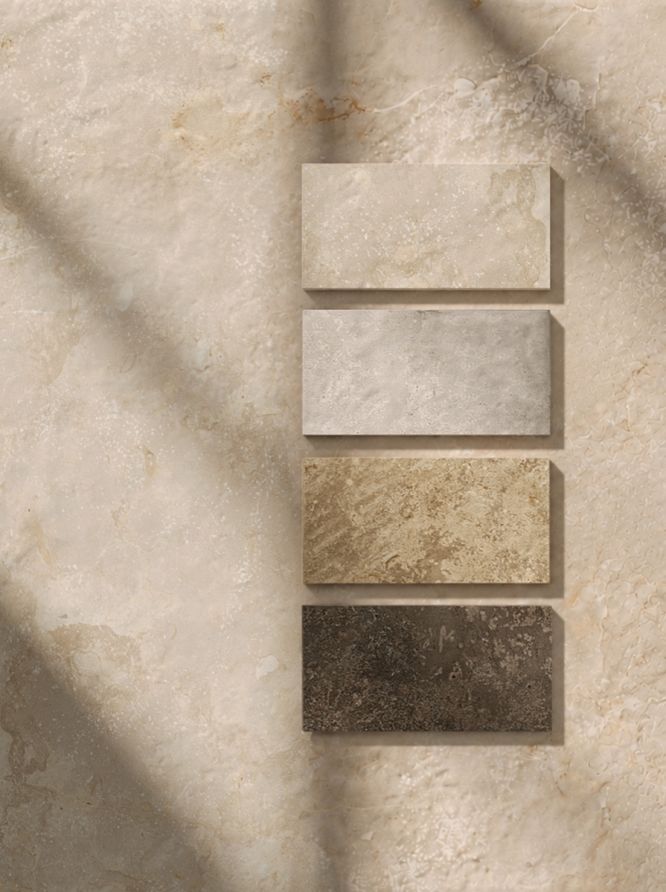
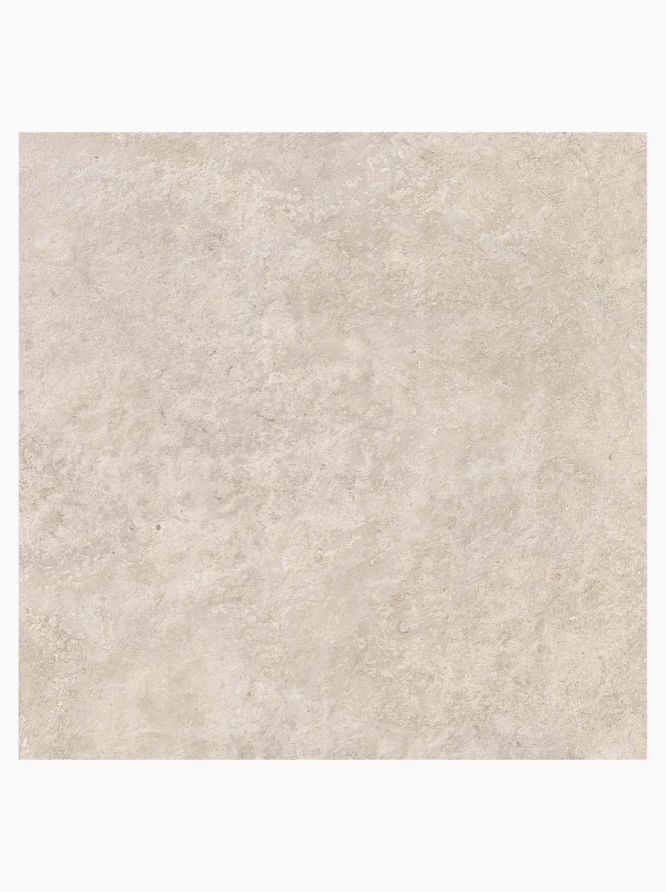
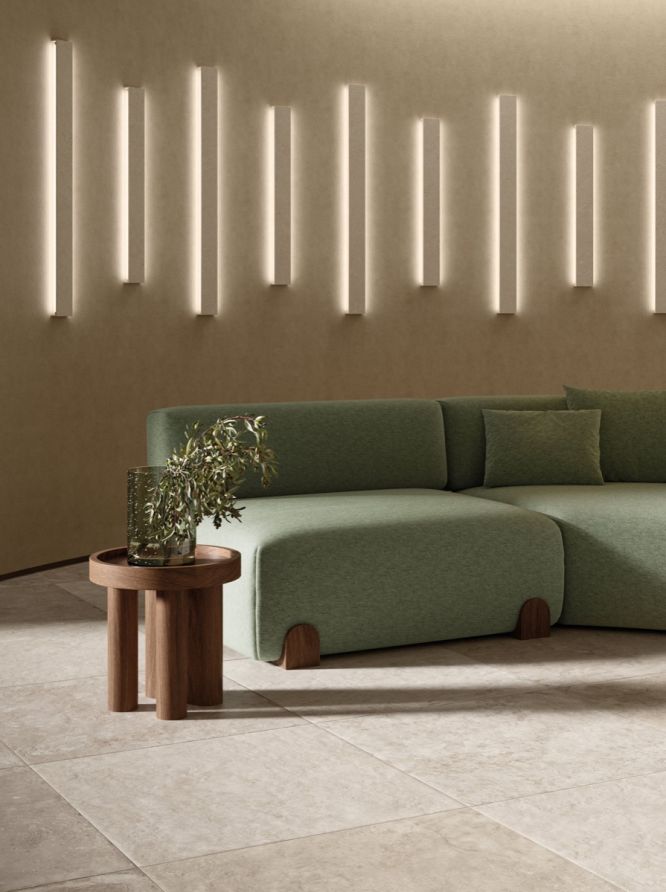
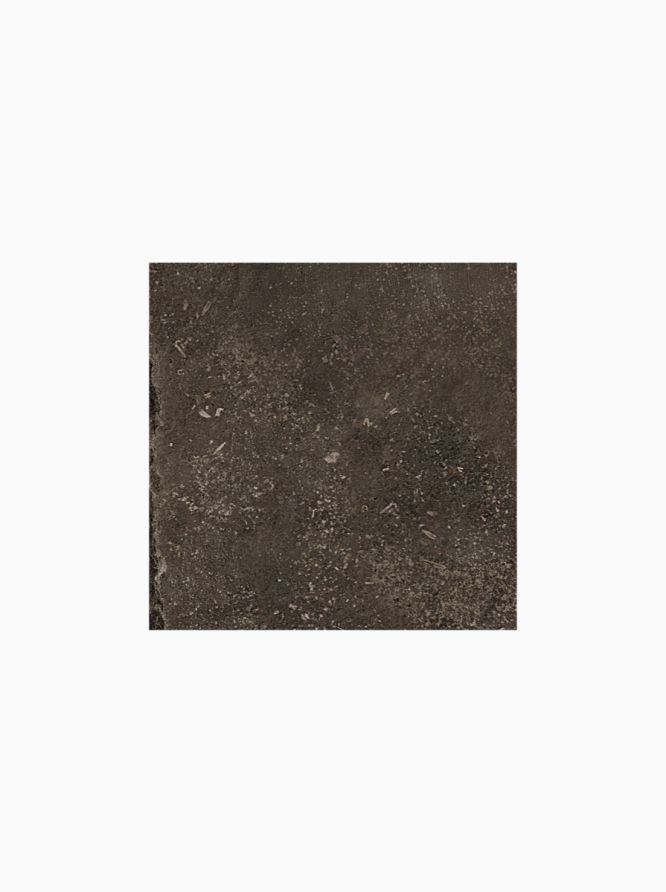
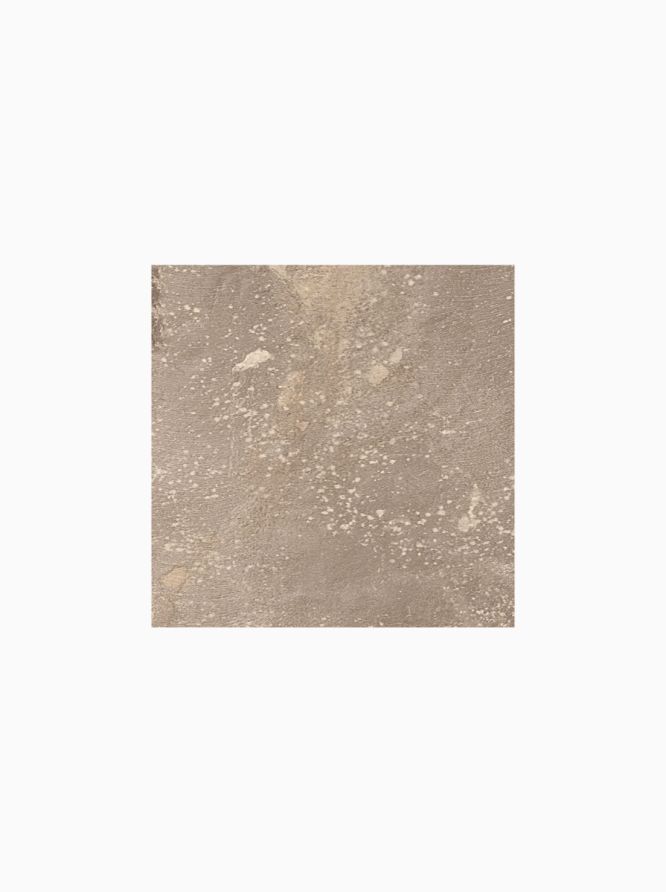
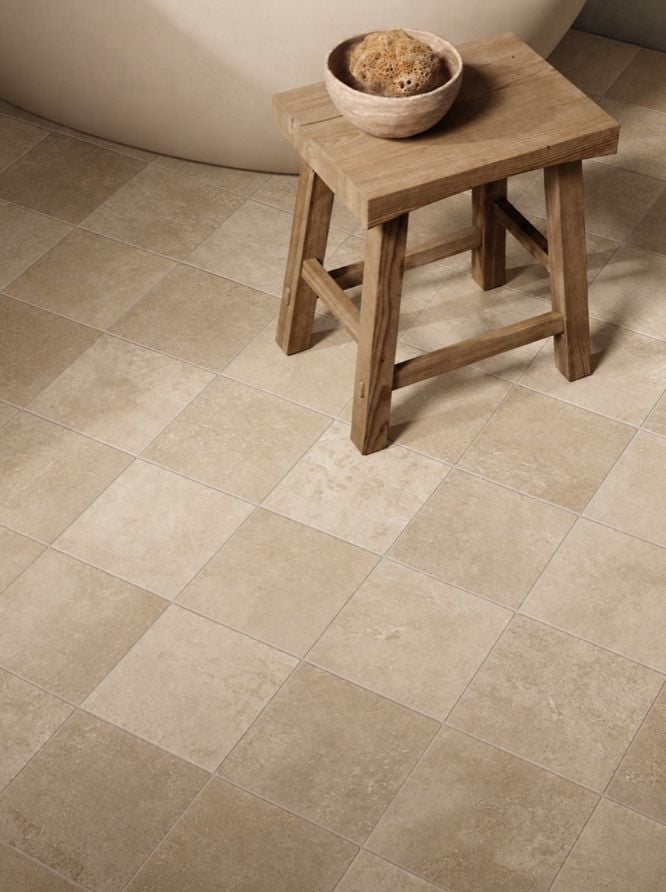
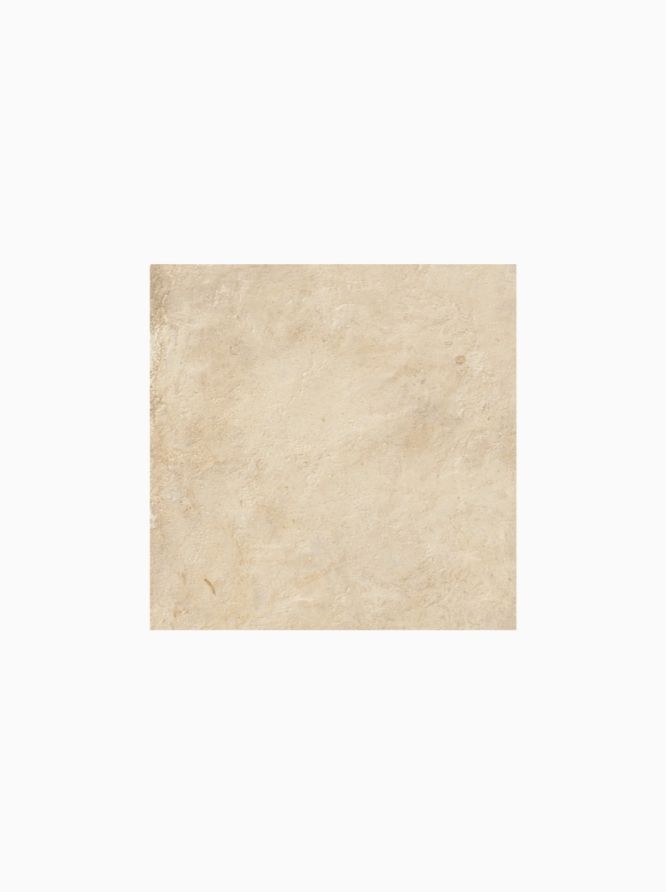
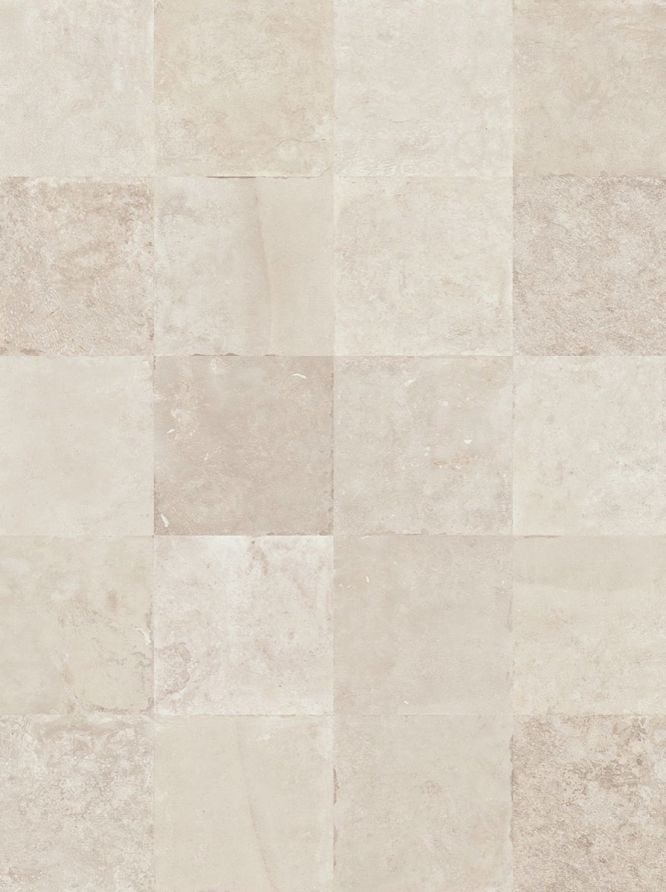
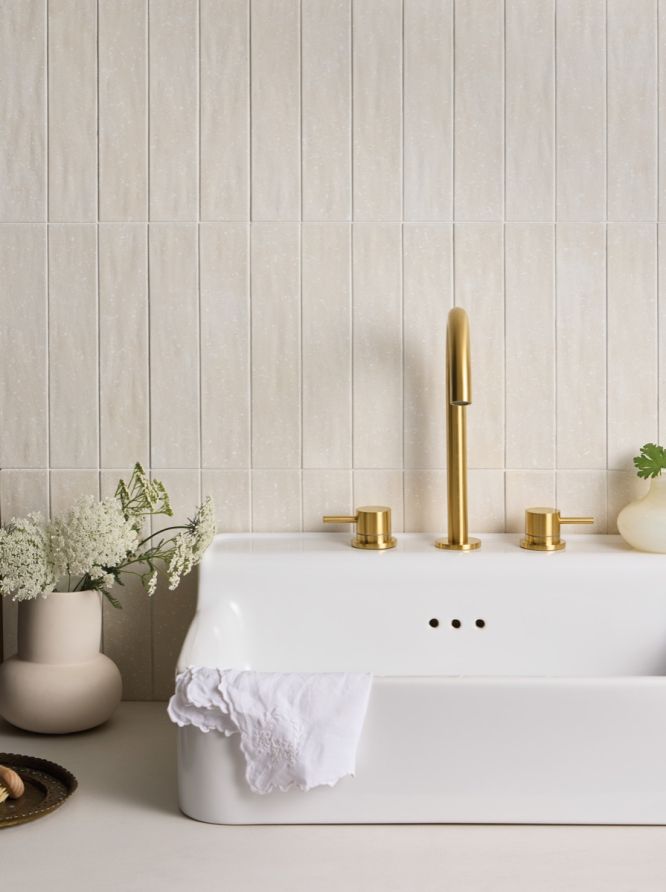
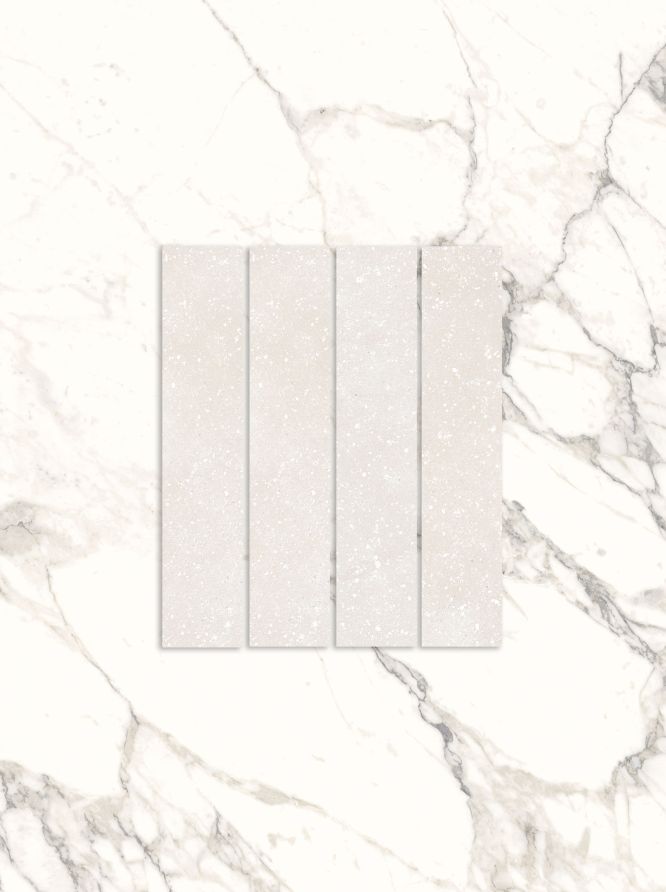
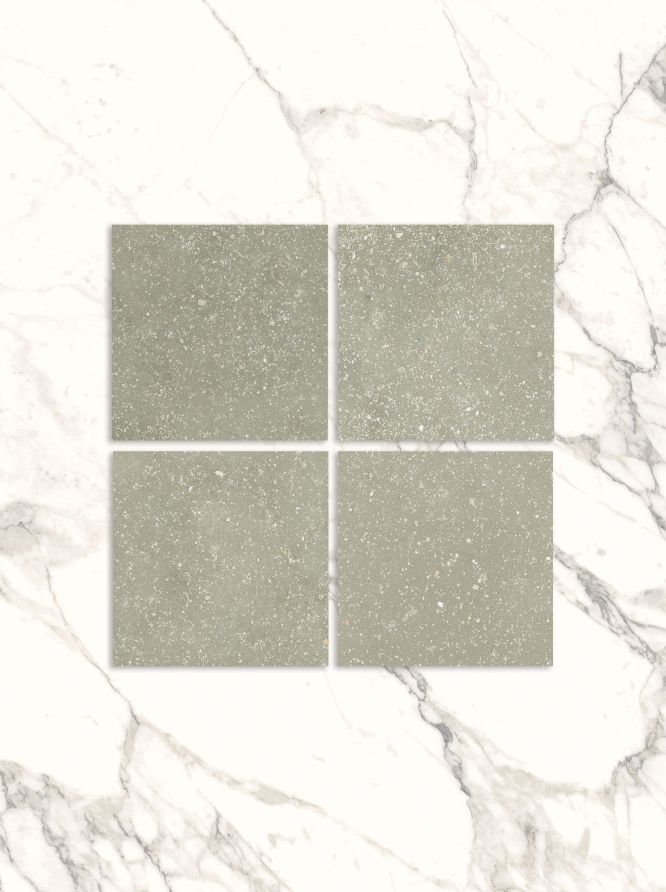
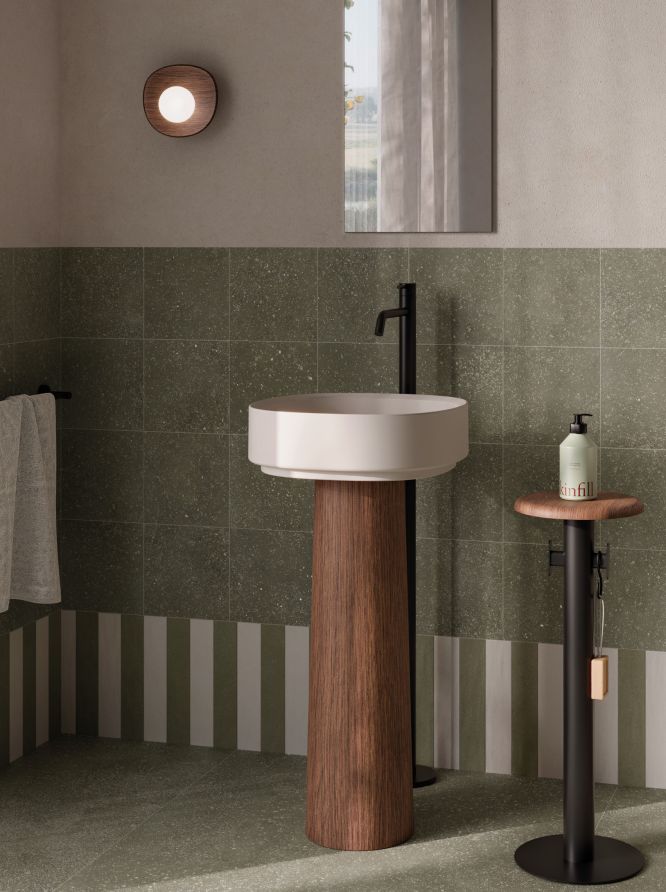
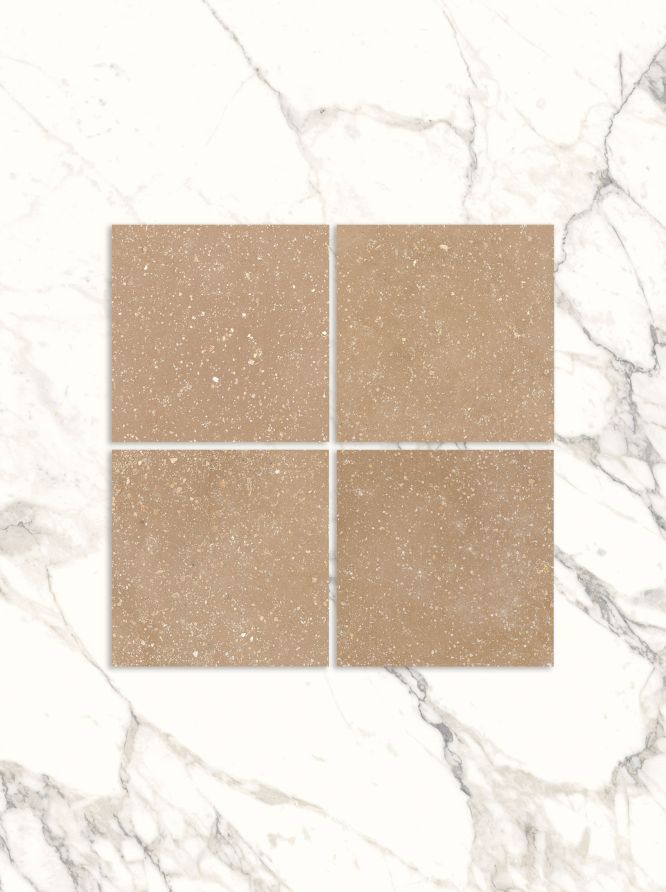
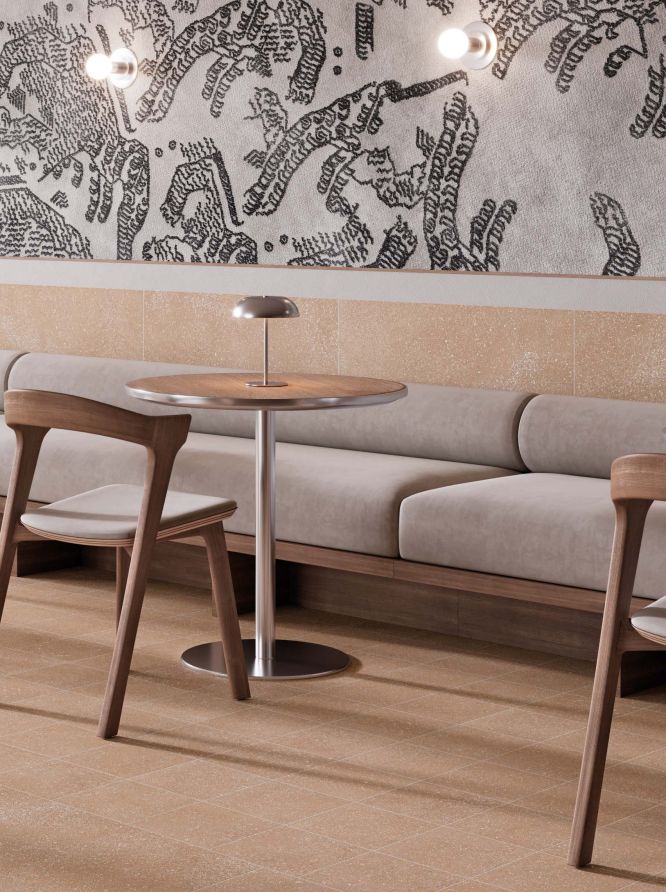
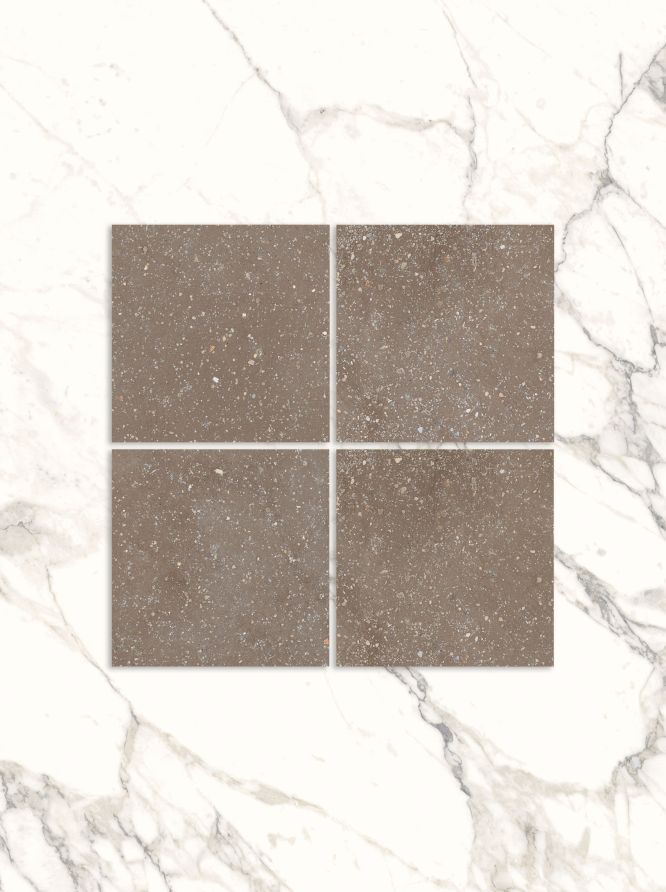
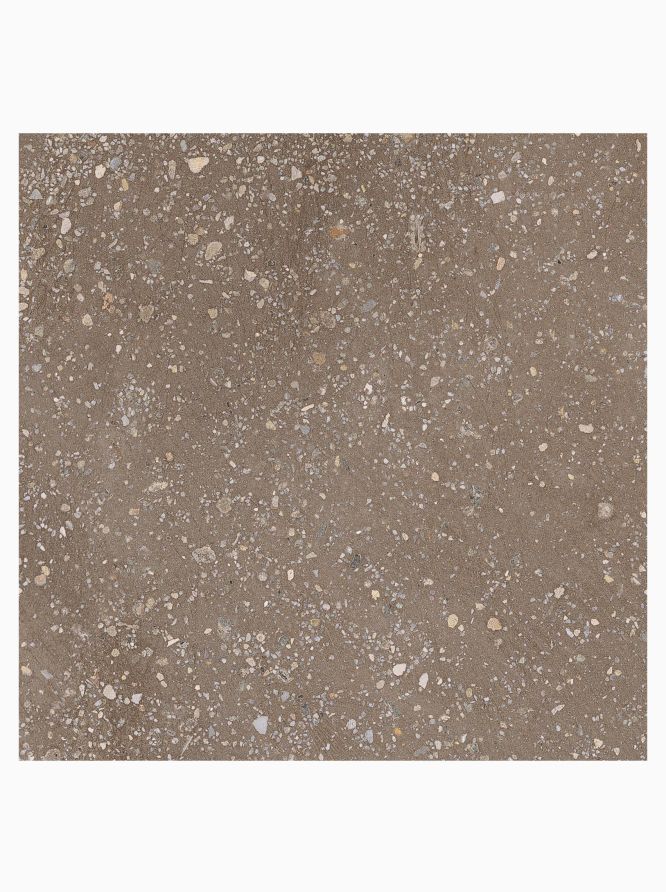
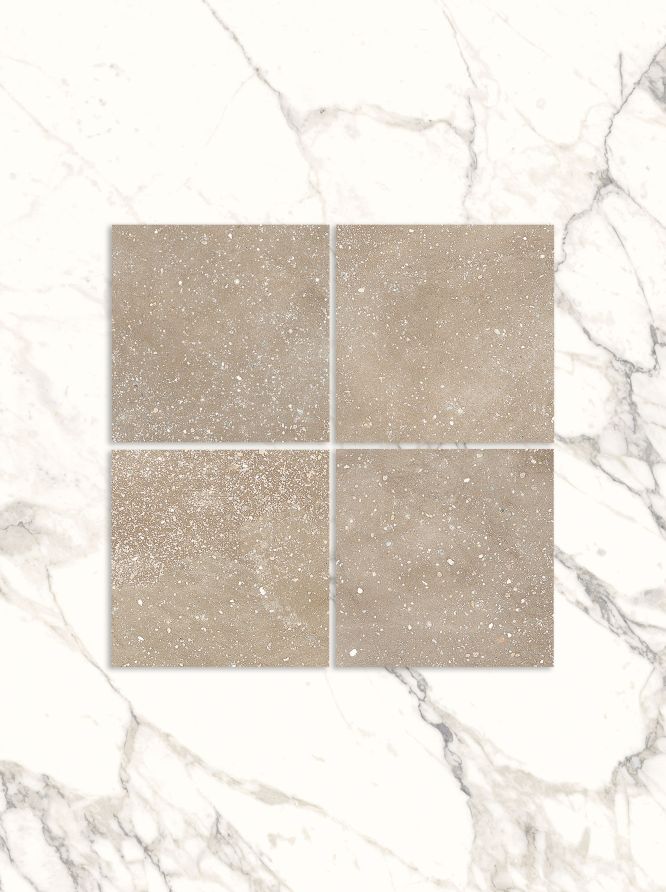
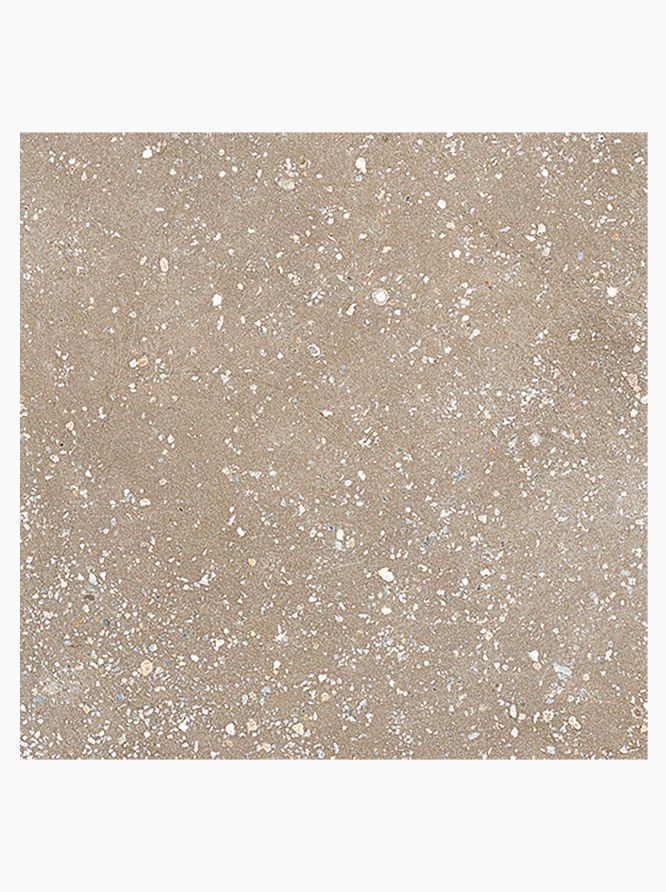
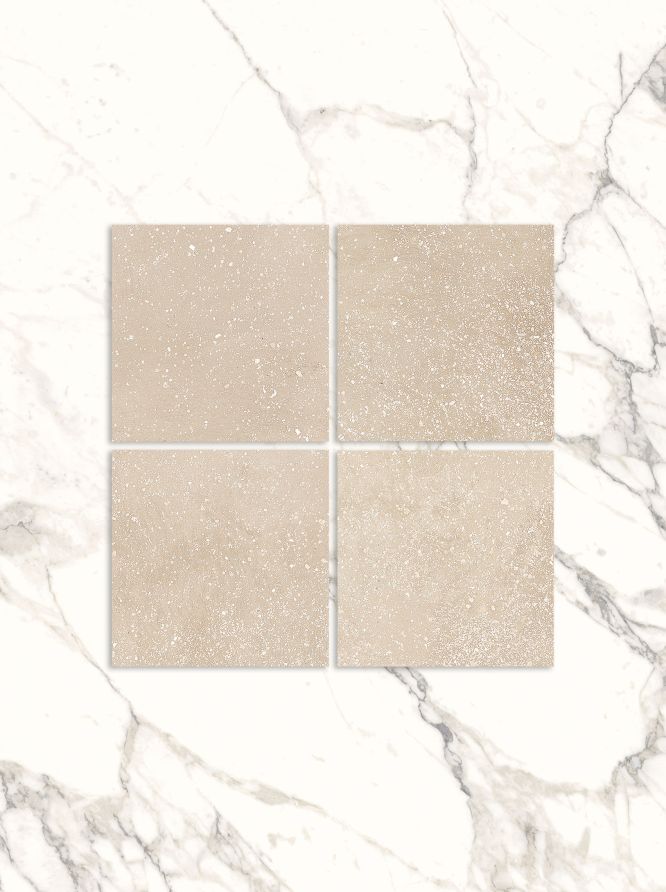
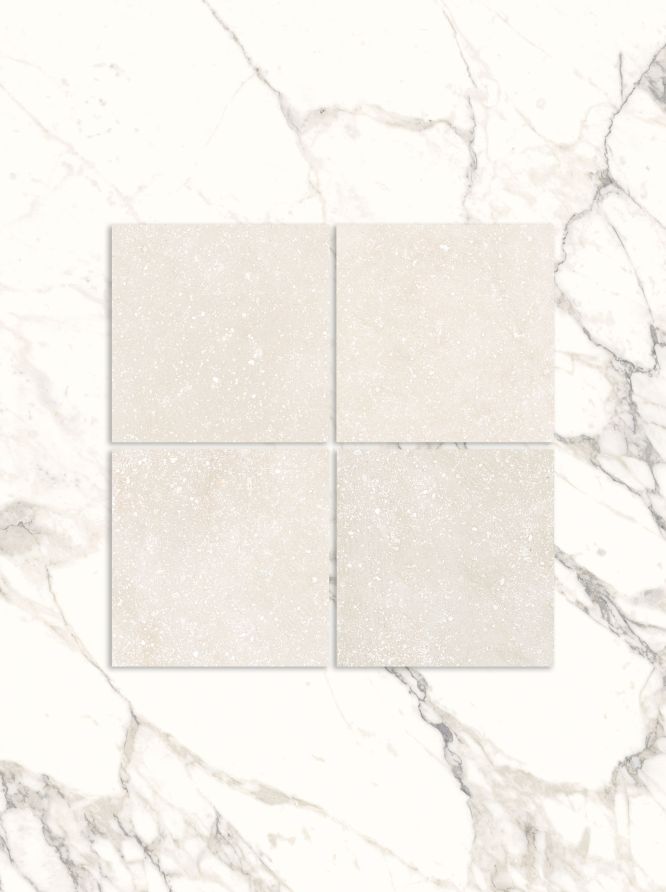
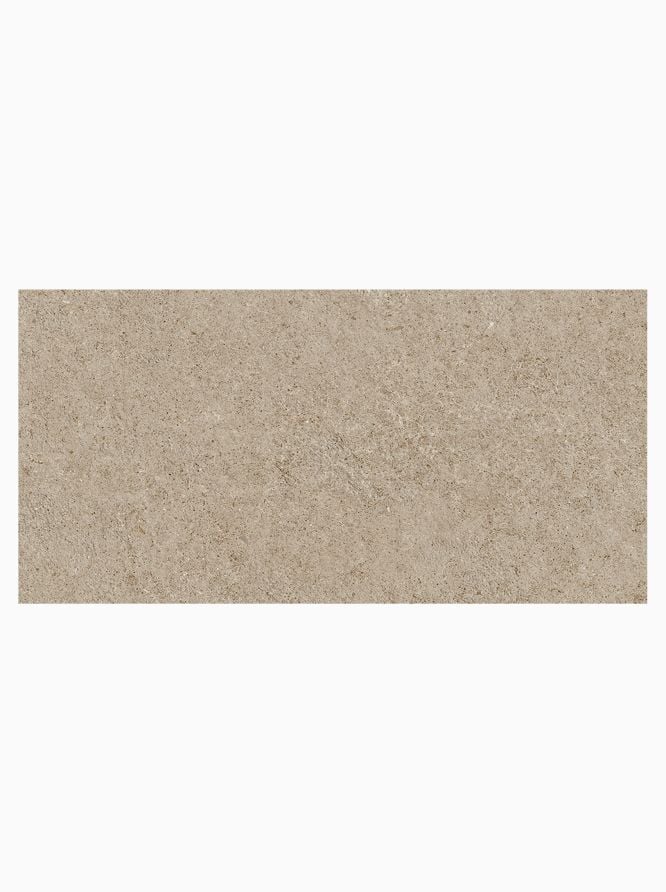
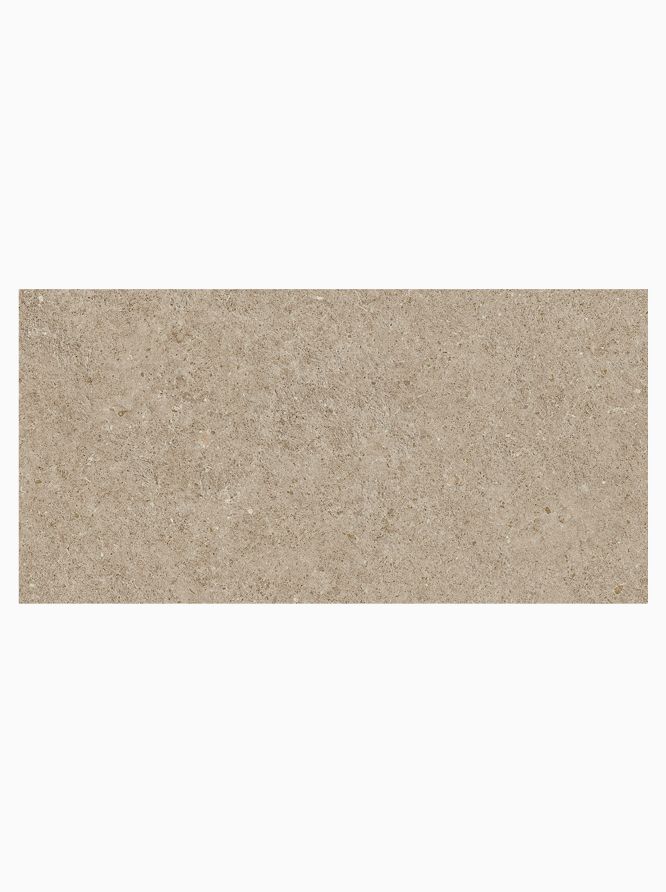
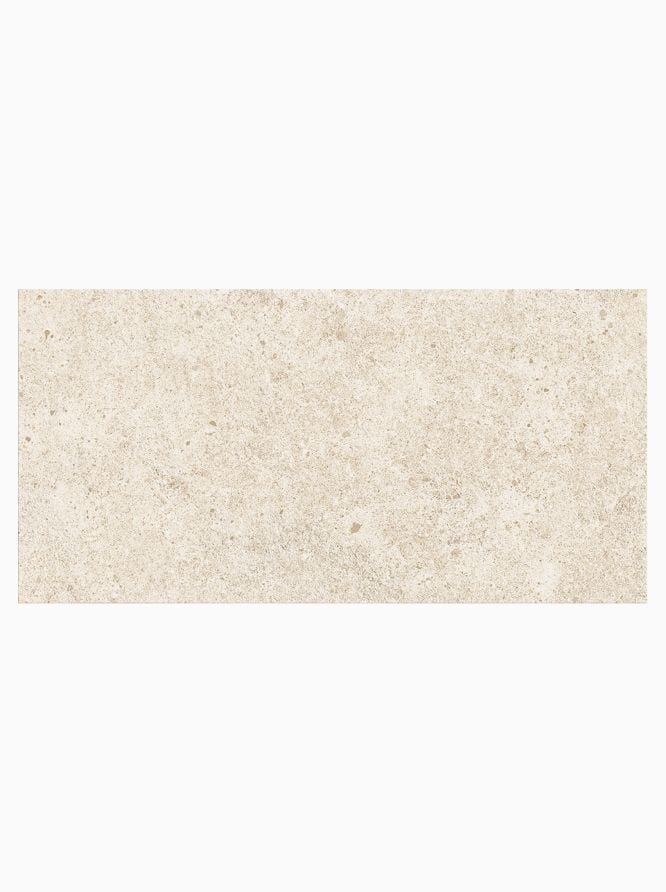
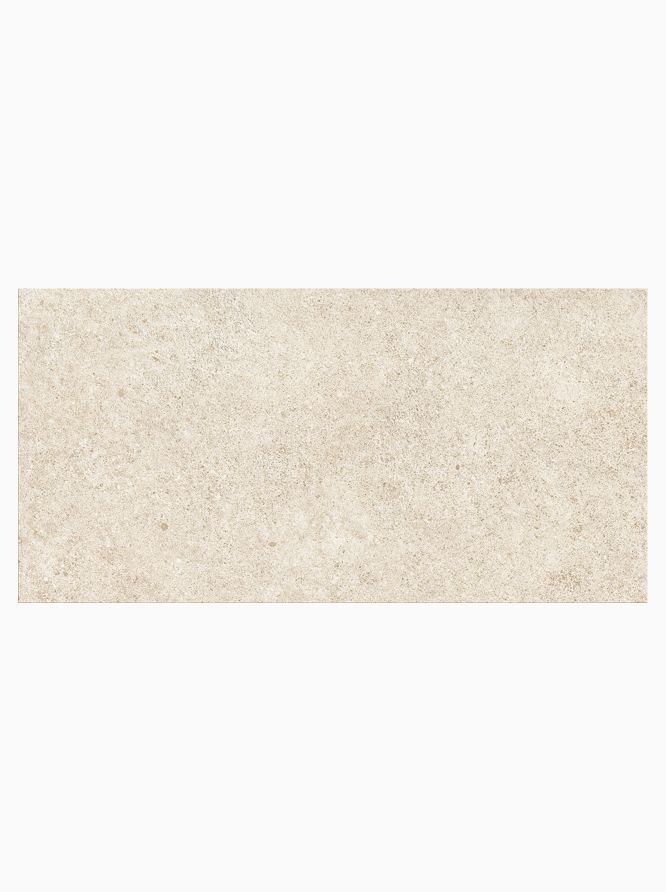
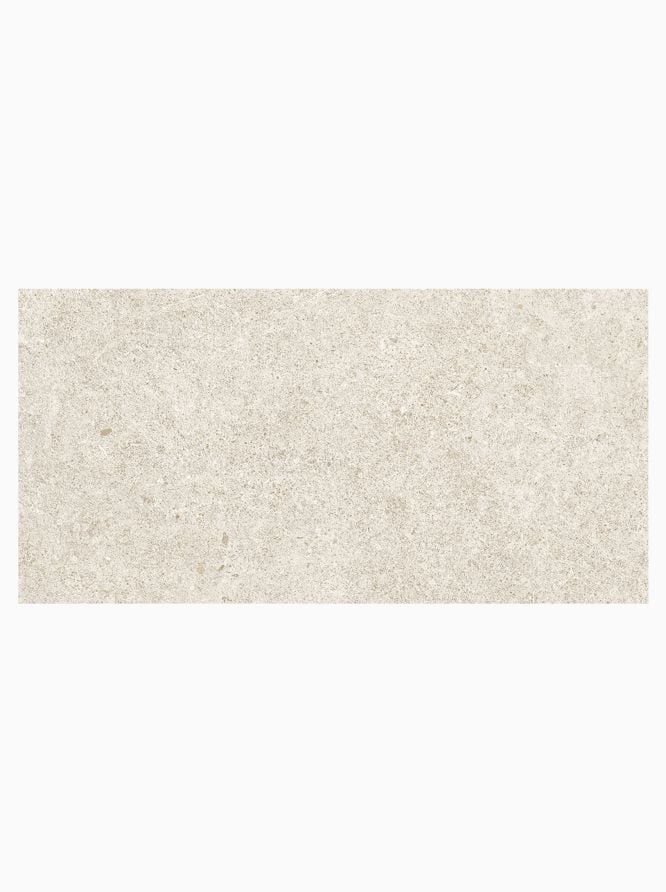
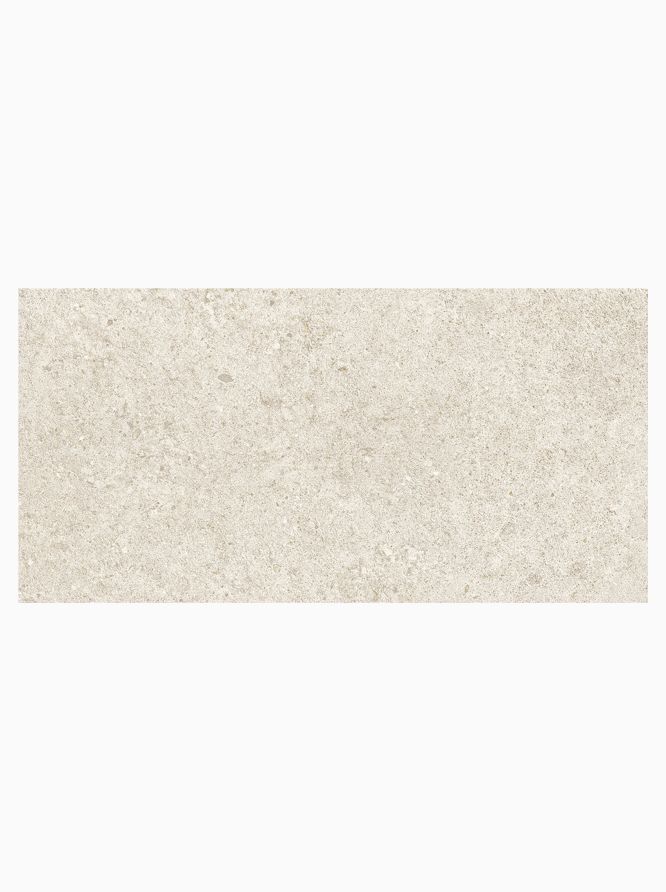
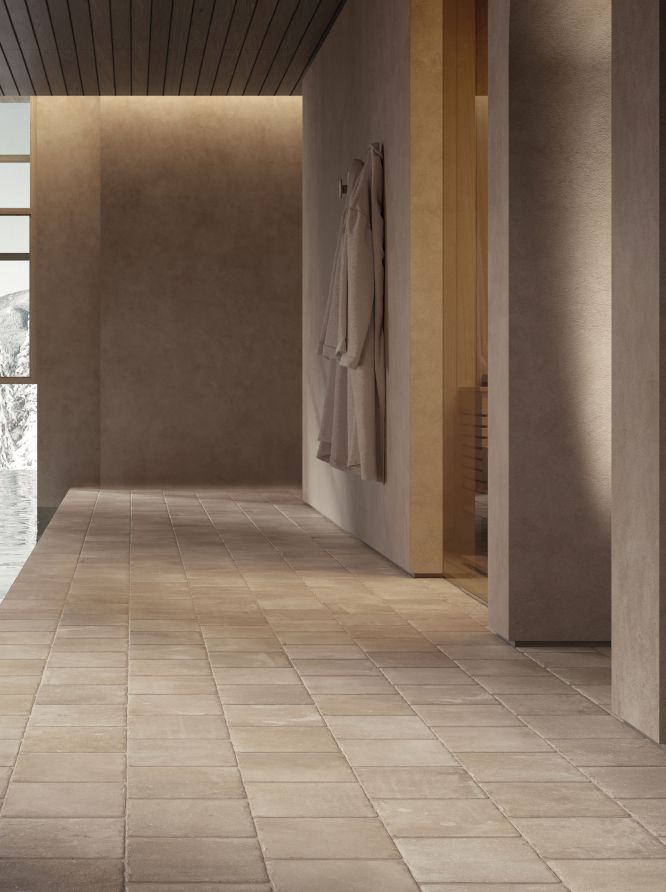
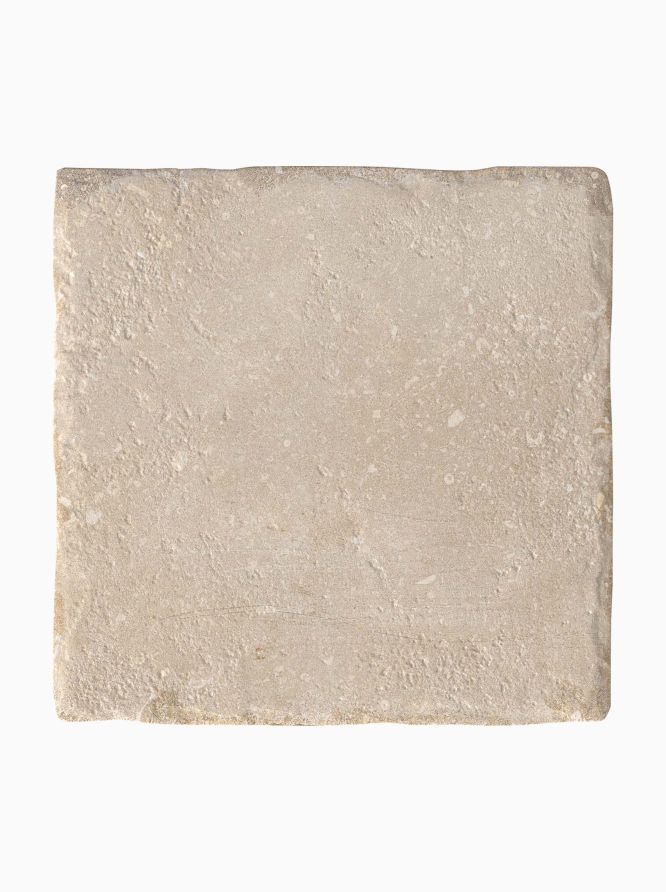
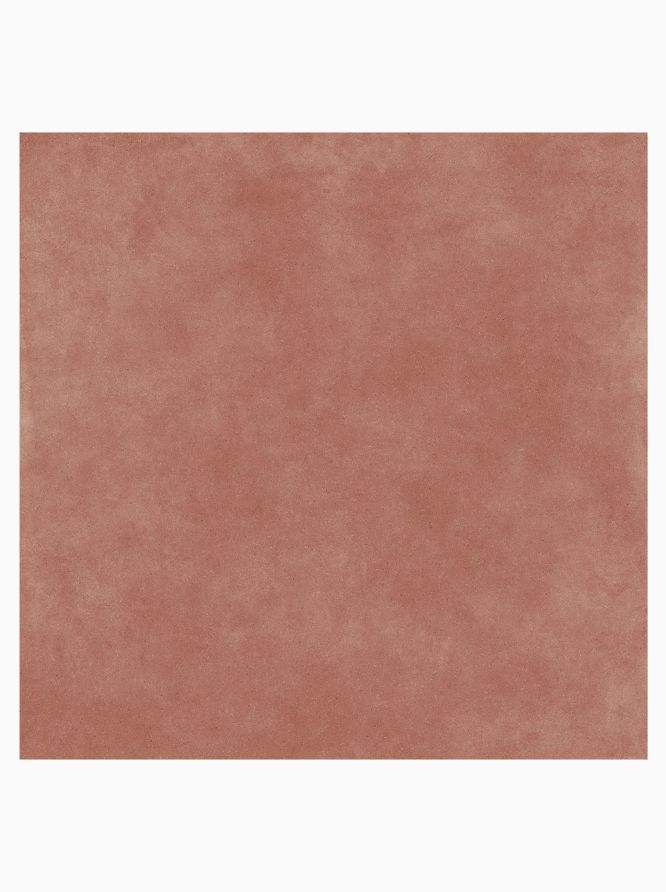
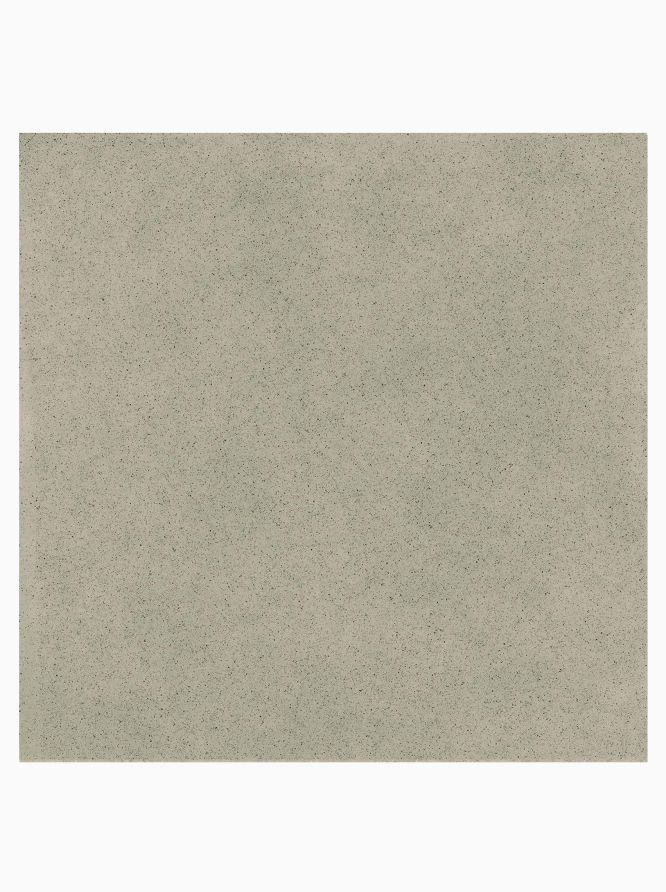
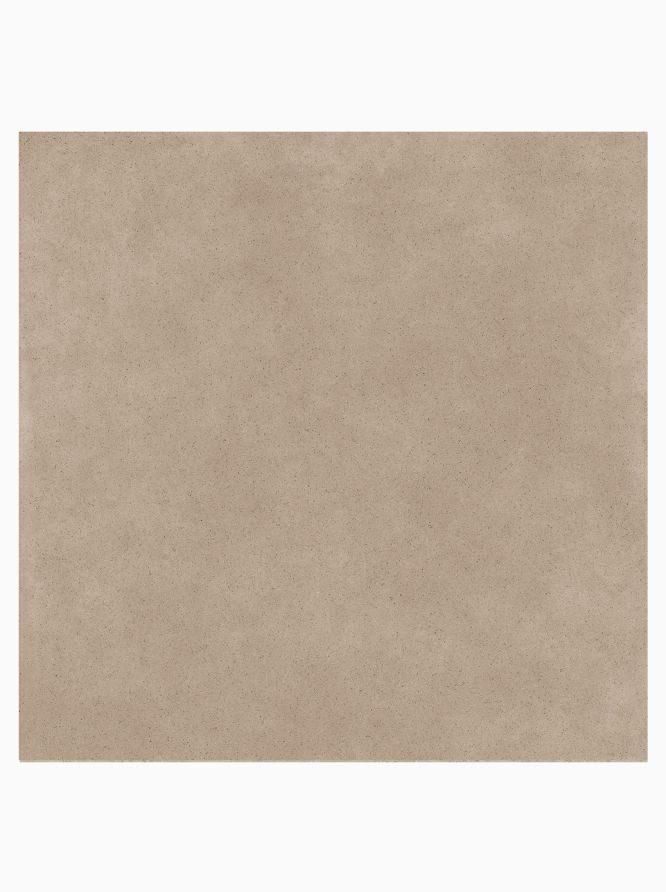
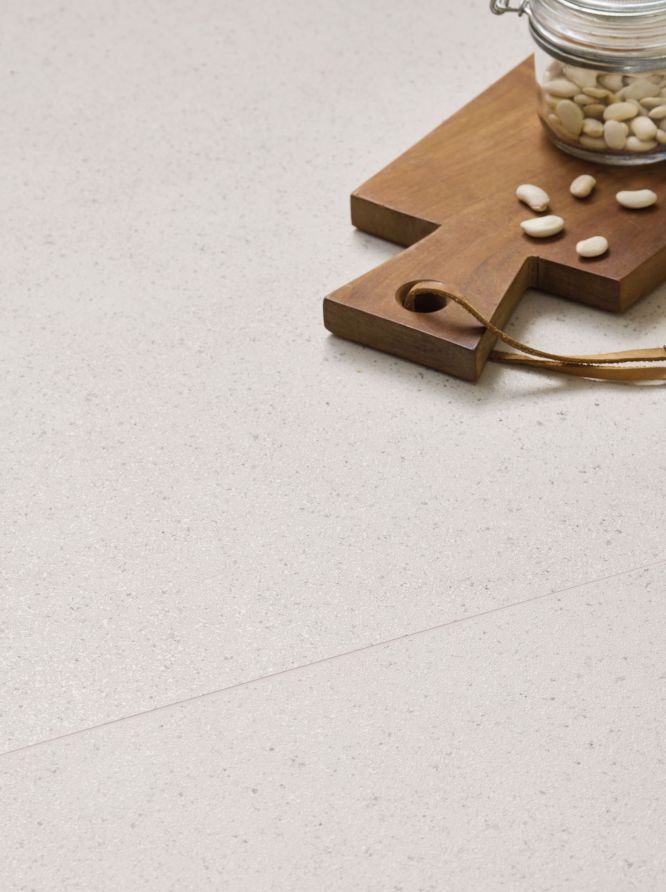
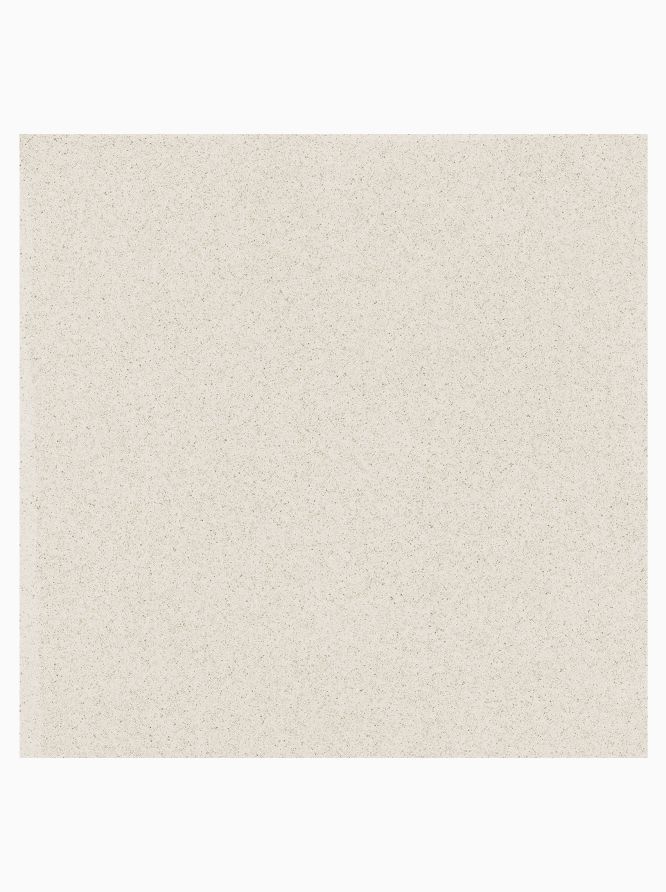
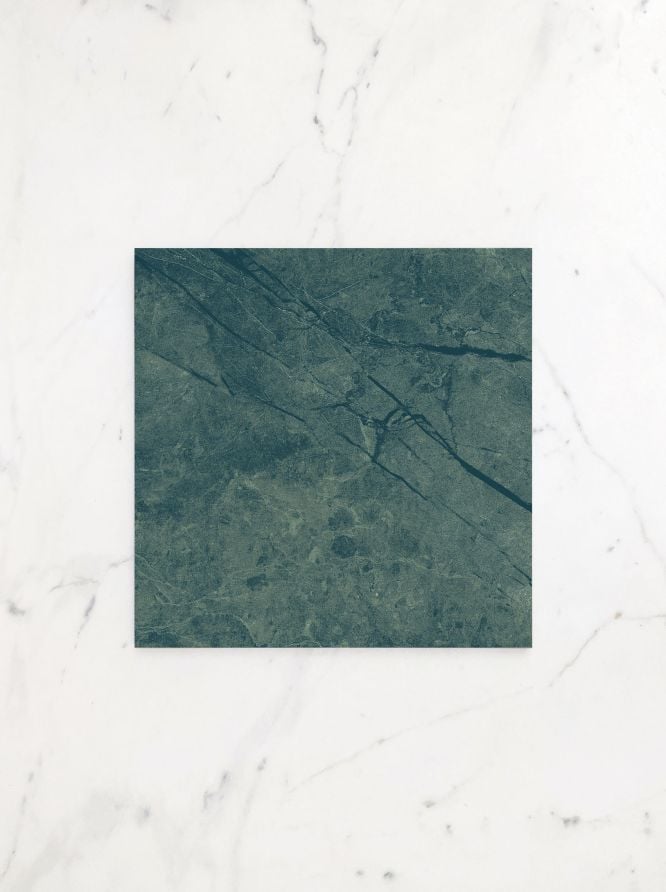
Chequerboard is a look that is easily achieved by using two shades from the same square tile collection, of which Claybrook has numerous beautiful varieties like the zellige style Tan-Tan and Californian inspired Bungalow 22, for walls. This classic alternating pattern—typically in black and white but often in other contrasting colours—creates a striking, elegant look that complements both traditional and modern interiors. The design can add a sense of structured order and symmetry, making rooms feel balanced as seen in our Allaperto series in practical and durable porcelain. Checkerboard tiles can be used on floors or walls to create dramatic entrances, charming kitchens, or vintage-inspired bathrooms, and the simplicity of the pattern allows it to pair well with a wide range of decor styles, from minimalist to retro. Check out the marble-effect Millbrook porcelain, colourful Kromatic, or the beautiful Scottsdale collection of neutral hues to see a few of the choices available, all to help create your own checkerboard look.
-
Is checkerboard style tiling suitable for both modern and traditional interiors?
-
What materials are best for checkerboard floor tiles—ceramic, porcelain, or stone?
Porcelain is a popular choice for floor tiles due to its durability, water resistance, and wide design options. Ceramic is also suitable for low-traffic areas, while natural stone offers a more luxurious, textured finish.
-
Can checkerboard tiles be used on walls as well as floors?
Absolutely. While traditionally used on floors, checkerboard tiles can create bold accent walls like our Fellini tiles, stylish splashbacks, or even shower enclosures.
-
Will a checkerboard pattern make a small room look too busy?
Not necessarily. Smaller tiles in muted tones or subtle contrasts can add character without overwhelming the space. Diagonal and checkerboard patterns can even make rooms appear larger.
-
Are checkerboard tiles hard to maintain or clean?


