
Marble Tiles
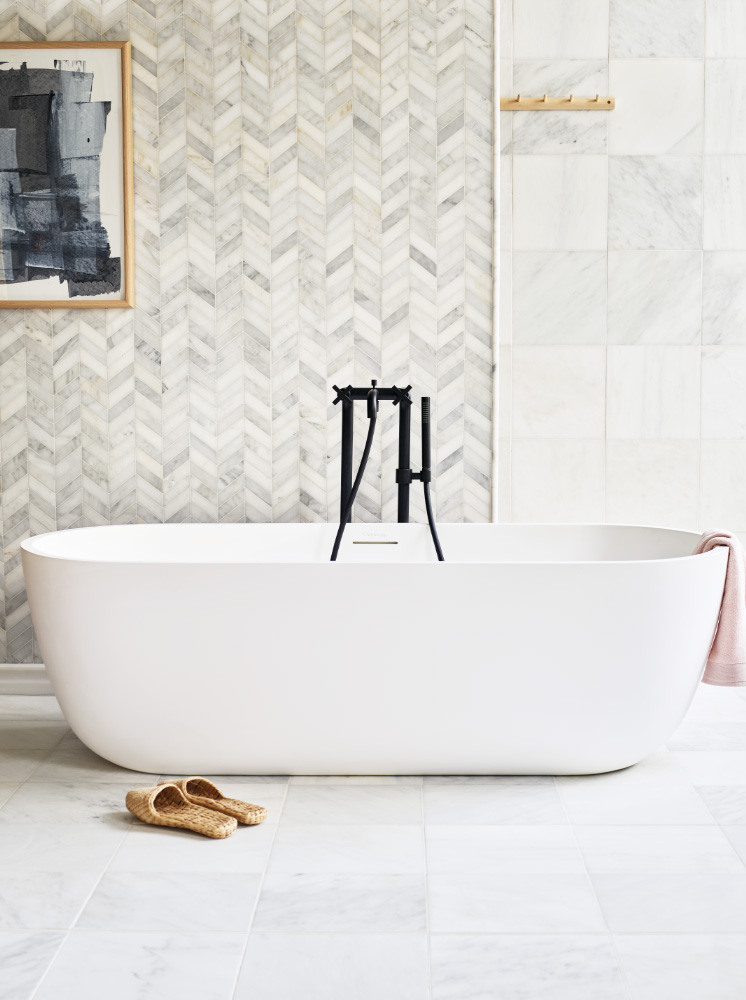
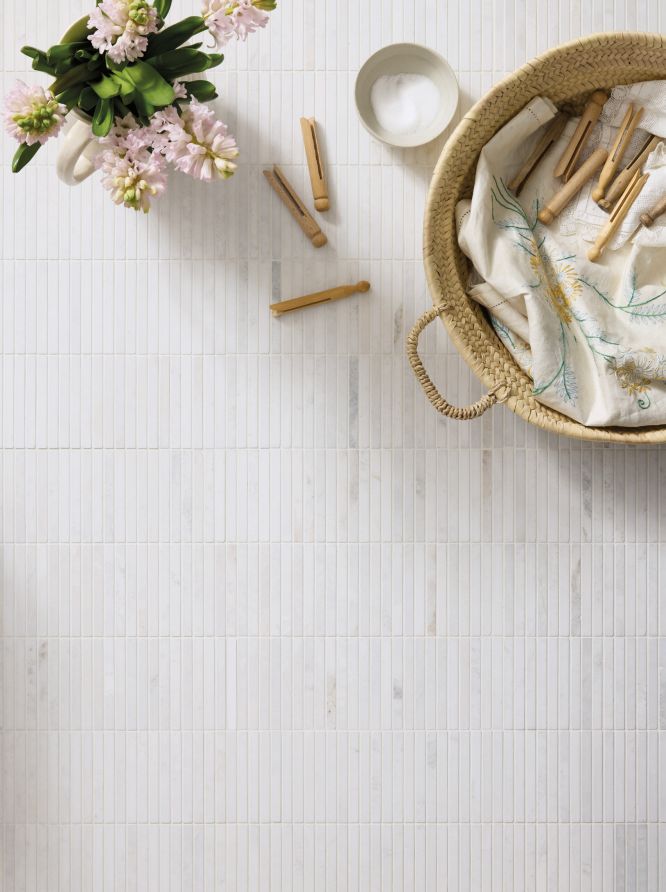
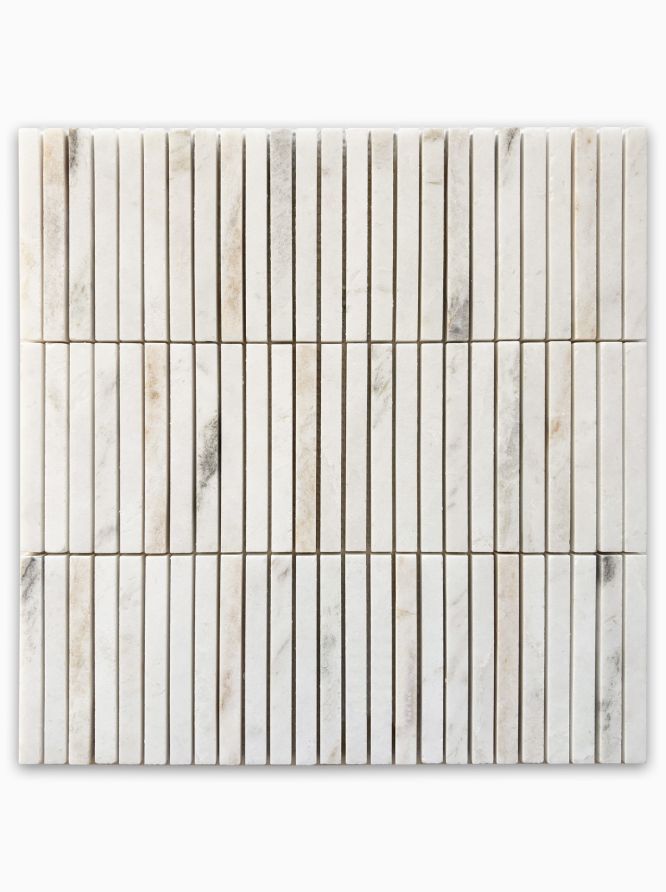
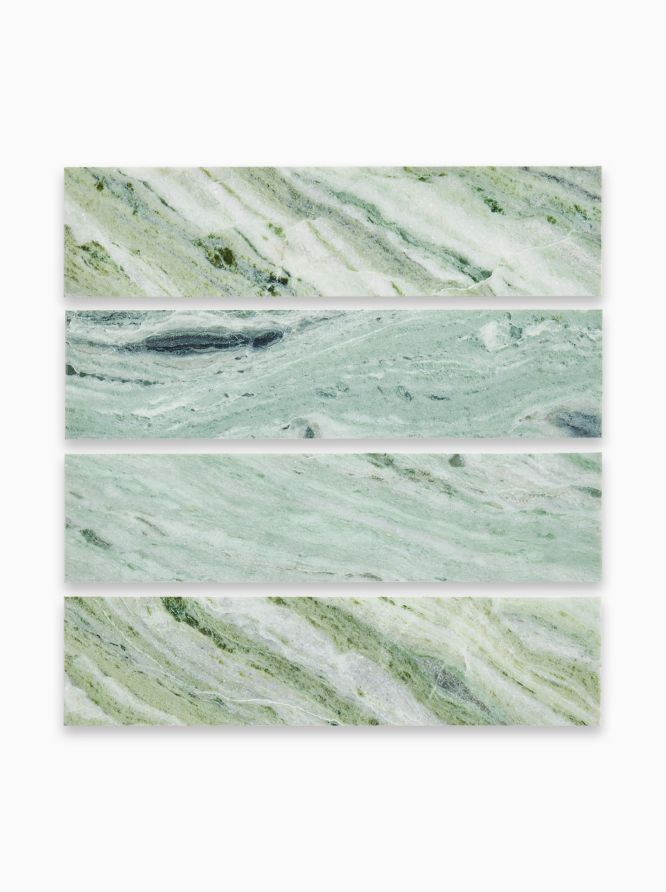
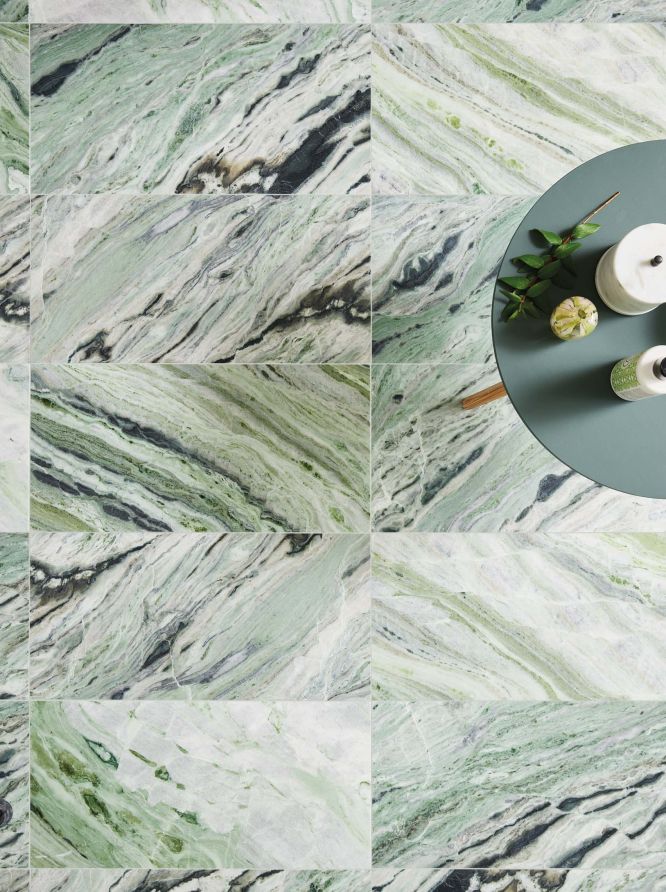
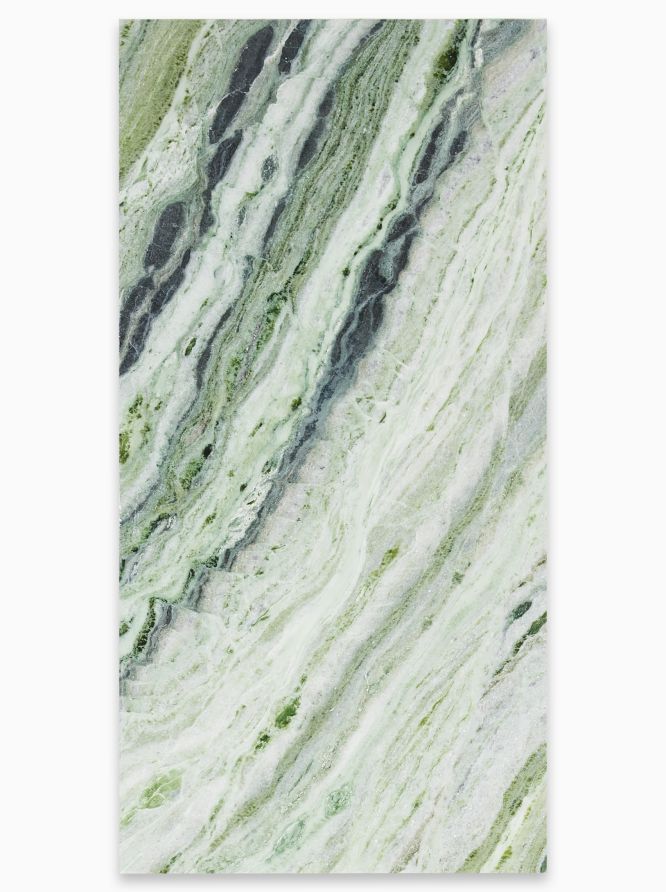
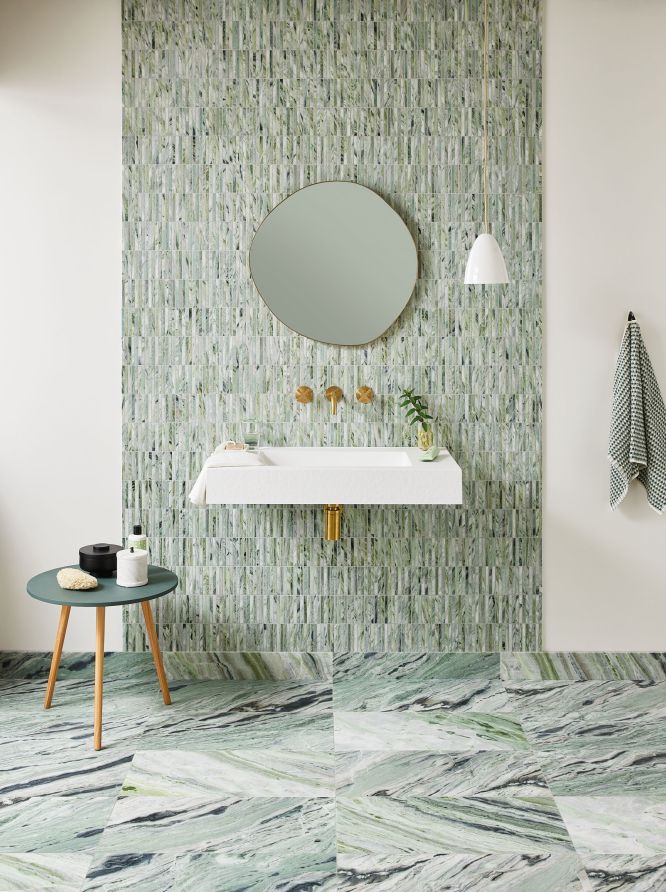
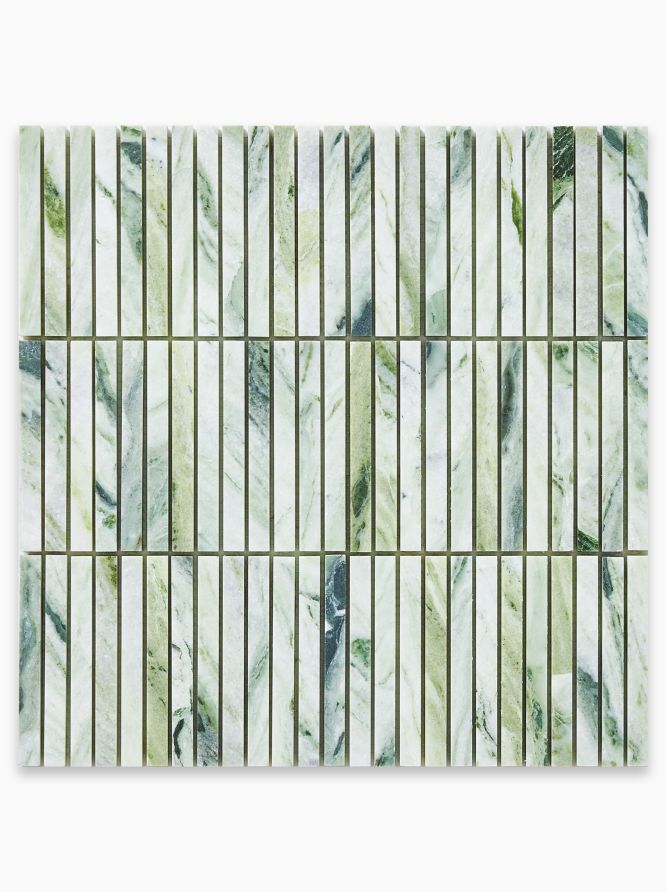
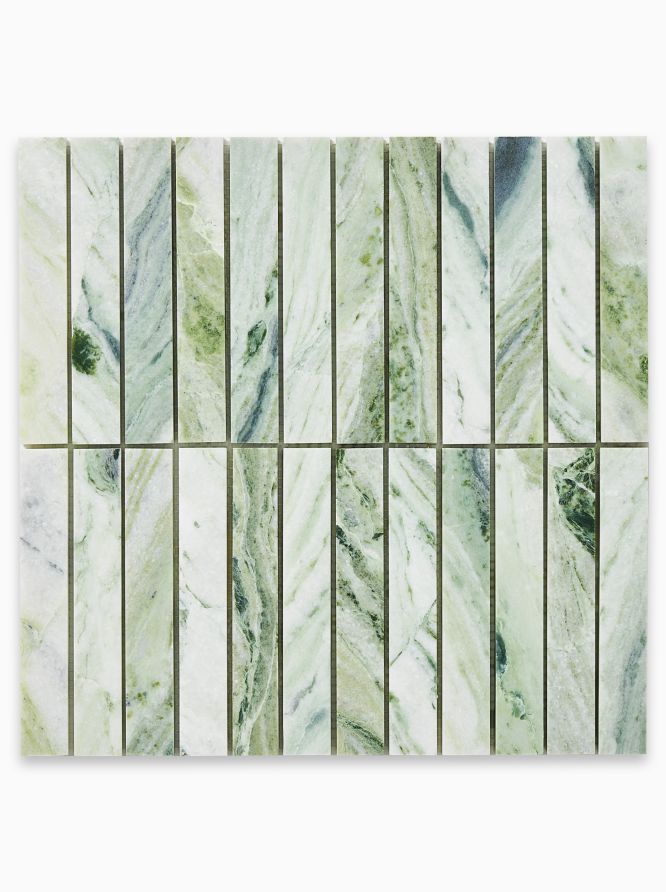
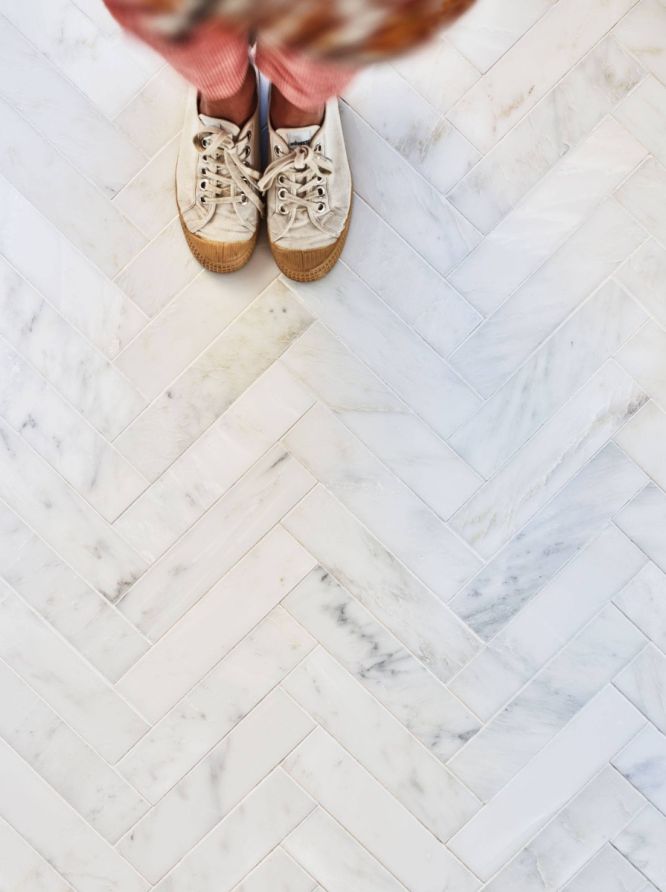
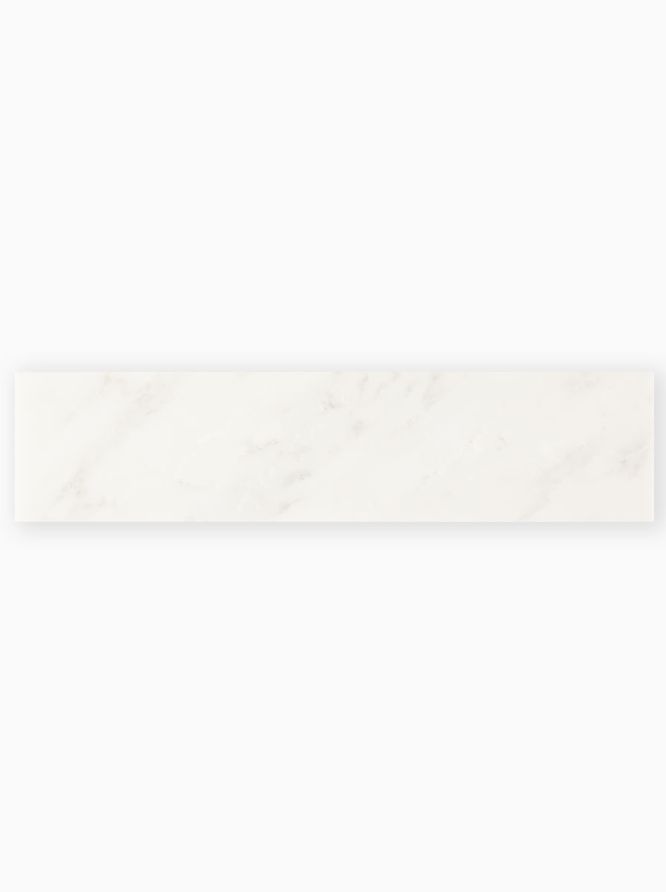
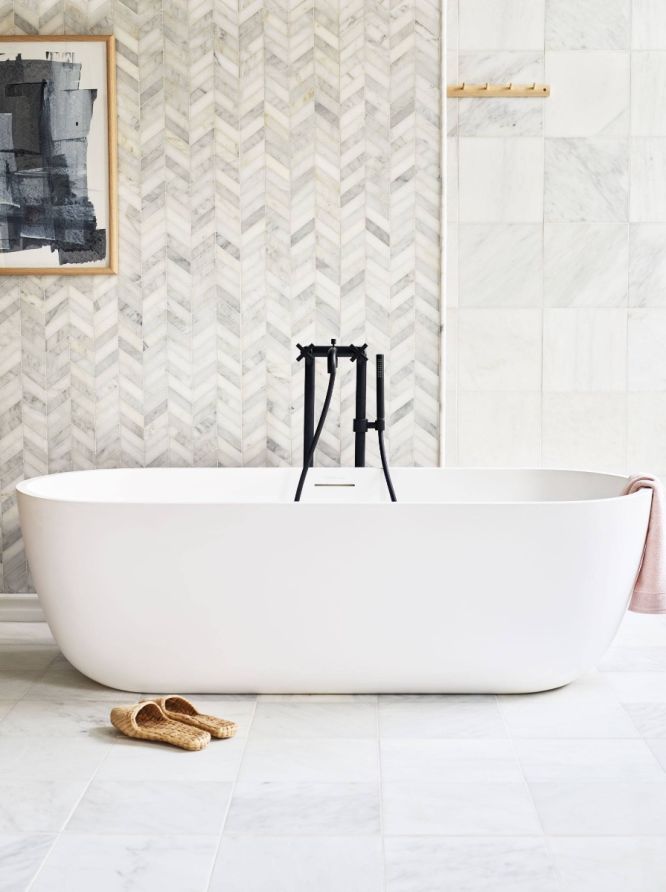
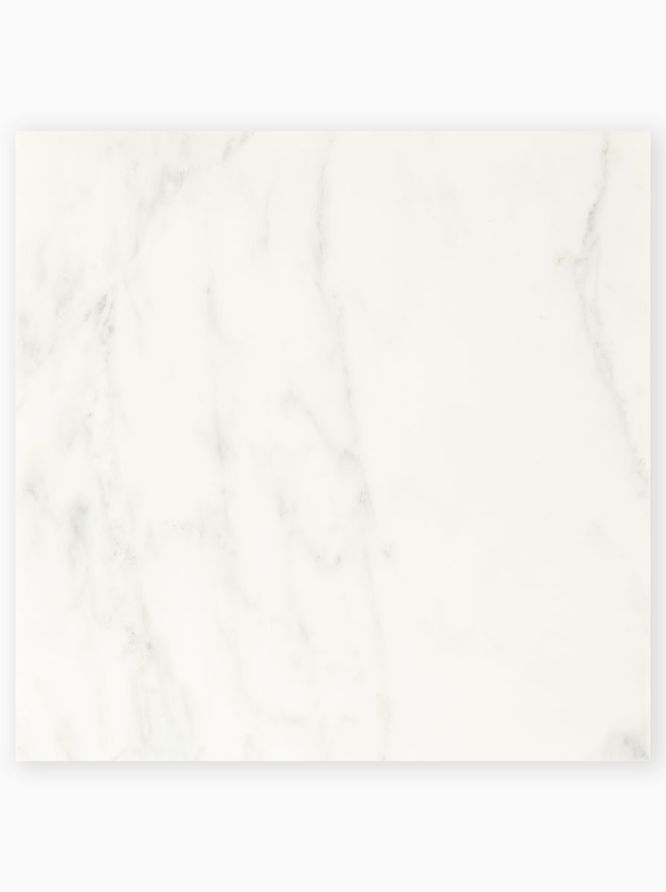
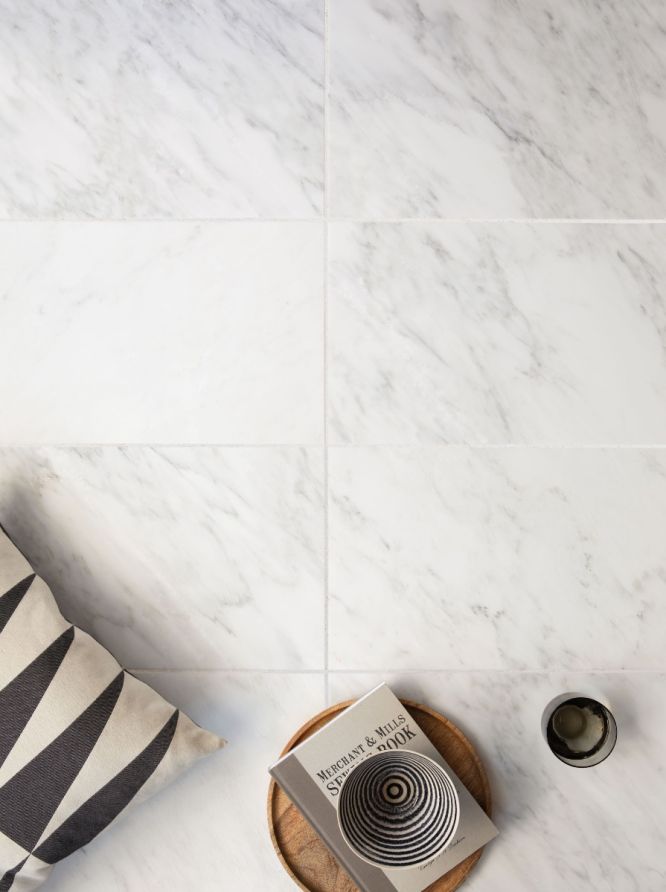
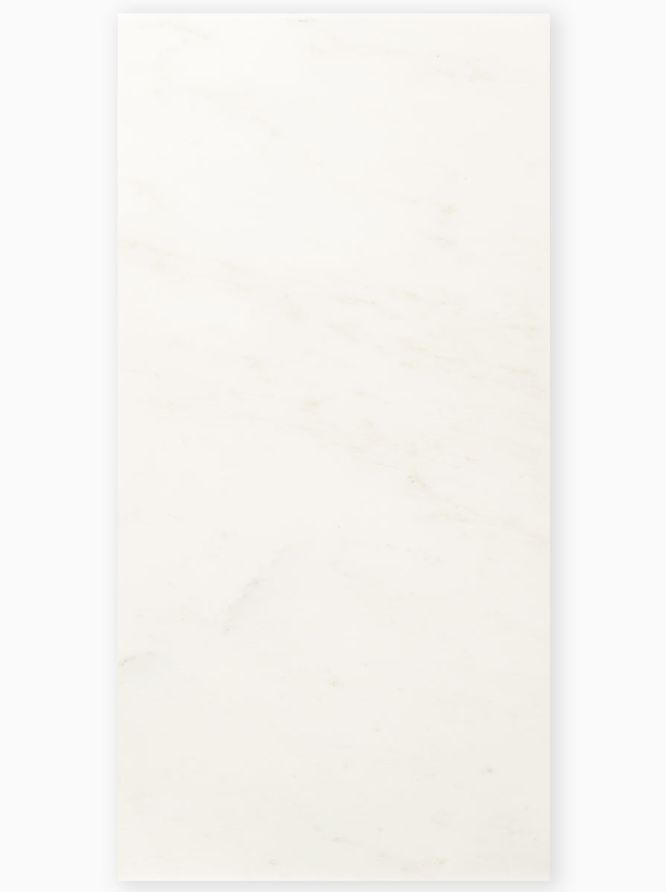
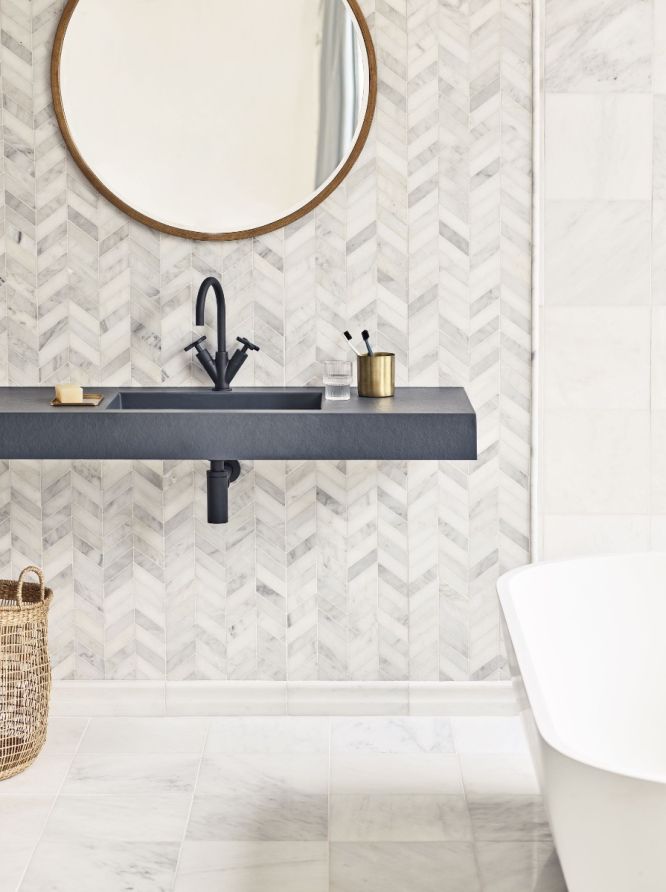
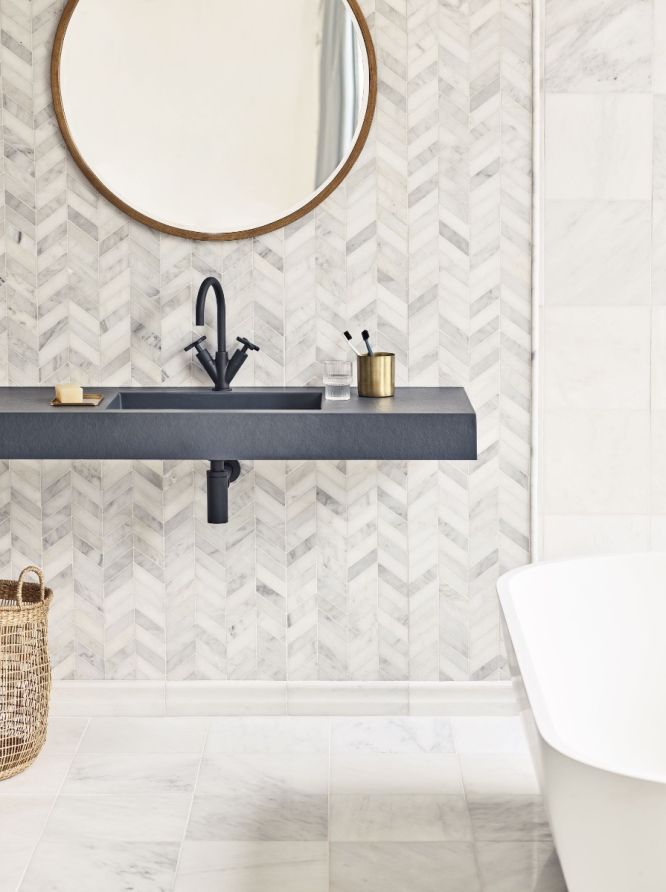
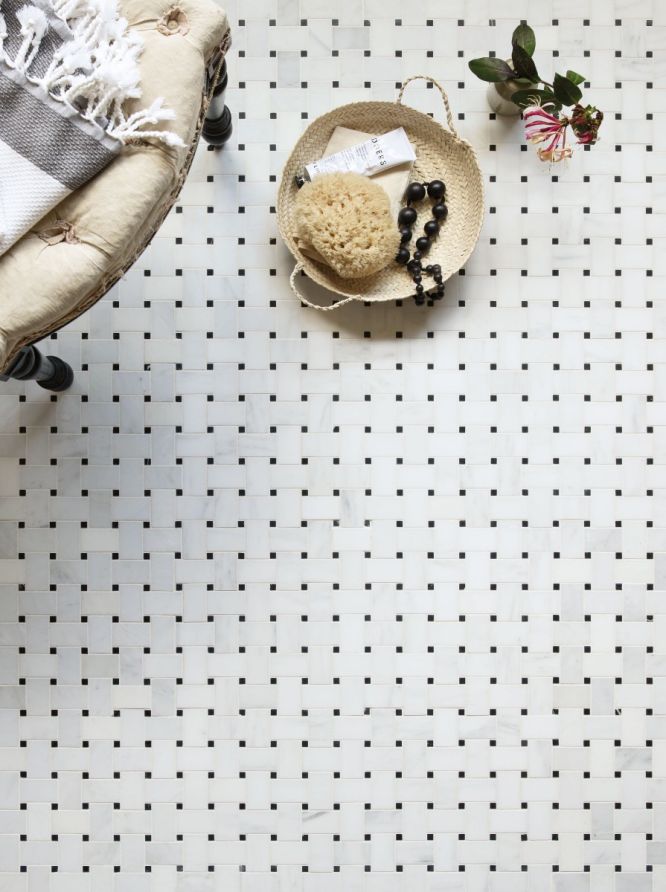
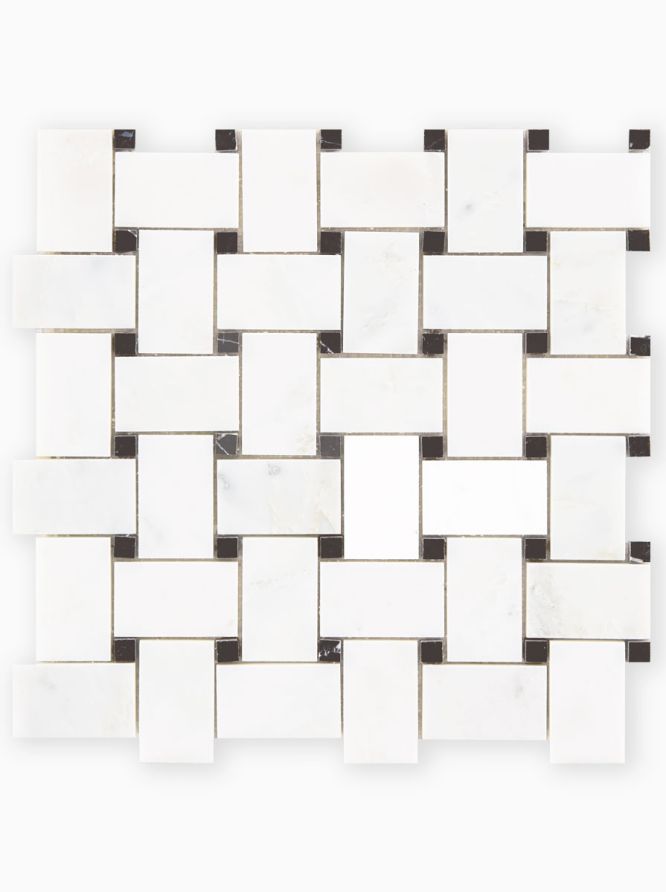
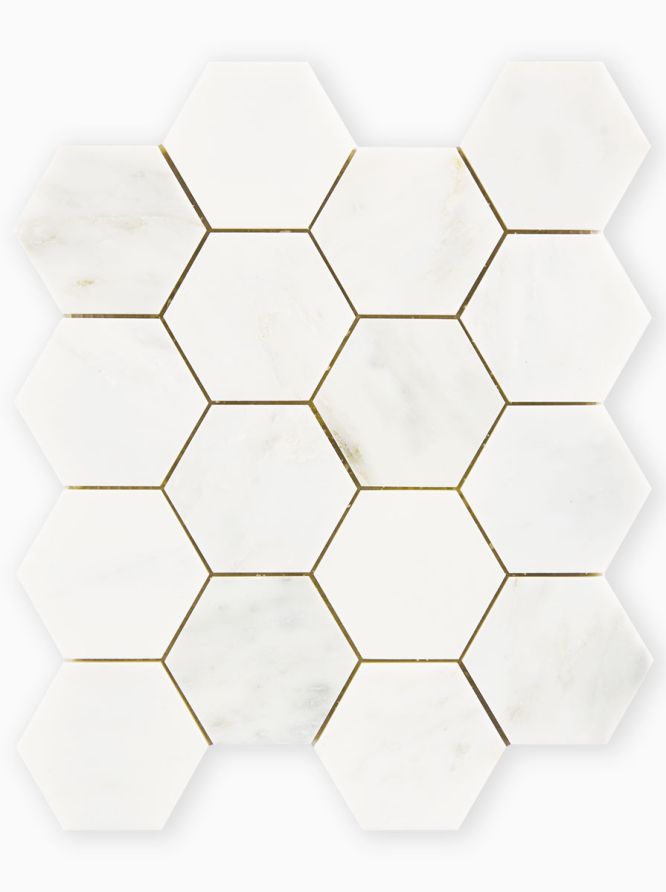
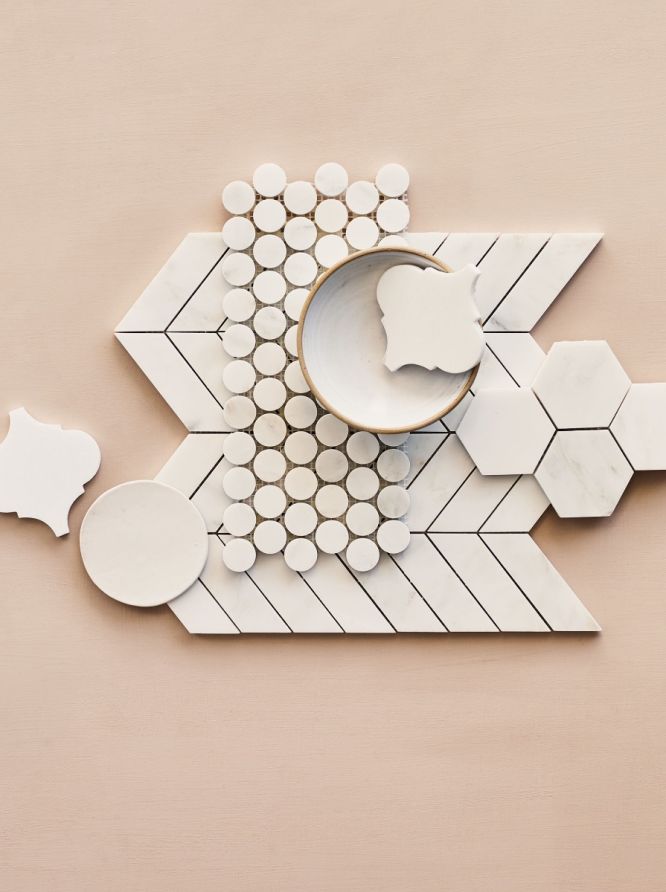
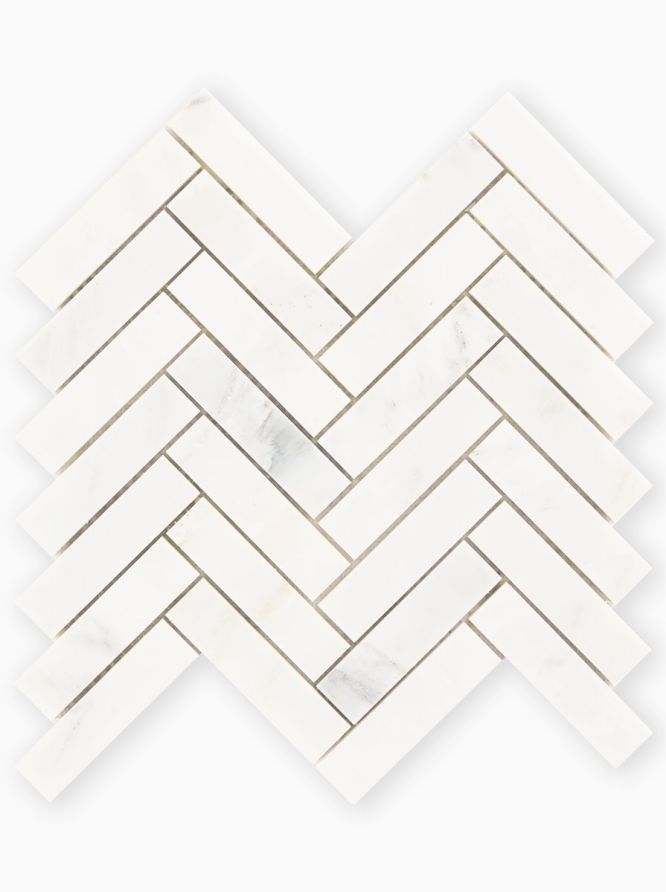
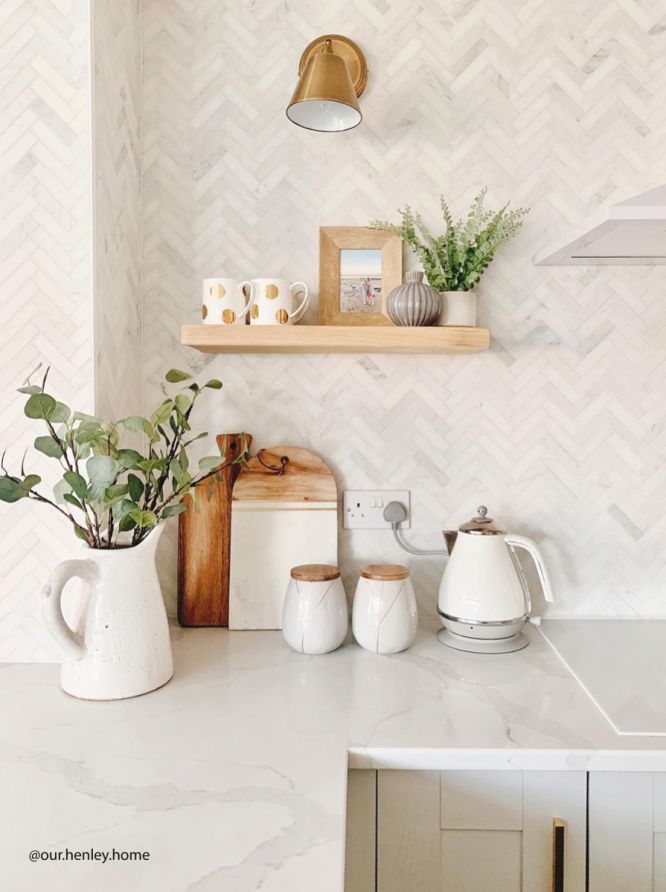
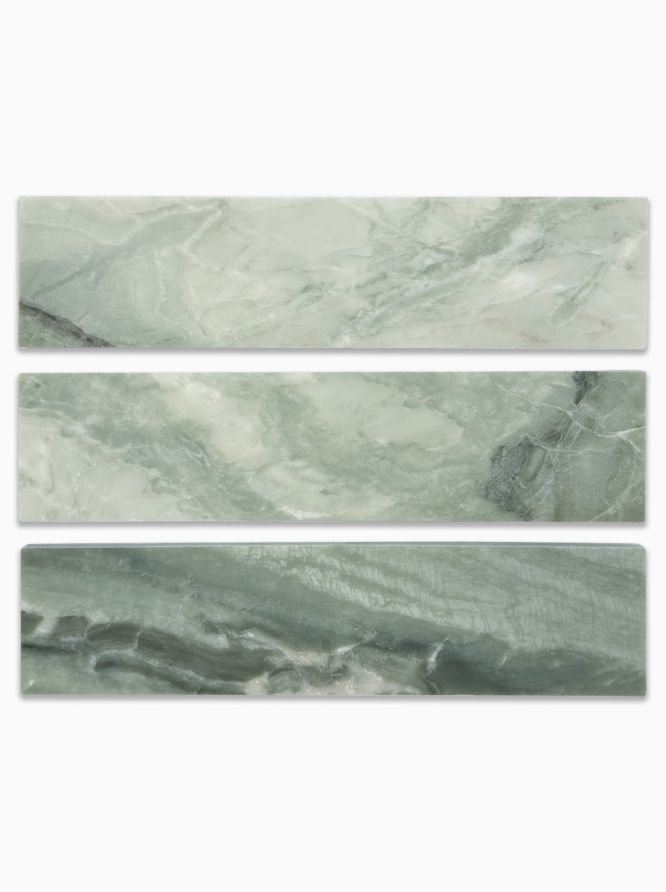
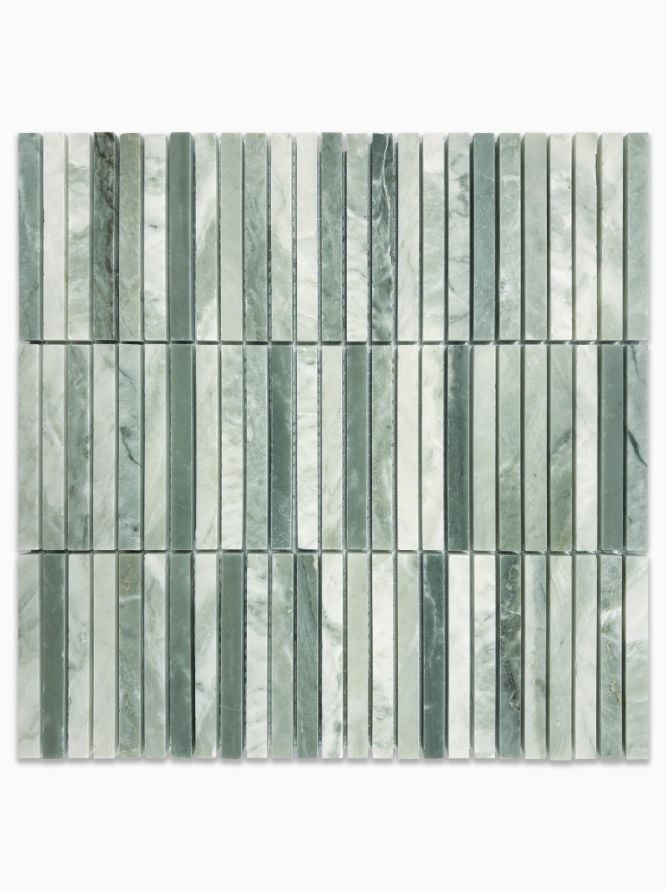
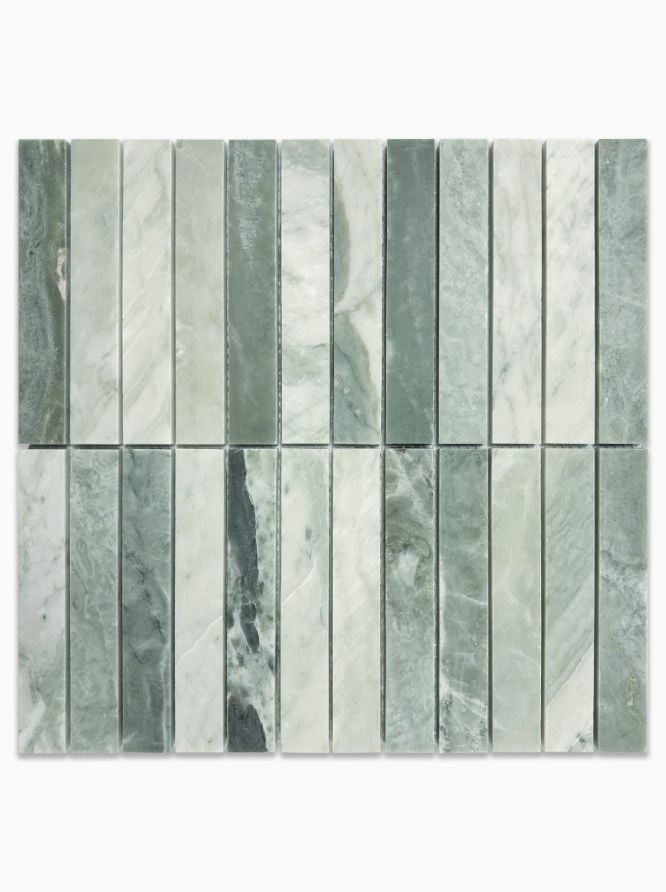
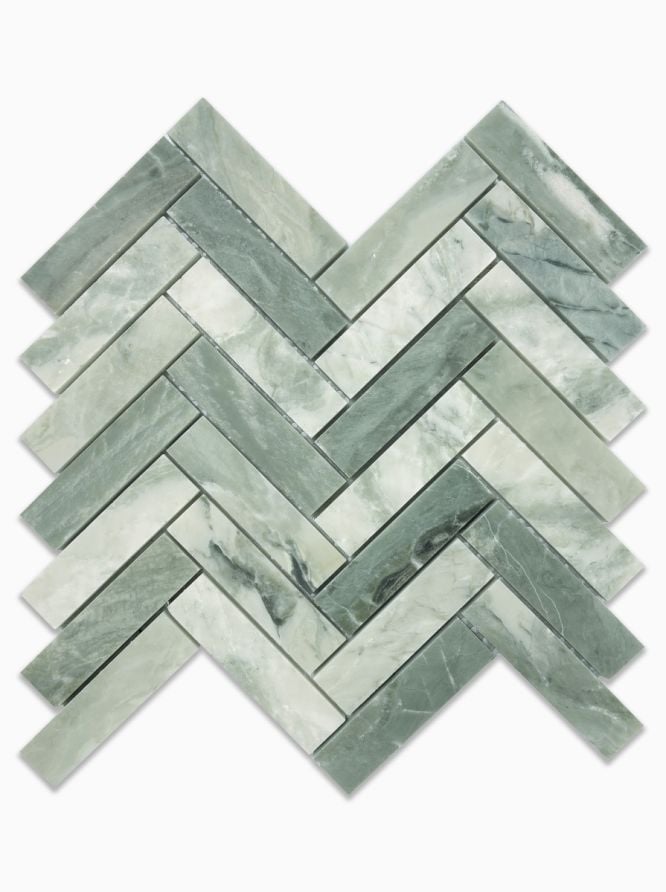
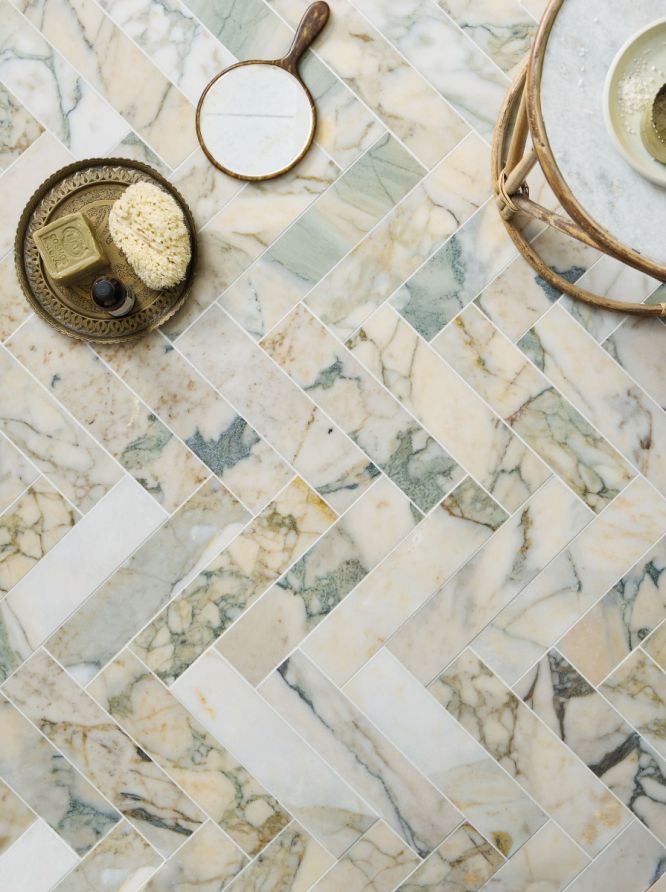
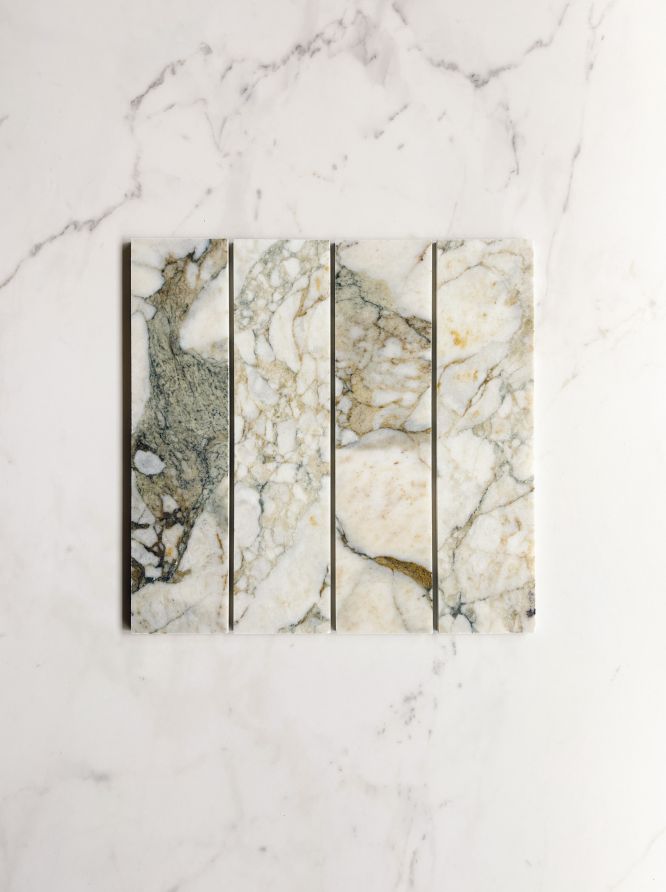
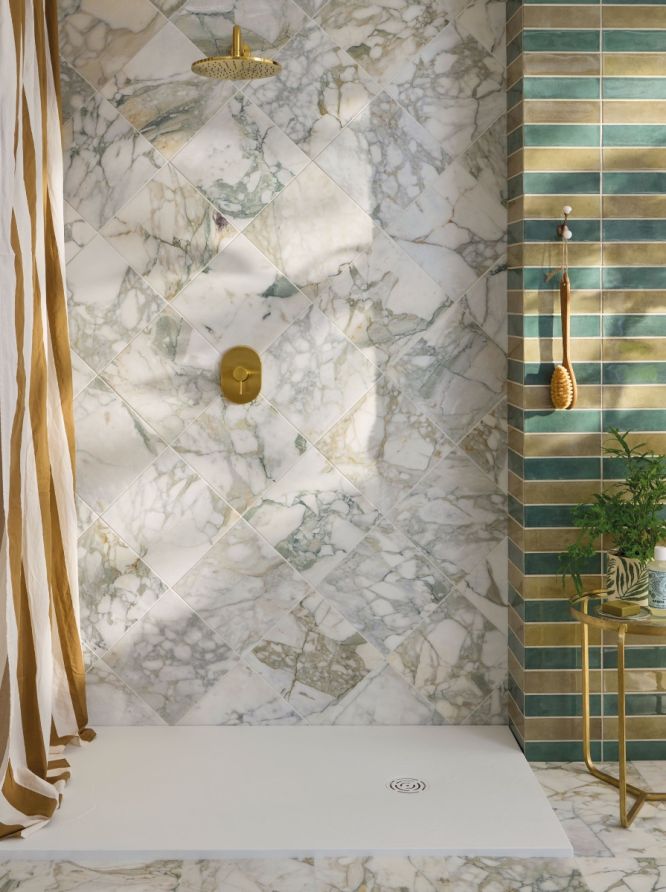
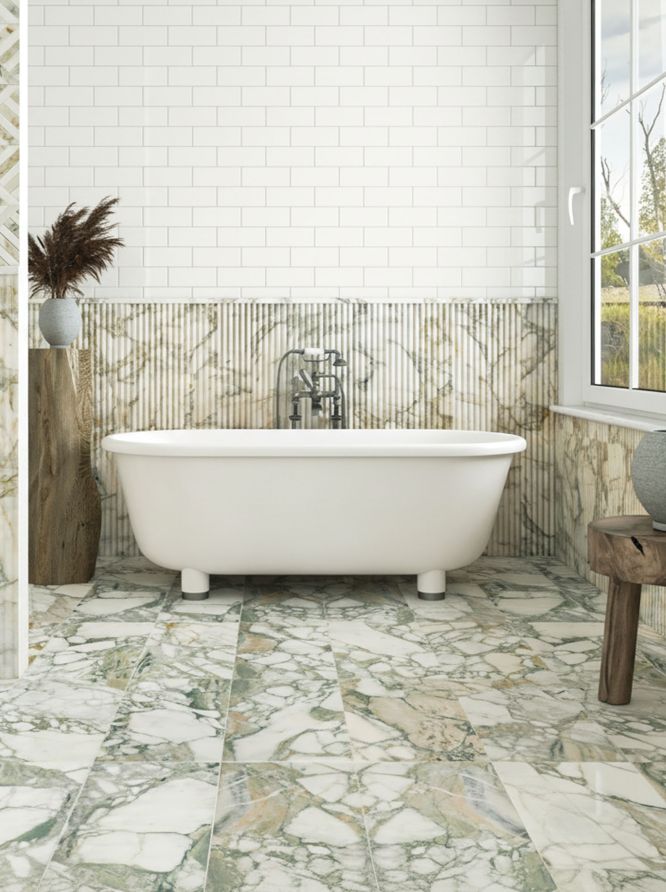
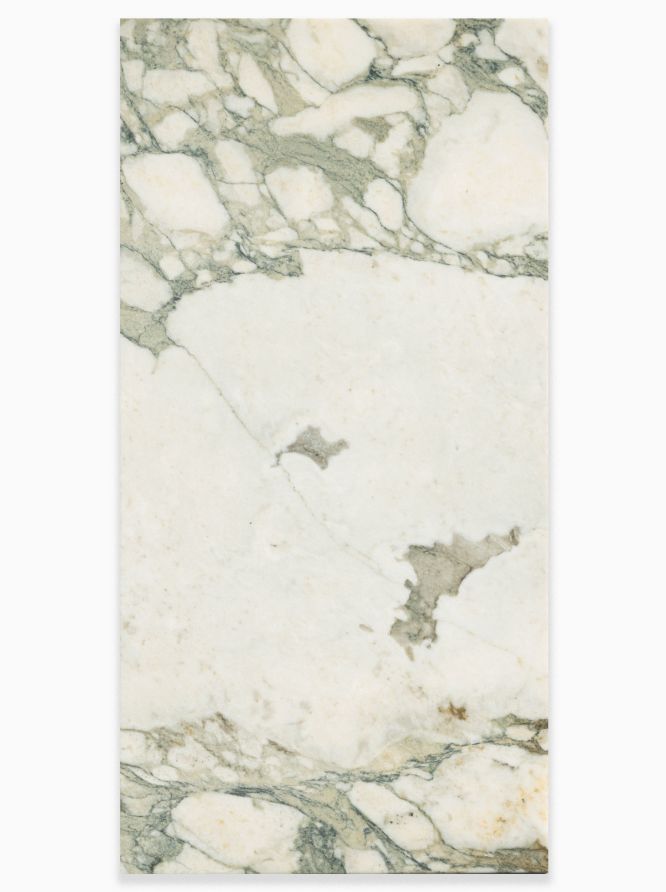
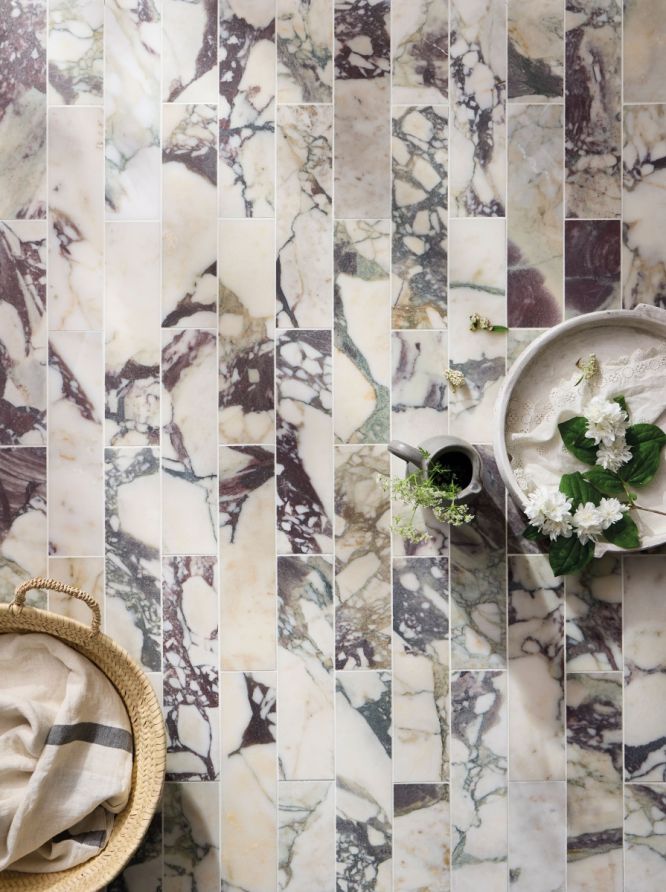
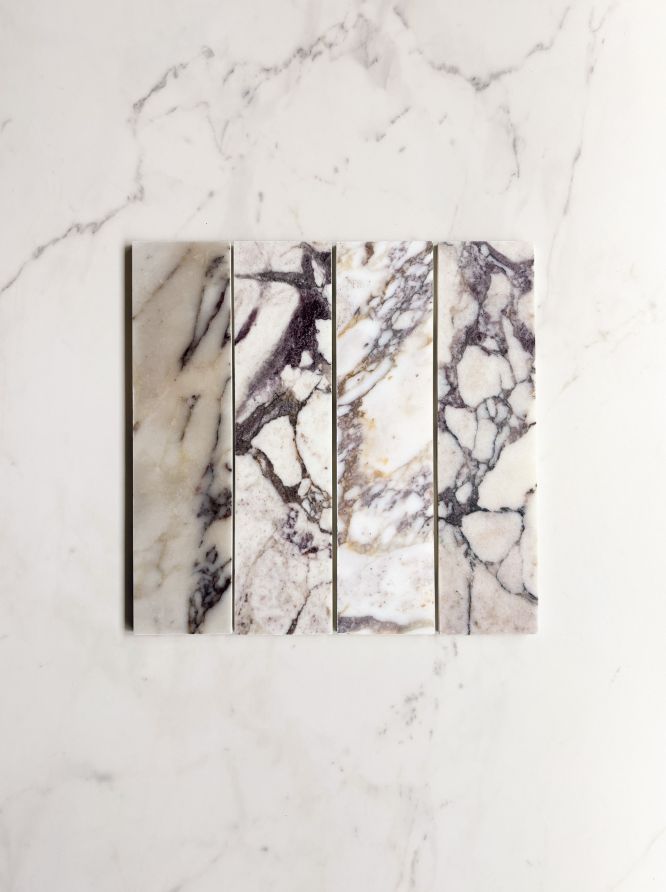
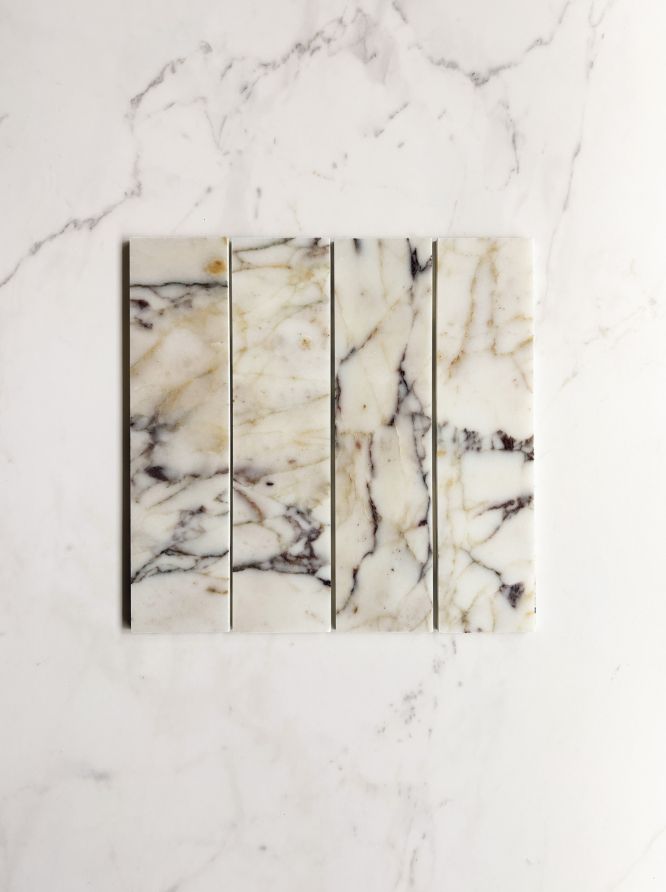
Real natural marble has an authentic and classic feel while still managing to appear current and fresh for your refurbishment project. Our East Haven collection, in crisp white and soft grey with golden flashes, is available in a variety of shapes and formats including wonderful herringbone. Its sister range Brookhaven is a darker option with blue-grey veined tiles, including a beautiful basket weave design. Green marble can feel verdant and uplifting, as seen in our Summer Haven series, including the pretty kit-kat style finger mosaic. All can create a powerful impression for walls or floors.
-

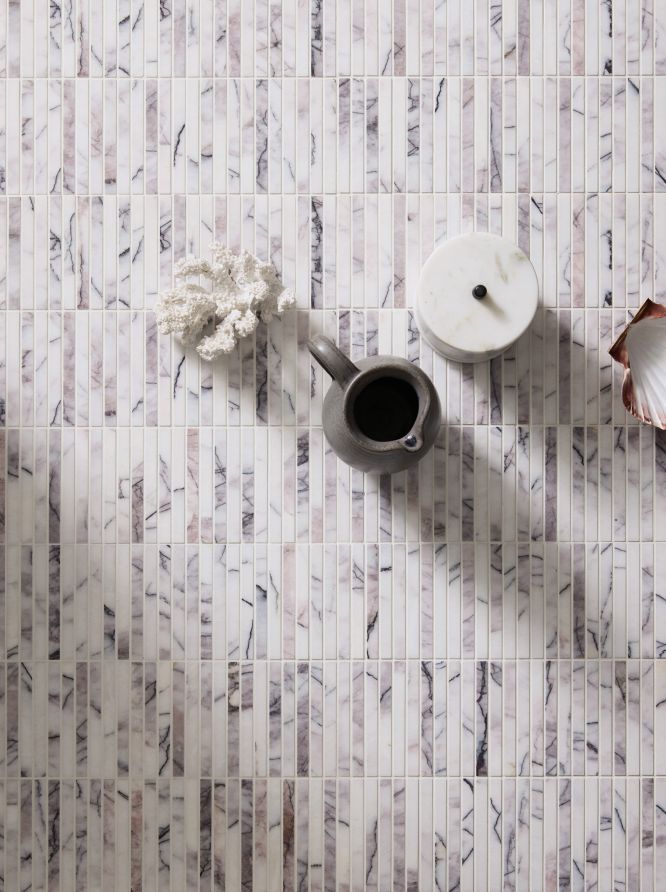
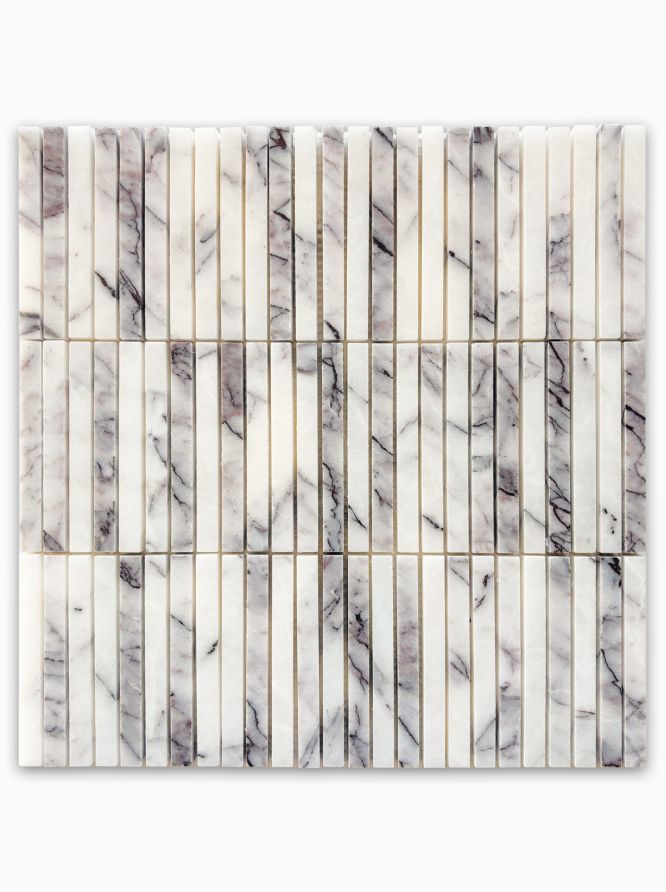 Winter Haven Small Kit Kat MosaicIn stockRegular Price £11.36 each Special Price £8.52 eachTotal Price £8.52 total
-

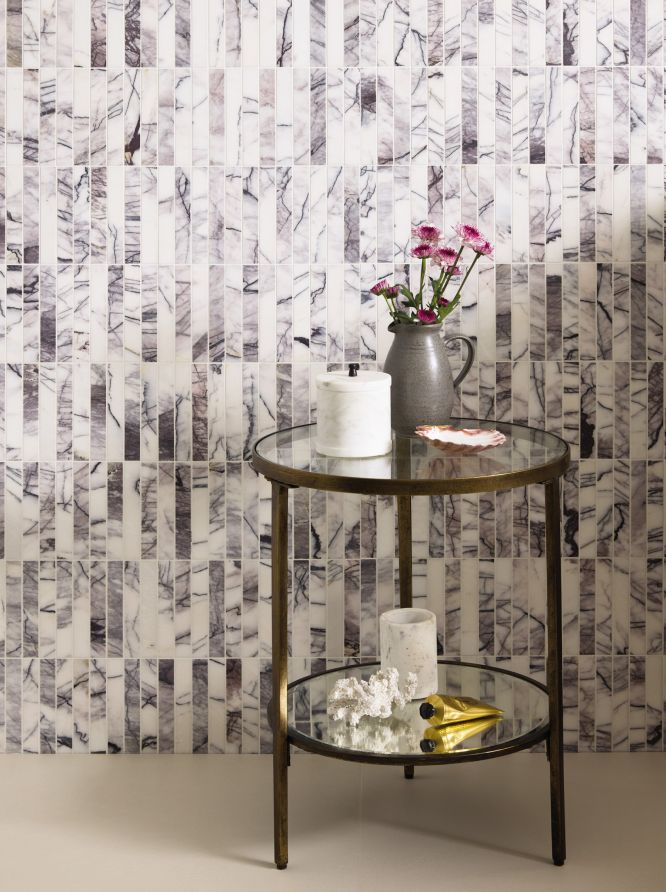
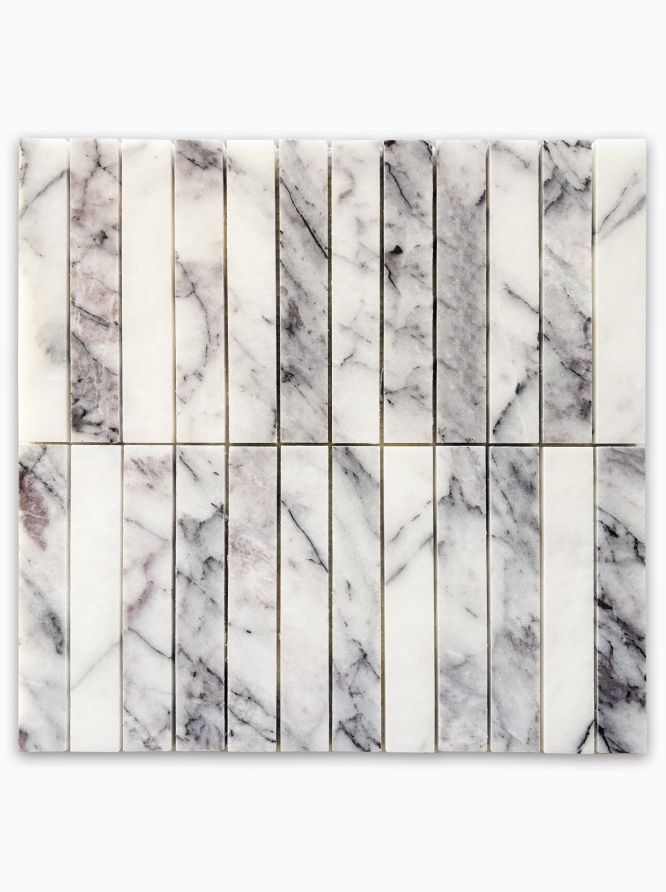 Winter Haven Large Kit Kat MosaicIn stockRegular Price £10.86 each Special Price £8.15 eachTotal Price £8.15 total
-
-

-
-
-
-
-
-
-
-
-
-

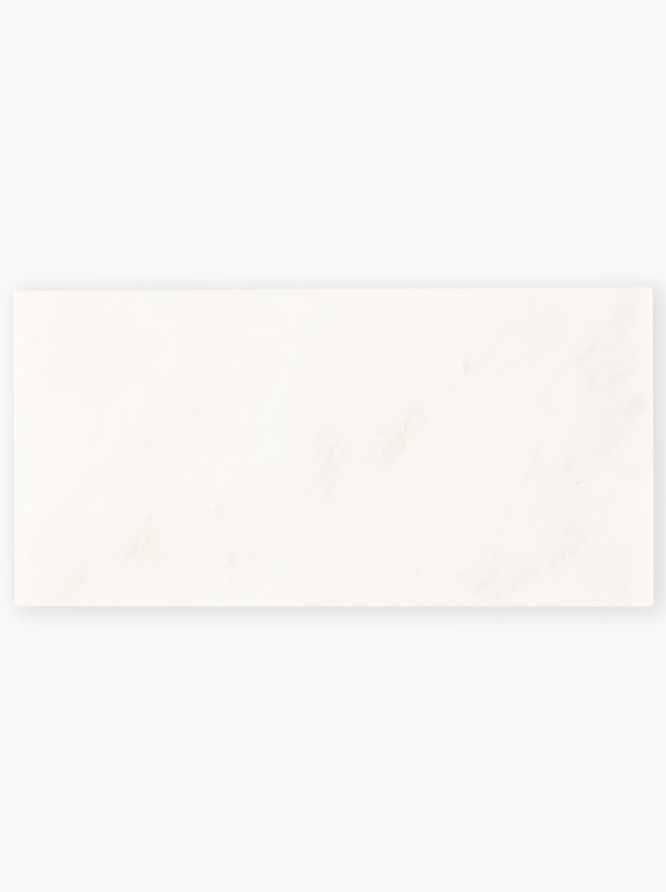
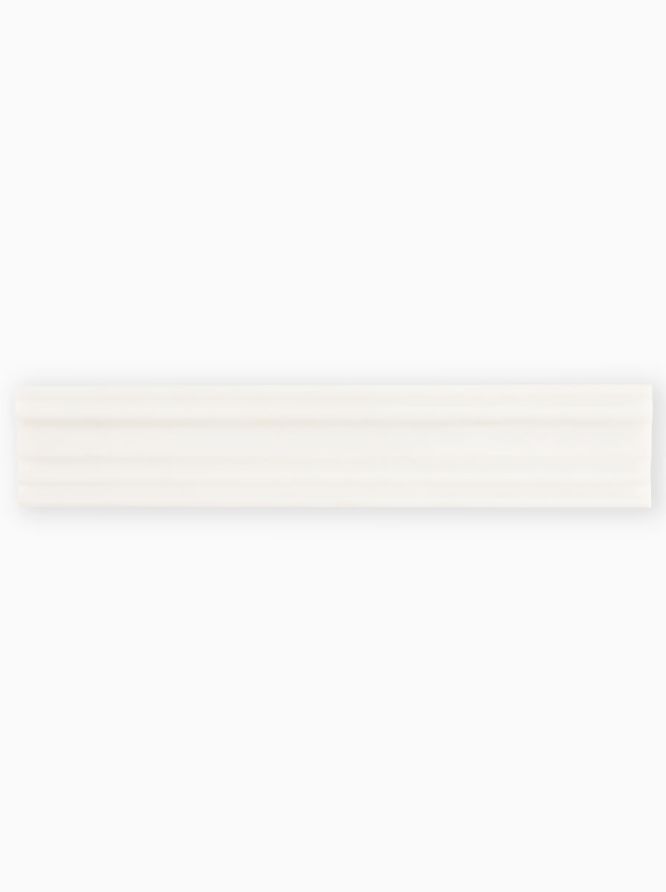 East Haven DadoIn stockRegular Price £24.98 each Special Price £18.74 eachTotal Price £18.74 total
-
-
-
-
-
-
-


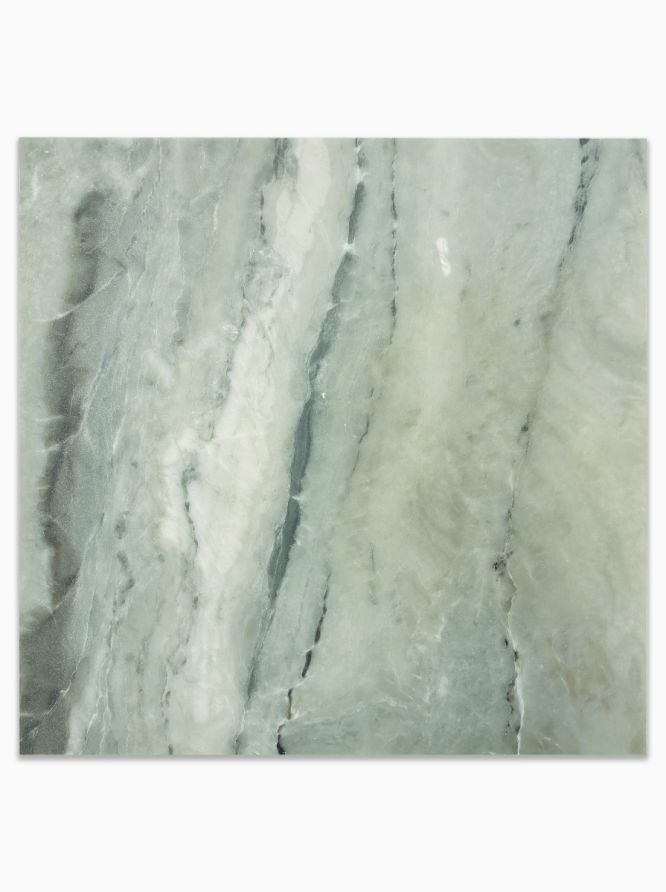
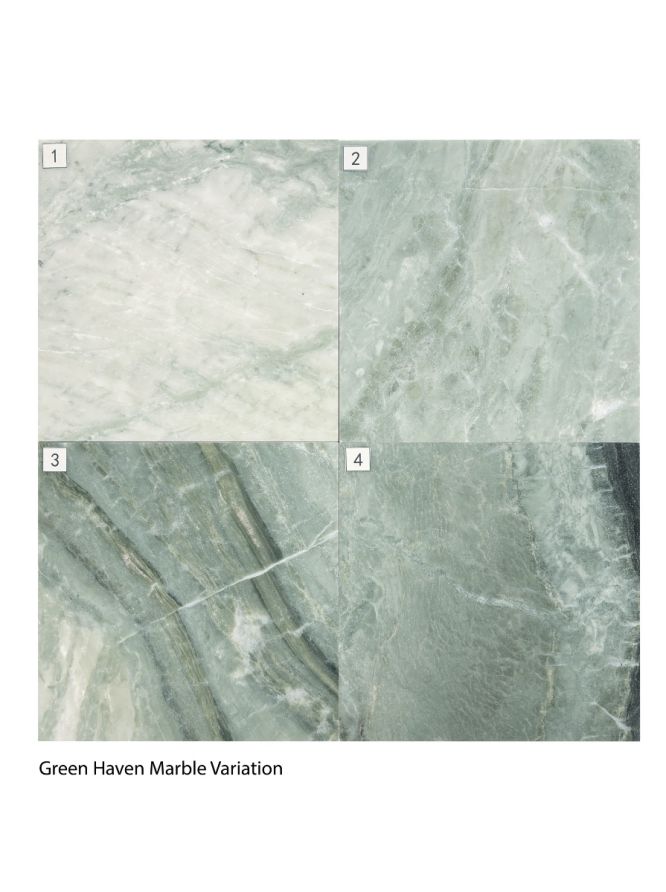

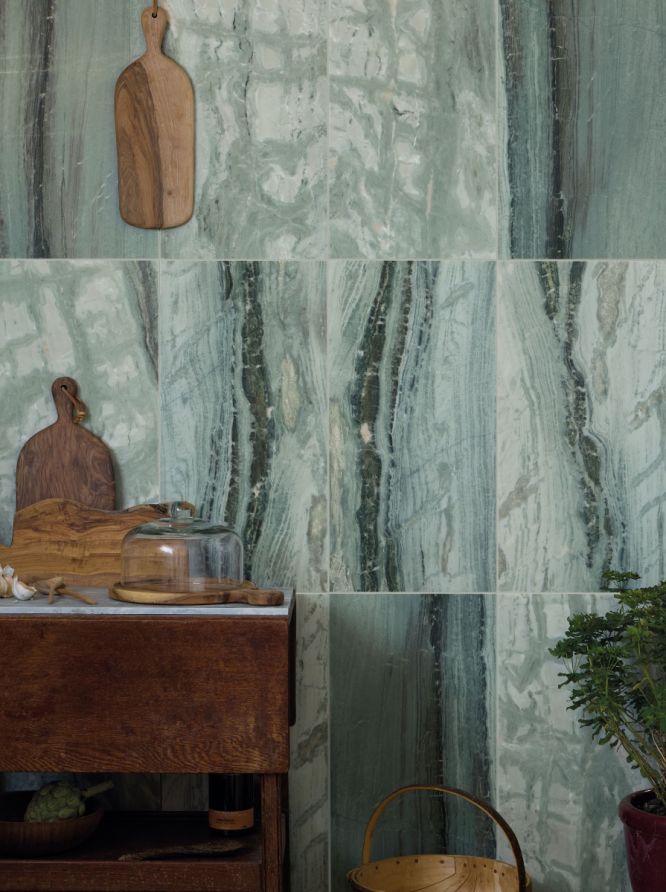
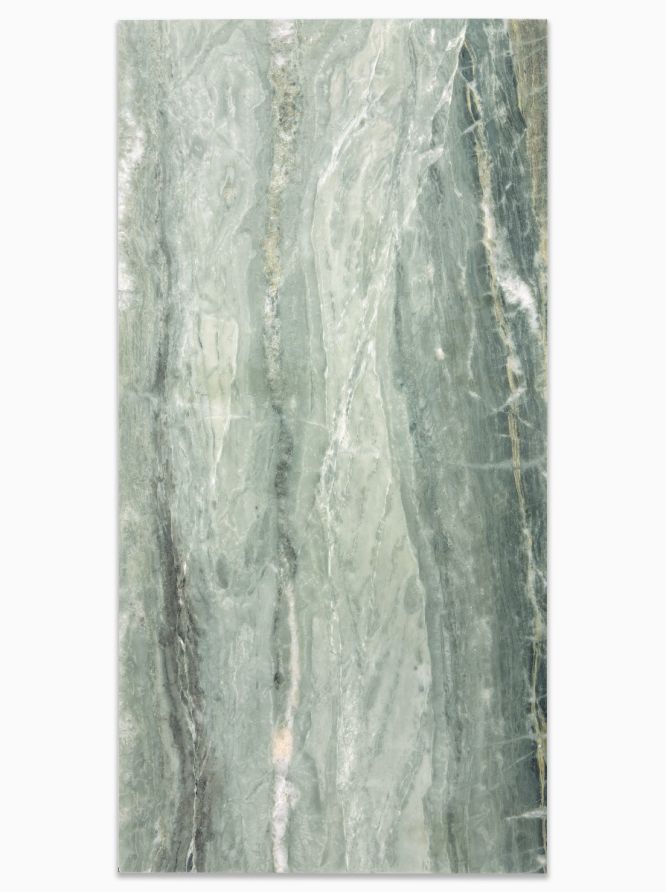












Choosing Marble Tiles
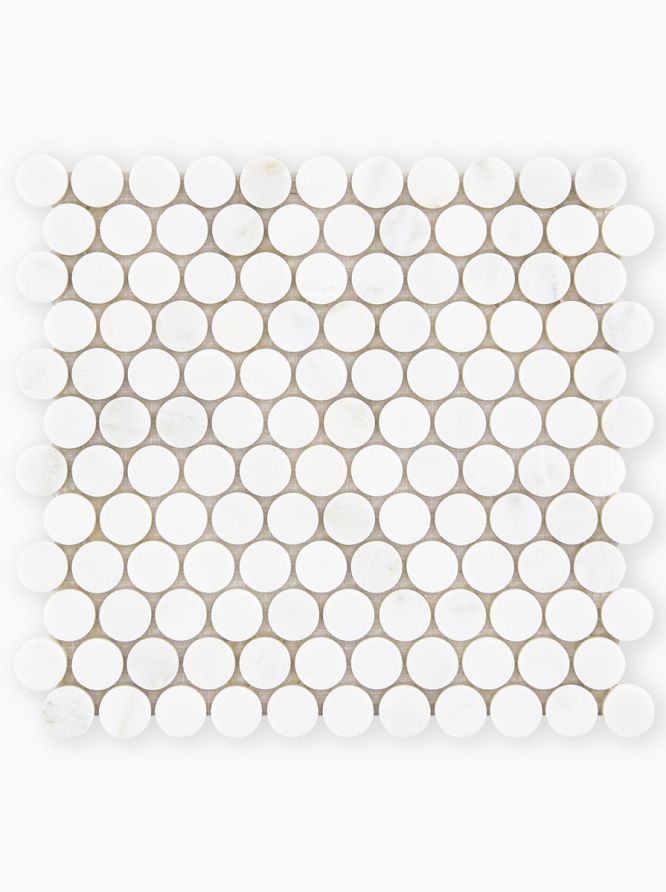
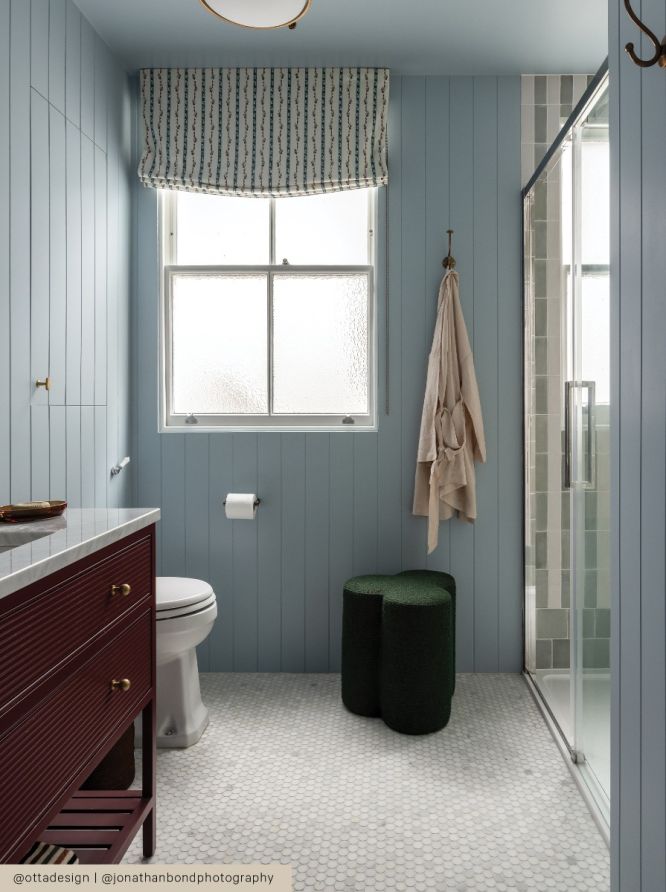
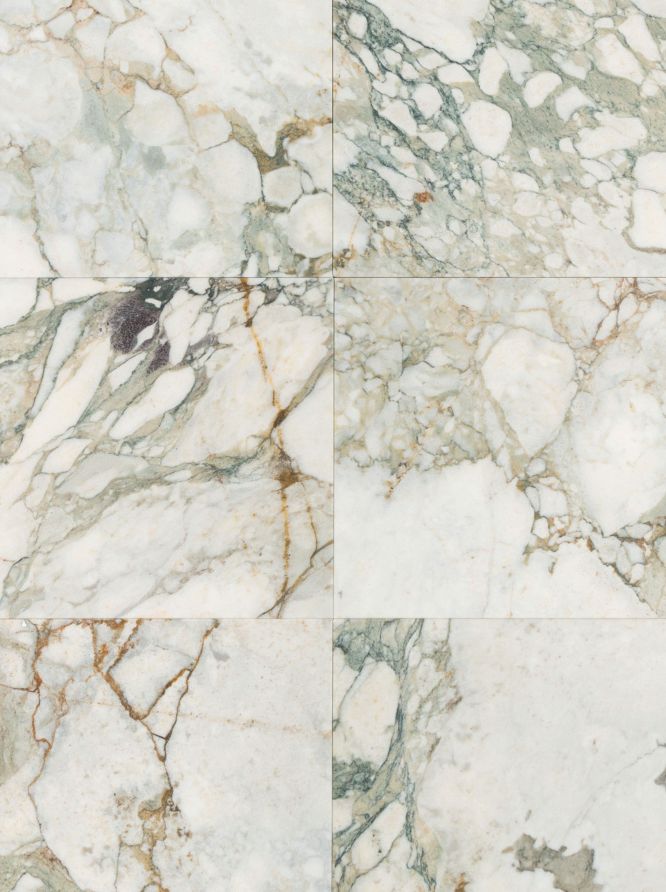
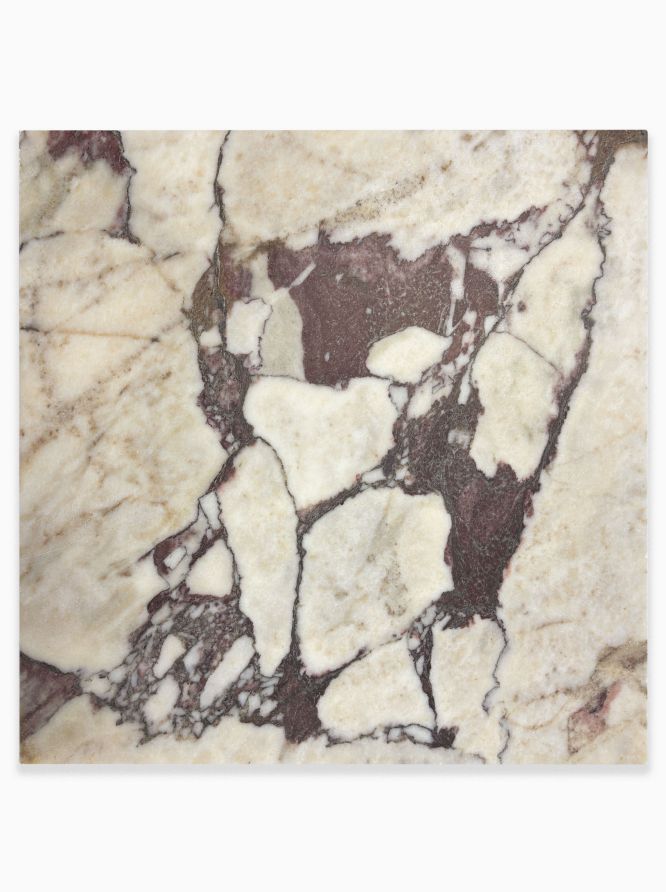
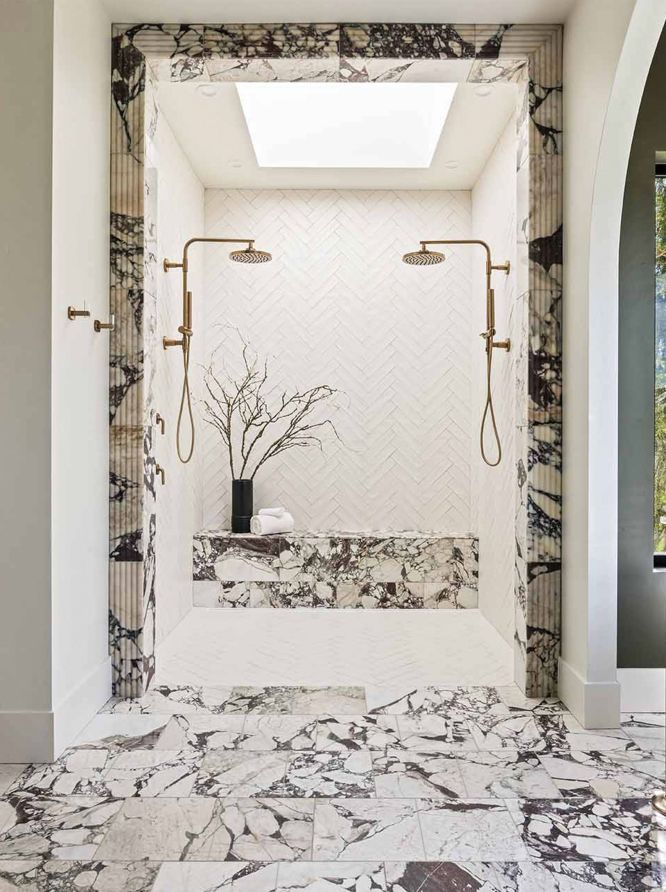
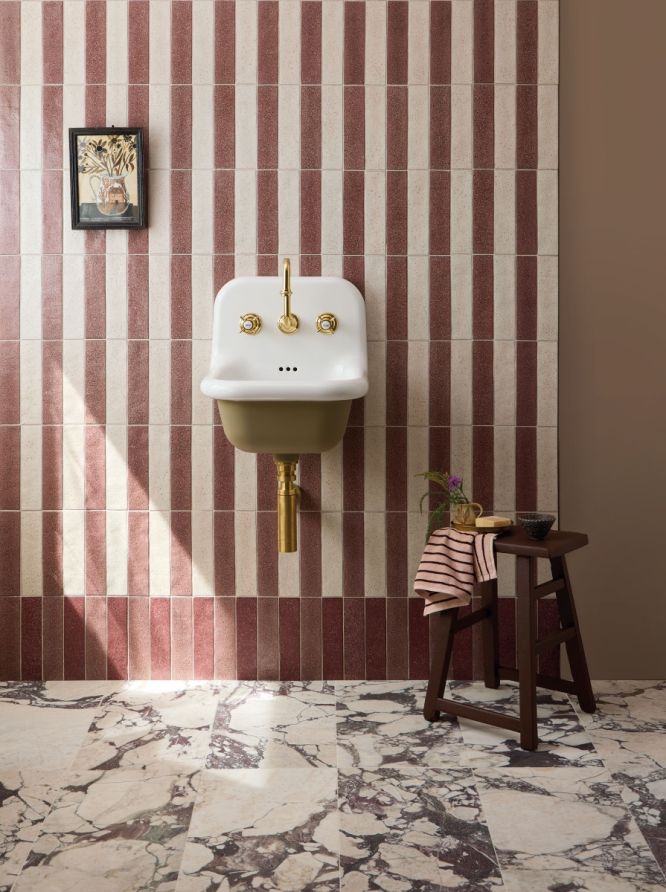
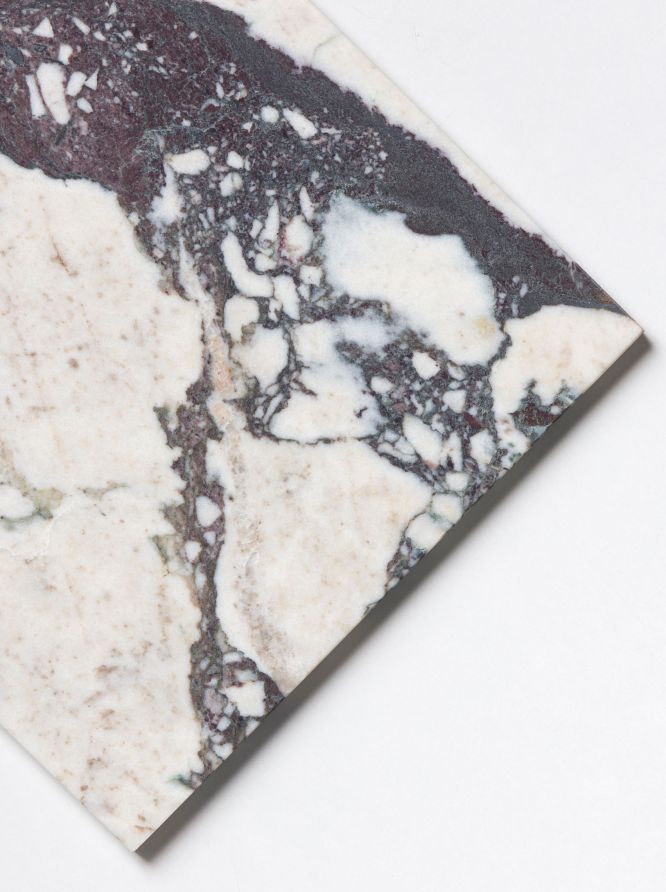
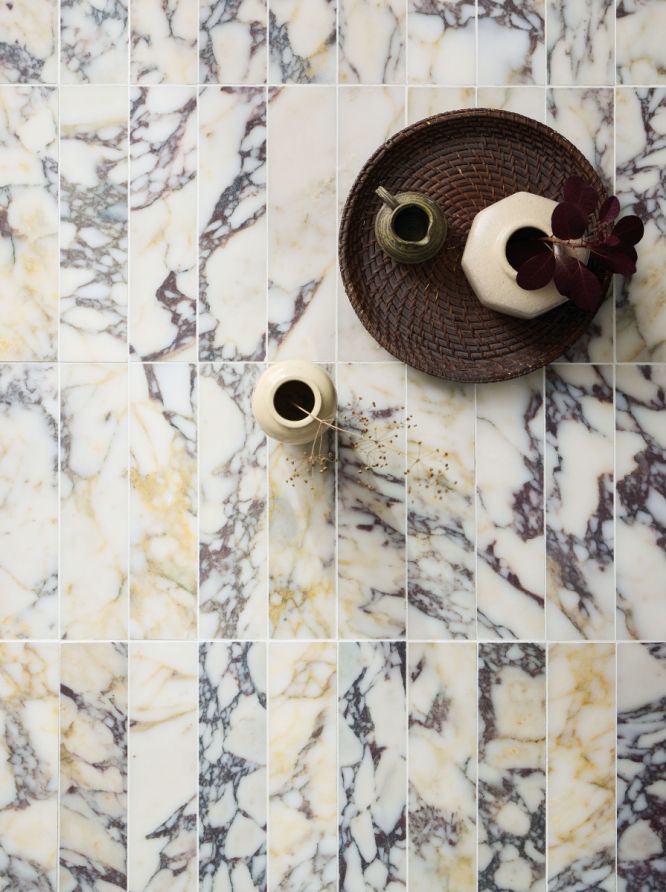
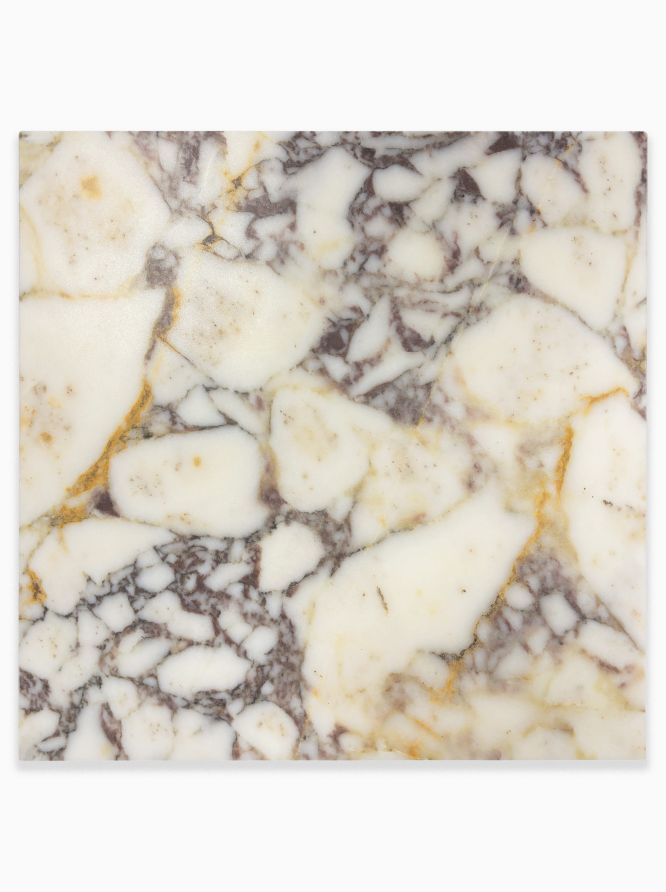
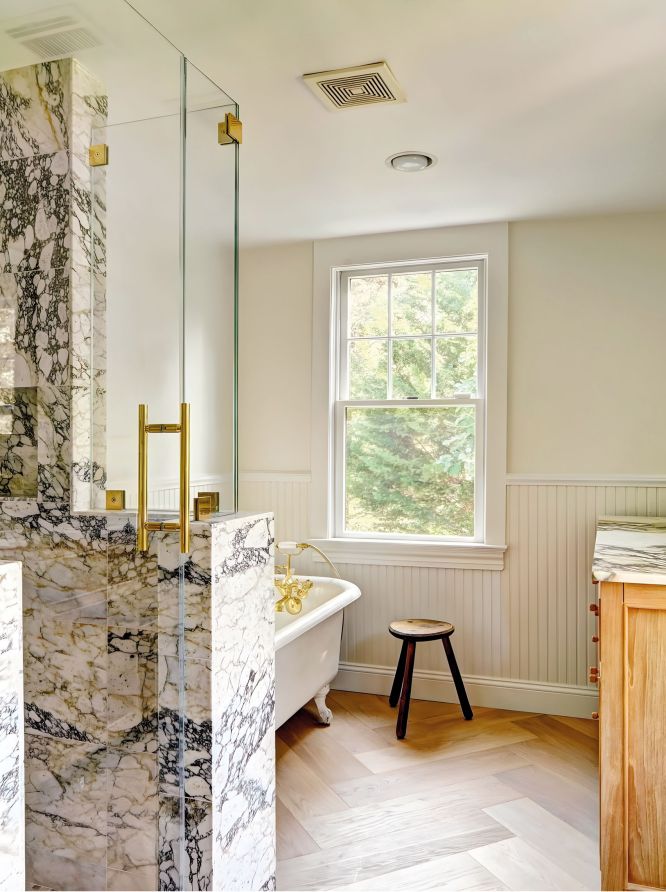
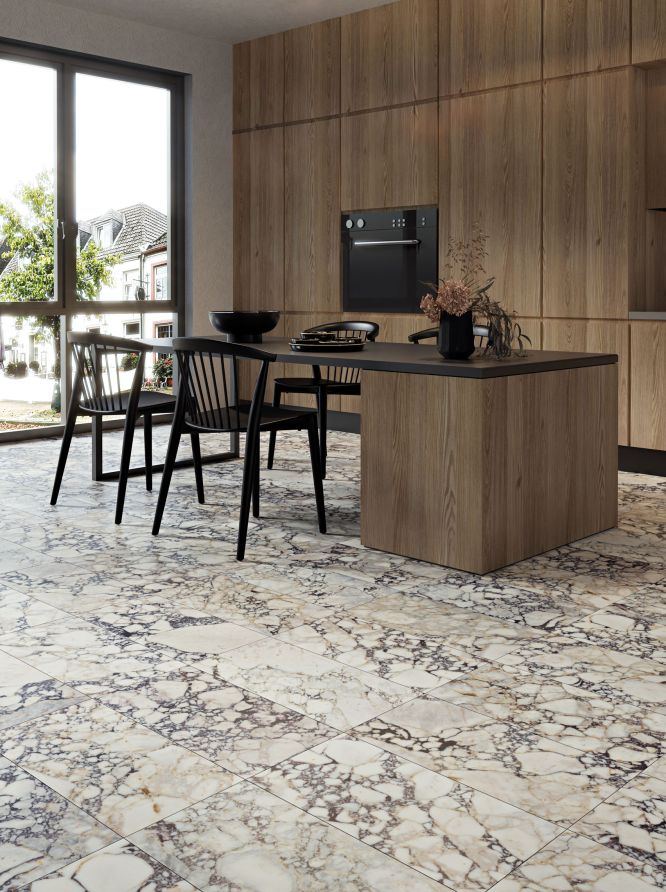
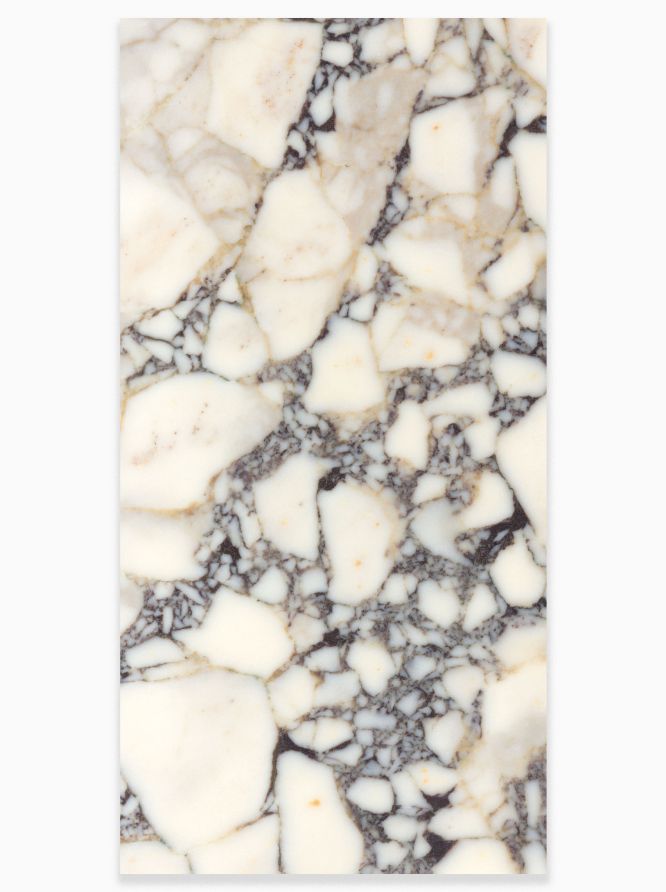
Our East Haven white marble tiles have soft grey veins with golden flashes, coming in a variety of shapes and formats including herringbone, while its sister marble floor tile range, Brookhaven, is an Italian Carrera marble with blue-grey veining; which could also be used for walls. Green marble flooring like our Summer Haven, has an uplifting feel across different sizes including kit-kat style mosaics and larger format tiles for walls too. Winter Haven has a bolder feel with burgundy and plum veining; all are stunning used on either walls or floors.
-
What is marble?
Marble is a metamorphic type of rock that’s formed when limestone is subjected to intense geological heat and pressure. In these conditions, the calcite in the limestone recrystallizes into a denser rock. Other minerals present in the limestone can also impact the colour and appearance of the marble. Mineral impurities such as clay, sand, or silt create the veins and swirls characteristic of marble.
-
Is marble ok for bathrooms and kitchens
Yes, marble is a versatile material, available in a wide variety of shapes and sizes - from mosaics through to larger format tiles. Marble is a popular choice for shower and bathroom walls where its naturally light reflective and moisture-resistant properties are highly valued. Just be careful to choose honed or matt finishes if planning to use them on floors to reduce the risk of slips. In kitchens, marble countertops and tiled backsplashes are visually stunning, though extra care must be taken to avoid staining from acidic foods. Marble’s timeless look also makes it an ideal choice for visually high-impact areas, creating a fantastic first impression in hallways and entrance areas.
-
Are marble tiles waterproof?
Whilst marble tile are naturally moisture resistant, they are not waterproof meaning they can absorb water and other liquids if not properly sealed. To help protect marble tiles from potential staining, it’s important to apply a high-quality sealant and use ph-neutral detergents to reinforce the sealer to form a front-line defence. When correctly sealed and maintained, marble tiles will be much more resistant to water, making them suitable for areas like bathrooms and kitchens.
-
Will there be colour or batch variation if I order?
We work hard to ensure that your order is selected from a single batch. However as marble is a natural material, there will be variation from the samples you look at and the photography seen on our website. Even when selected from the same batch, there will be variations in tone, so it’s worth asking your tiler to check for any individual tiles you or they feel would stand out if prominently positioned, so they can be used in less obvious areas. For example ‘dry laying’ the tiles out across the wall floor will give you both the opportunity to check any variation is evenly distributed, before adhering them.
-
Is marble more hard wearing than stone or limestone?
Marble is generally considered a harder material than limestone, which often has more neutral tones. However, as with all natural stones, the tiles must be correctly sealed and maintained. Natural stones can be more prone to scratching than porcelain and may require occasional re-sealing/re-polishing to maintain its appearance. Using the correct products to seal and maintain the floor will help protect the surface against stains and scratches, as they naturally age.
-
Are the fine lines actually cracks?
The nature of marble means they are prone to naturally occurring fissures. These are not defects and whilst they can be visible in the polished surface, they will have no bearing on the integrity of the stone. An experienced tiler will be able to tell the difference between naturally occurring faults and any actual defects due to damage in transit, so it’s worth checking they have previous experience with marble tiles. This is actually really important, as using the right tools to cut, install and seal your tiles will make the difference between a floor that is easily damaged, and a floor that will give you many years of service.
-
How do you install marble tiles?
Marble tiles require careful installation, including the correct preparation, adhesive, sealing and grouting, so we recommend using a tiler experienced in working with natural stone. For step-by-step advice, read our Journal guide to installing marble tiles here or download our Installation Guide below.