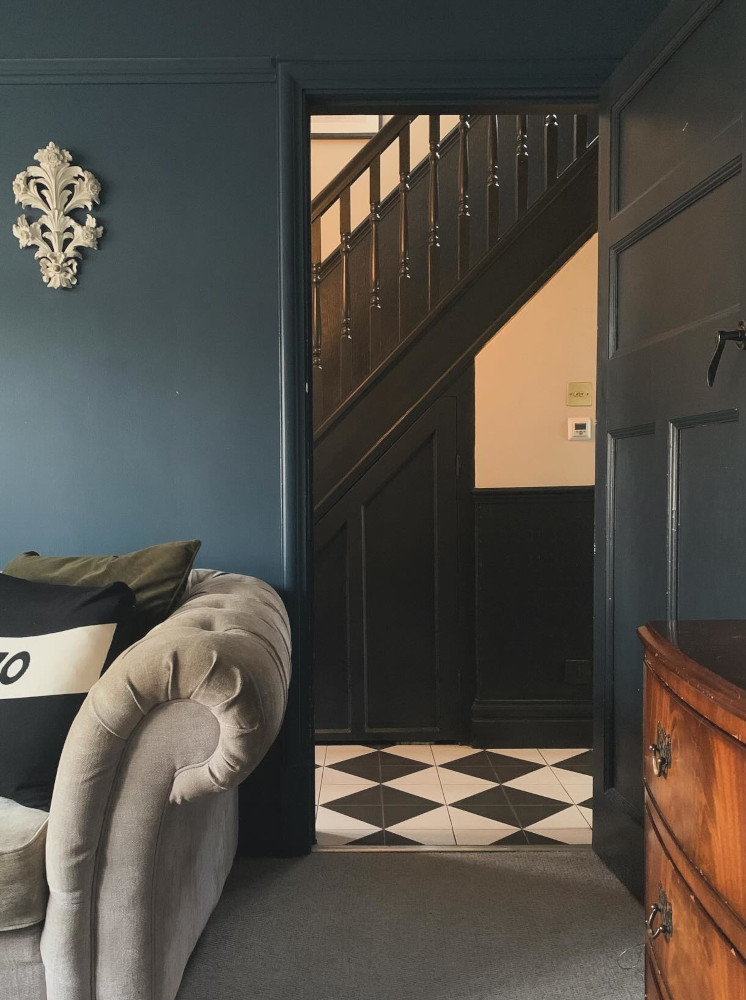

Hallway Tiles
Hallway tiles set the tone for the rest of the home, combining practical durability with plenty of opportunity for creative expression. From timeless natural stone and warm terracotta to hard-wearing porcelain and bold patterned designs, the right floor can transform this hardworking space. Classic chequerboards, contemporary stripes or something entirely unexpected. When it comes to hallway tiles, almost anything goes.

























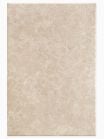
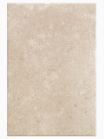




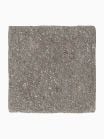


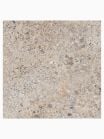






Choosing the best tiles for a hallway
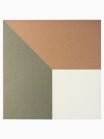
Hallway tiles need to balance good looks with the demands of everyday life. As one of the busiest areas of the home, a hallway floor must withstand regular foot traffic, dirt brought in from outside and the occasional muddy boot, while remaining straightforward to clean and maintain no matter what the style or age of property. Porcelain tiles offer excellent durability and low maintenance, while natural stone brings individual markings and a softer, more organic appearance albeit with sealing requirements. Terracotta introduces warmth and rustic and tactile character, while patterned tiles can make a striking first impression. The right choice will depend on the look you want, how the hallway is used and how much maintenance you are prepared to undertake. Designs like checkerboard and striped floors used to feel classic but now take on a more modern twist, in fact, nothing is off the table when it comes to looks to achieve.
-
Are natural stone tiles practical in a hallway?
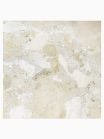
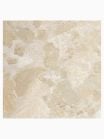
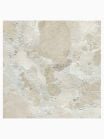
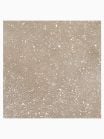
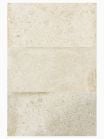
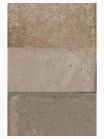
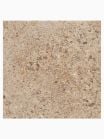
Natural stone tiles can be an excellent choice for a hallway, provided you understand their maintenance requirements and select a finish suited to the space. Limestone, for example, is valued for its subtle tonal variation, distinctive markings and naturally understated appearance. Unlike a printed pattern, every stone tile has its own character, creating a floor that feels individual to the property.
As limestone is porous, it requires sealing before use, following the recommendations for the particular stone and installation. Depending on the product, the sealant and the level of foot traffic, the surface may need resealing over time. Dirt and grit should be swept away regularly, as they can mark the surface, while spills and muddy footprints are best cleaned promptly. Use a cleaner recommended for natural stone rather than acidic products, which can damage limestone.
It is also worth understanding that natural stone can change in appearance with use. Some finishes develop a gentle patina, and small variations or signs of wear can become part of the floor's character. This is often a large part of its appeal, particularly in older more characterful homes and country or rustic properties.
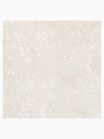
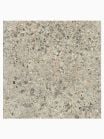
For households seeking a more forgiving, low-maintenance option, porcelain tiles with a limestone appearance may be worth considering as they are extremely realistic and there is a wide choice of natural tones and finishes at Claybrook. They offer a similar palette and visual effect, with less demanding day-to-day care. The best choice depends on whether you prefer the individuality of real stone or the convenience of porcelain.
-
What tiles suit a Victorian or Georgian hallway?
Hallway tiles can play an important role in preserving the character of a Victorian or Georgian property, which many of us with houses in the UK live in. These entrances often provide an opportunity to introduce pattern, contrast and traditional materials, creating a sense of arrival that feels appropriate to the architecture, and are a good way to both respect the home but introduce personal style.
Checkerboard flooring is a classic choice for both periods. Black and white is particularly striking, while softer or more nostalgic combinations of cream, green or warm honey-toned stones can create a sense of Mediterranean style. The scale of the pattern matters: larger squares can give a spacious entrance a confident, graphic quality, while smaller formats may feel more in keeping with a compact hallway and be more visual.
For Victorian properties, decorative geometric patterns and encaustic-look tiles can recall the intricate floors associated with traditional entrance halls. Porcelain reproductions offer a practical alternative to traditional materials, with a wide choice of patterns and colours.
Georgian interiors often lend themselves to more restrained designs. Checkerboard floors, limestone and quietly varied stone tones can complement symmetrical architecture, panelled doors and elegant proportions without competing with the original features.
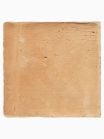
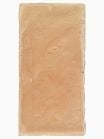
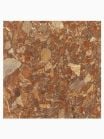
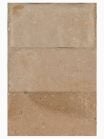
Terracotta is another possibility, particularly in older properties where a warmer, more rustic finish feels appropriate or for those who want a rustic and natural look. The best choice is not necessarily the most historically elaborate one. Consider the original architecture, the colour of the woodwork, the proportions of the entrance and the atmosphere you want to create. A thoughtfully chosen floor can respect the age of a property while feeling entirely at home with modern furnishings.
-
Can hallway tiles be used with underfloor heating?
Many porcelain and natural stone tiles are suitable for use with underfloor heating, making tiled hallway floors a practical option for homes where comfort is as important as appearance. Tiles conduct and retain heat effectively, allowing warmth to spread across the floor and helping to create a welcoming entrance, particularly during colder months.
Porcelain is widely used with both electric and water-based underfloor heating systems. Natural stone, including limestone, can also be suitable, although the specific tile, its thickness and the installation method should always be checked against the manufacturer's recommendations.
Successful installation depends on more than the tile alone. The subfloor, insulation, heating system, adhesive and grout must be compatible with the chosen installation. Movement joints and any requirements for an appropriate decoupling or flexible floor system should also be considered, particularly where the floor may be subject to changes in temperature. The heating should be commissioned and operated in accordance with the system manufacturer's instructions, with temperature changes managed gradually where required.
Before specifying tiles for a heated hallway, check the technical information for the individual product and consult your installer or heating specialist. This is particularly important with natural stone, where the suitability of the complete installation matters as much as the material itself. With the right preparation and installation, a tiled hallway can combine an attractive finish with the everyday comfort of underfloor heating.
-
What is the difference between hallway tiles and porch tiles?
Hallway tiles and porch tiles may look similar, but the right specification depends on whether the area is fully indoors or exposed to the weather. An internal hallway is generally protected from rain, frost and direct sunlight, although it still needs a floor that can cope with regular foot traffic, dirt and moisture brought in on shoes.
A porch that opens directly onto the outdoors faces additional demands. Rainwater, standing moisture and temperature changes can affect the performance of the flooring, while frost can damage unsuitable materials. The surface finish is especially important: a tile that works well in a dry hallway may become slippery when wet. For an exposed porch, check that the tile is specifically suitable for external use, offers an appropriate slip resistance and is rated for the expected weather conditions, including frost where relevant.
Installation is equally important. External areas require suitable preparation, drainage and compatible fixing materials to help manage moisture and temperature changes. A covered porch may have different requirements from a completely exposed entrance, so the precise location and exposure should be assessed before choosing a product.
If you want to create a continuous look from the porch into the hallway, check whether the same tile is suitable for both environments. Some ranges offer coordinated indoor and outdoor options, allowing the two spaces to complement one another without compromising performance.