Tile Glossary
Tiles come with their own distinctive language!
Claybrook's tile glossary explains the materials, finishes, installation terminology and technical ratings you'll encounter when choosing tiles. Definitions have been reviewed by Claybrook technical expert Richard Rees and include practical guidance based on our experience specifying and installing ceramic, porcelain and natural-stone tiles.
Flummoxed by some of our tile terms? Our technical expert, Richard Rees, takes you through the main terms on our website and the factors you need to consider for installation and maintenance to get the best results possible for your project.
Batch Variation
What is batch variation and how do I avoid problems with it?
As tiles are made in batches this means there can be slight colour variation in colour between each run. This means it's important to order all the tiles for a specific area at the same time and allow 10% extra for any tiles that might get damaged or broken during laying.
Crazing
What is crazing and does it mean tiles are damaged?
Crazing is a series of fine, hairline cracks in the tile's glaze. Sometimes it’s a deliberate effect to make a more decorative finish, such as in our Metro Deco crackle glazed tiles. Other times crazing is actually a feature that can occur gradually over time after installation due to movement and environmental changes.
EPD - Environmental Product Declaration
What is an EPD?
An Environmental Product Declaration (EPD) details the environmental impact of a tile across its lifecycle; most Claybrook tiles have an EPD (see product technical information). More information.
Full Bodied Tiles
What is a 'full-bodied' tile?
Full-bodied tiles, often porcelain, have the same colour and pattern through the entire thickness of the tile. Our Tolentino range is a great example – where the chips of colour run through the depth of the tile. Full-bodied tiles are exceptionally durable and ideal for high-traffic areas or commercial projects.
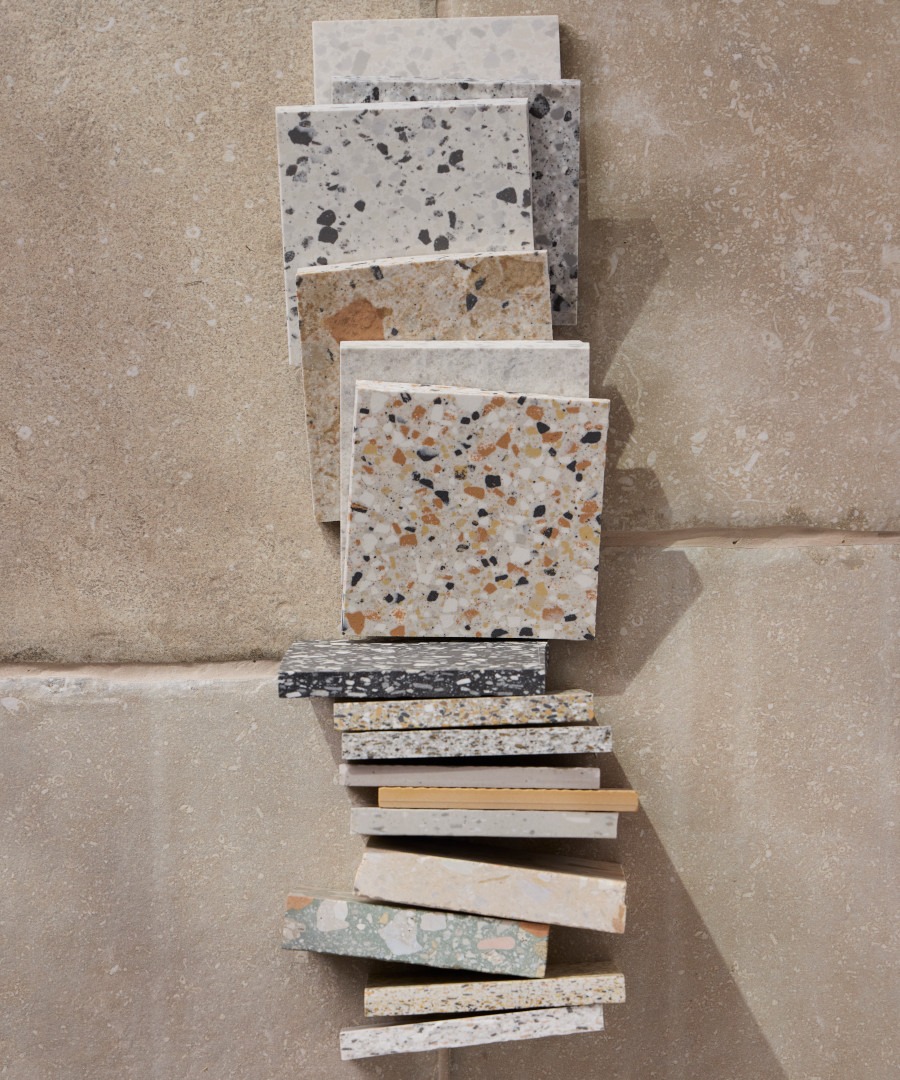 Terrazzo tiles are Full-Bodied Tiles - the pattern runs right through the tile
Glaze
Are glazed tiles always shiney, or are there different types of glaze?
Glaze is a coating that is applied to the surface of a tile during firing. Different finishes have contrasting effects such as gloss, satin, matte and effects such as crazing.
Gloss glazed tiles such as our Fellini or Potters Glaze are less porous, easy to clean, and ideal for walls in kitchens and bathrooms. See our glazed tile ranges here.
Grout Width
How wide should the line of grout be for my tiles?
Grout width is the space between tiles that is filled with grout. Wider joints help with flexibility and accommodate size variations in tiles. Tiles with tumbled or uneven edges such as Dijon Limestone or Handmade Terracotta typically need a wider grout width to accommodate their uneven edges, while a rectified tiles, such as Chunk, can have a smaller grout width for a more consistent look. Typical widths range from 1mm for rectified tiles to 5mm for a more rustic look. Check out our Grout Q&A for more info.
ISO 14001
What is the ISO 14001 rating?
ISO 14001 ensures companies reduce their environmental impact through responsible practices. The majority of Claybrook tiles conform to this standard and which is included in the product technical information. Learn more here.
Long Brick & Slim Brick
What is a long brick tile and how should you lay them?
Long brick tiles are rectangular tiles that are significantly longer than they are wide. Slim bricks are even slimmer! Our Mediterrano range is a good example of a slim brick. These tiles have playful possibilities. They can be laid in many different formats, with herringbone being a particularly popular pattern.
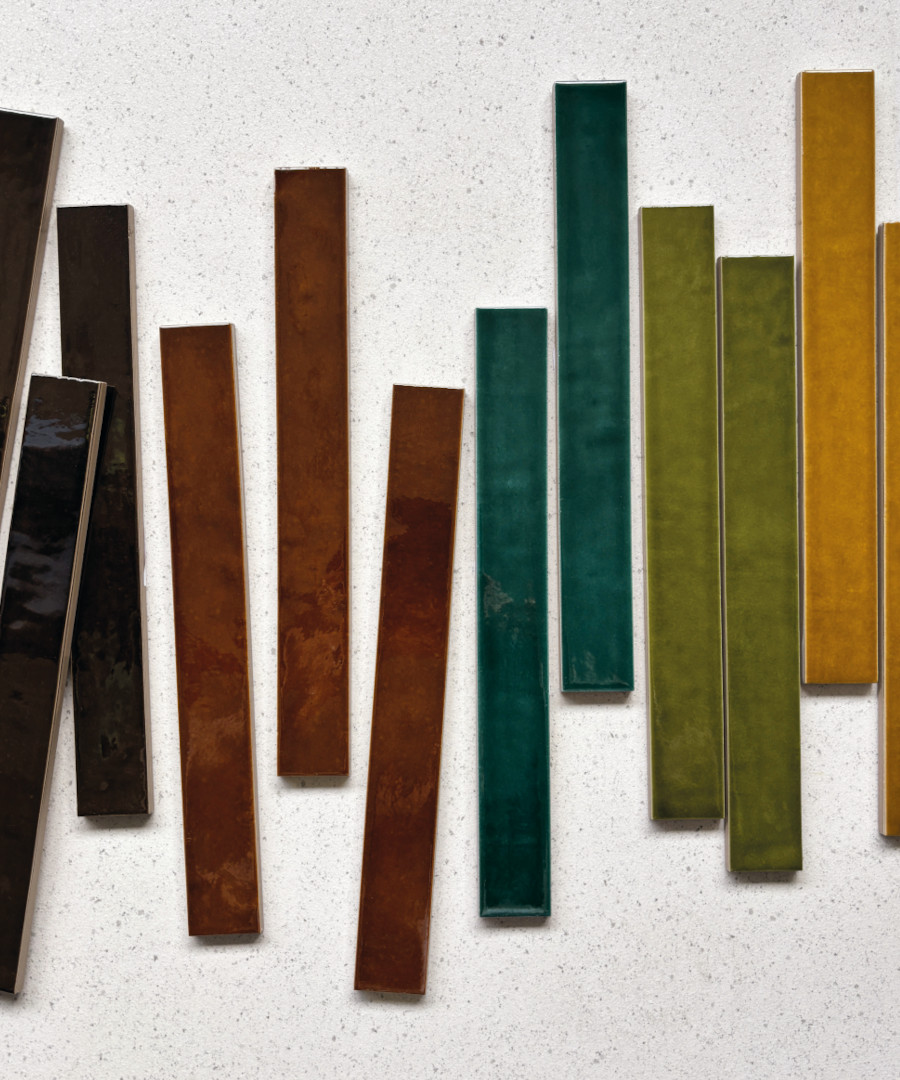 Mediterrano Slim Bricks.
Pillow Edge
What is it and should you grout tiles with pillow edges differently to flat tiles?
Pillow edge tiles, or 'cushion edge' tiles, such as our Kromatic range, have slightly rounded or beveled edges instead of defined square ones. The curved edge creates a softer, more traditional look and can help mask minor installation imperfections, it also makes grout lines appear more pronounced.
Porosity
How does porosity affect my tiles and what can I do about it?
Porosity refers to the amount of water a tile can absorb; it affects how durable a tile is, how stain resistant, and which areas it’s suitable for. Natural stone, such as our Haven Marble ranges, can be very porous and must be sealed before and after installation to protect it from water damage or staining. Always check the Technical Information and our Installation Guides for more information on specific products.
Rectified
What does rectified mean?
Rectified tiles, such as our Westchester or Livorno, are mechanically cut or ground after firing to ensure extremely precise, uniform edges.
This means the tiles have very exact dimensions which allows for narrow grout lines (typically 1–2mm) which helps to give a really seamless look to your floor or wall. Rectified tiles can give a modern, seamless aesthetic. They're often used in large-formats, which is why many of our floor tiles have rectified edges.
Shade Variation
What is the V rating and how can I make sure my tiles are all from the same batch?
Shade variation (V rating) describes colour and tonal differences between individual tiles in the same batch. Ranges such as Bungalow 22 or Fellini have a significant amount of variation by design.
Manufacturers use the V-scale to show different levels of variation:
V1 – Uniform appearance e.g. Kromatic
V2 – Slight variation
V3 – Moderate variation
V4 – Substantial variation - e.g. Bungalow 22
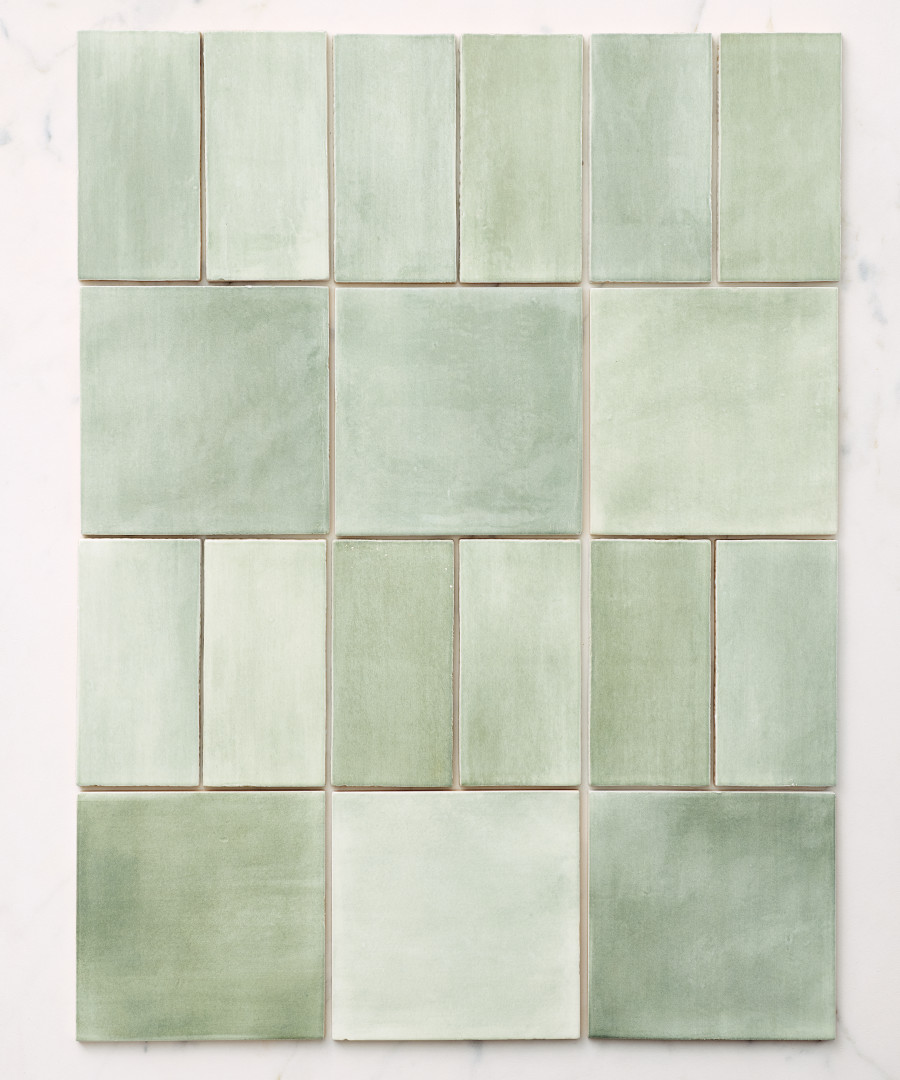 Bungalow 22 - a range with substantial shade variation
Slip Rating
What slip rating should I have for my bathroom or kitchen tiles?
The slip rating indicates how slip-resistant a tile is—crucial for safety in wet or high-traffic areas. At Claybrook Studio we show the R-rating and use it when we’re considering if a tile is appropriate to use in a bathroom, kitchen or outdoor environment.
The R-rating runs between R9 to R13 - the higher the R-rating the more slip-resistant the tiles are.
Check our Suitability and Technical Information sections for each tile to see the slip rating or ask our showroom teams for advice.
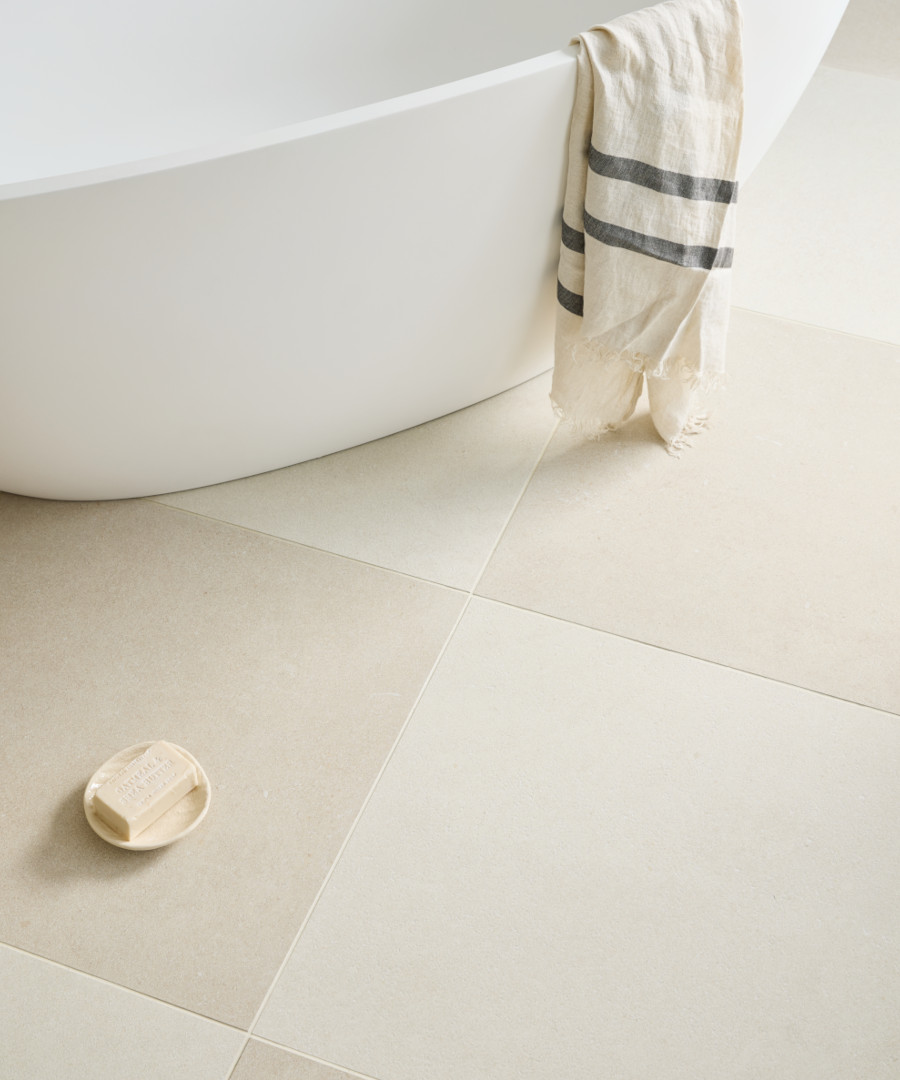 Westchester has an R10 slip rating, suitable for bathroom floors
Staining
How do I avoid tiles getting stained?
Stains happen when substances are absorbed into the tile or grout surface, causing discoloration; to avoid this some tiles need coats of sealant. Not all tiles require sealing, it depends on the porosity of the tile surface. It's really important to read the Technical Information and Suitability sections for the tile you’re choosing so you know when and how to seal the tiles. It's also essential to look after the tiles well after installation by using appropriate cleaners and quickly removing any spillages.
In the main porcelain tiles will not need sealing as they don't tend to stain.
With the correct use and treatment, tiles such as Terracotta or Marble, which are more porous, will last just as well as those that don’t require sealing.
Substrate
How do I prepare the substrate before tiling?
The substrate is the surface on which tiles are installed. Preparing your substrate is extremely important; the surface must be clean, level, dry, and stable for adhesives to work properly. If the substrate isn’t well-prepared you can end up with movement and a failed installation. Common substrates include concrete, plywood or cement backer board, and drywall or plaster (for walls). See our wall and floor Tile Installation Guides for more information on preparing the substrate for tiling.
Tile Sizing
Why aren't my tiles exactly the size it says on the website?
The artisan nature of some of our tile ranges means that sizes can vary slightly. We show the average ('Named') sizes on each product on our website, but you might find there is a slight variation when you receive them. For this reason it's vital that you read the installation guide that goes with each range and talk it through with your tiler before they get started. We also strongly recommend ordering all the tiles you need for one area in one go - that way we can do our best to make sure you get tiles that have been manufactured in the same batch or that have been calibre matched, so that you get as much consistency as possible.
Within the tile industry there are different ways of refering to the sizes of tiles:
Named size - a generic term, like 20x20 or 120x60 and is just simpler to use than 199.7 x 199.7mm mm or 1197mm x 597mm.
Working size - is the actual size of the tile and this will tend to be printed on the packaging.
Calibre size – because different batches can be different sizes (due to variable moisture content and kiln temperature) - suppliers will group certain calibre’s together in batches before being dispatched.
The tile industry standard for the maximum difference in working size within a batch is +/-2mm or 0.5%, but there is no industry standard for the difference between batches. In the case of Semaphore for example, the difference between different calibre batches could be as much as 2mm, but within a batch it will be less than 1mm.
There is no tile industry standard on the difference between named size and working size, it’s just what everyone does (it’s a bit like in the fashion industry where a size 10 or medium size can vary between manufacturers/retailers).
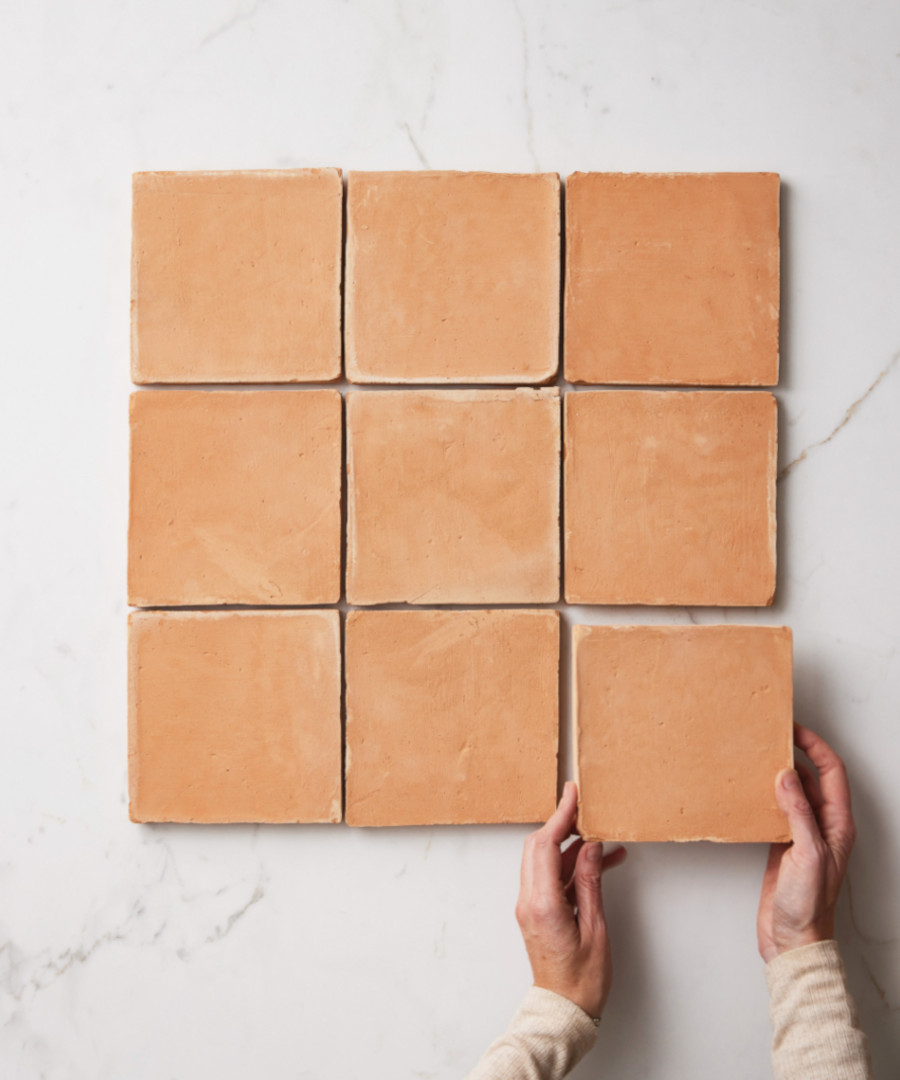 Villa Terracotta might require wider grout joints to accommodate size variation
Tread
What's the difference between Tread and Slip Rating?
Tread tiles are specifically designed with a textured or grooved surface to increase traction, particularly in areas where water or other substances might make the surface slippery, such as shower floors.
Tumbled Edges
How do I lay tiles with tumbled edges?
Tumbled edges are a finish where tiles are mechanically distressed to create a weathered, antique appearance. This process softens the edges and corners, producing a slightly uneven and aged look.
The effect is often used in natural stone, such as our Dijon Limestone. It’s also used to give a more rustic look to some porcelain, such as the tumbled tiles in our Framura range. Tumbled edges enhance rustic, traditional, or Mediterranean-style interiors.
Due to their irregularity, tiles with tumbled edges typically require wider grout joints to accommodate edge variation.
Zellige
What are Zellige tiles?
Originally Zellige tiles originated from Morocco and were handmade terracotta with a high gloss glaze and uneven finish. The zellige style is now often used to describe glazed tiles that have rich colours, slight imperfections, and highly reflective glazes.
Our Fellini and Tan-Tan ranges offer a fabulous zellige-style with a little more consistency than the very traditionally made versions, meaning they keep the beautiful effect of the uneven surface but are easier to lay than their original cousins.
Zellige style tiles are ideal for feature walls, splashbacks, and decorative surfaces.
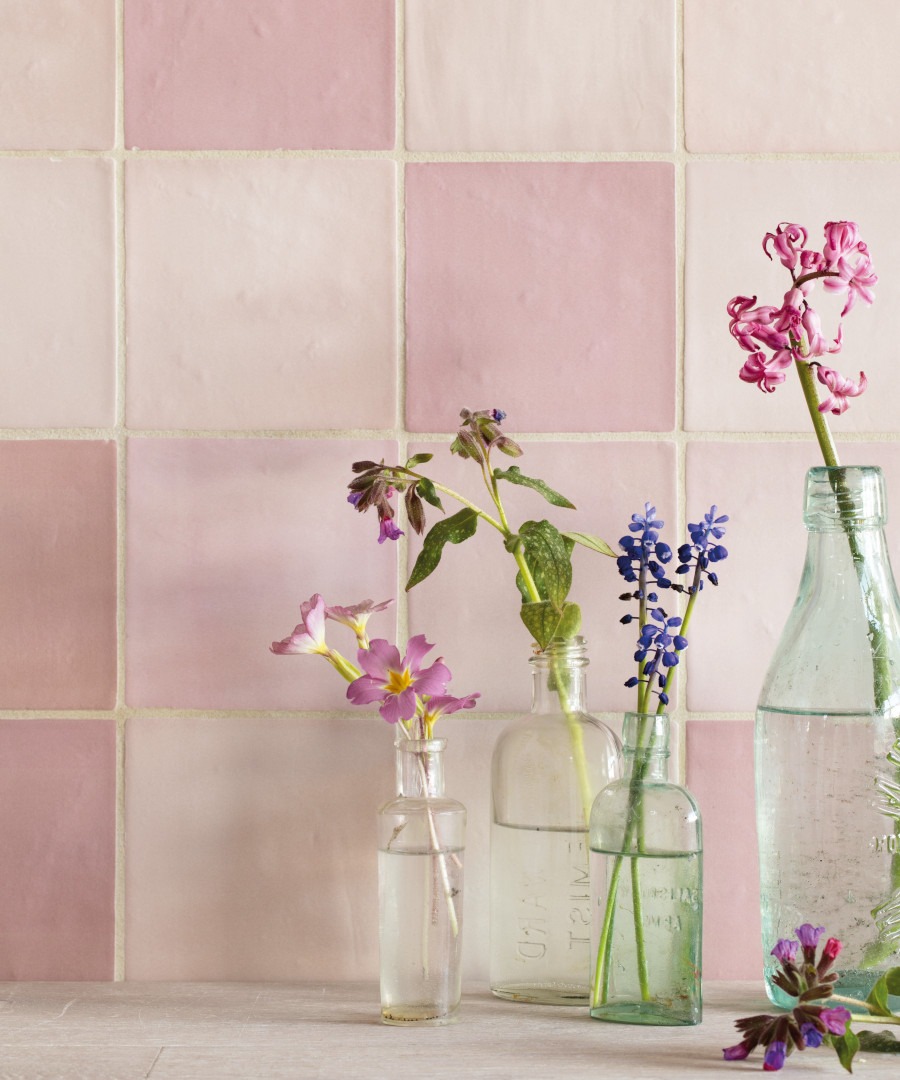 Moulay tiles have an uneven Zellige style finish
For more guidance on the best style to lay your tiles, or the best way to plan, cut or install your chosen tiles, contact our helpful Sales team or experienced Technical team at [email protected] or [email protected]
-
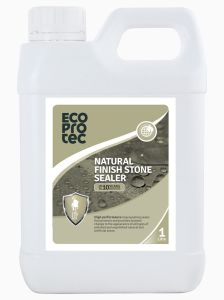 LTP Ecoprotec Natural Finish Stone Sealer£50.00 eachTotal Price £50.00 total
-
-
-