
Kitchen Splashback Tiles
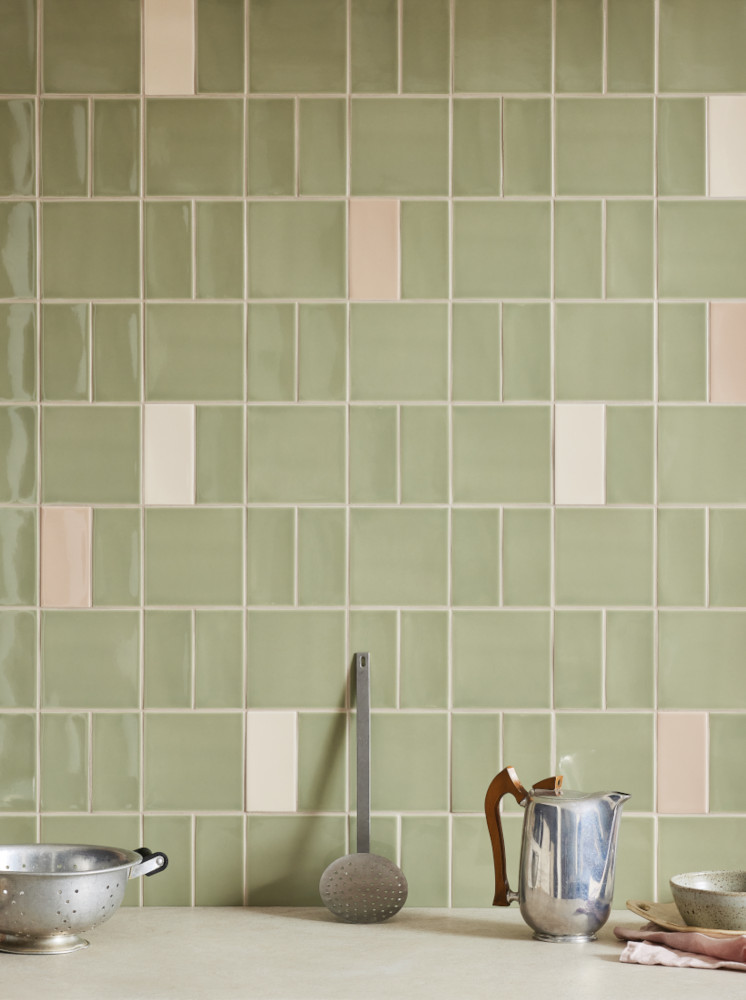
A kitchen splashback may be practical by nature, but it is also an opportunity to bring colour, texture and personality into the room. From richly glazed tiles and timeless marble to bold patterns and contemporary porcelain, the right choice can provide a subtle backdrop or become a focal point in its own right. Whether you tile a small area behind the hob or take the design across an entire wall, a splashback can completely change the feel of a kitchen.





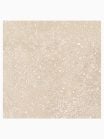
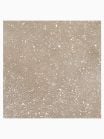


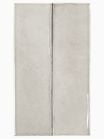
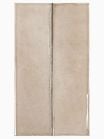




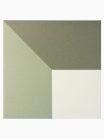
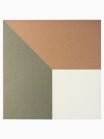
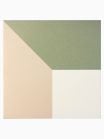

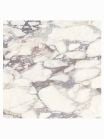






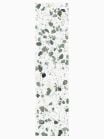
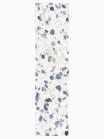

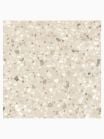
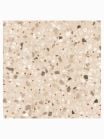
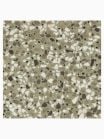

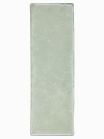
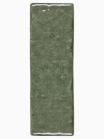


Choosing tiles for a kitchen splashback
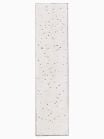
Choosing a tile for a splashback is about more than finding a colour or pattern you love. Consider how much heat, water, grease and everyday wear the surface will encounter, as well as how easy it will be to clean and maintain. The tile should also sit comfortably with the style and age of the property: a hand-finished glazed tile may bring character to a period kitchen, while porcelain, marble effect or a more graphic pattern may suit a more edgy or modern scheme. The size of the splashback, the amount of grout and whether the tiles need sealing are also worth considering before you make your choice.
-
What are the best tiles for a splashback?
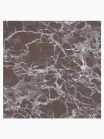
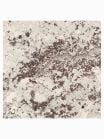
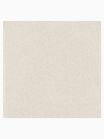
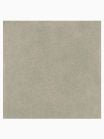
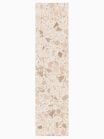
There is no single best tile for a splashback. The right choice depends on where it is being used, how much cooking or washing takes place nearby and importantly, the look you want to achieve. Porcelain is particularly well suited to hardworking areas because it is dense, hardwearing and generally straightforward to clean. Marble effect and stone-effect porcelain can also bring the appearance of natural materials without the same level of routine maintenance.
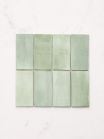
Glazed wall tiles are another excellent choice for a splashback, particularly in kitchens and bathrooms where their wipe-clean surface is useful as well as having a nicely glazed look. They also offer considerably more scope for colour, shape and surface character, from softly undulating handmade-looking tiles to crisp metro or rectangle formats and decorative designs. A glazed tile can be especially effective where the splashback is intended to become a design feature rather than simply a practical surface.
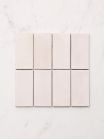
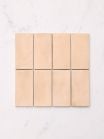
Kit-kat mosaics can bring a different character, one with a simple Japanese-style elegance and aesthetic. Their narrow format creates rhythm and texture, making them particularly effective behind a hob, basin or vanity. However, the greater number of grout joints means there is more grout to clean and maintain.
For a busy kitchen, porcelain may therefore be the most practical choice; for colour, character and decorative appeal, glazed wall tiles offer greater freedom. Mosaics sit somewhere in between, bringing plenty of visual interest at the expense of more grout maintenance.
Are all tiles suitable for a splashback?
Not every tile is automatically suitable for every splashback. The intended application, the tile's technical specification and the conditions of the room should always be checked before installation. A tile designed for a wall, for example, may be perfectly appropriate behind a basin but not necessarily the right choice for a heavily used kitchen floor or another area subject to substantially greater wear. Our technical guides aim to explain everything required tile by tile.
Sealing is another consideration. Some natural stone and more porous tiles require sealing to help protect the surface from staining and make every-day cleaning easier. Other tiles, including many glazed and porcelain options, have a naturally low-porosity surface and may not require sealing. The grout can still be an important part of the maintenance equation, particularly with mosaics, small-format tiles or heavily patterned layouts where there are numerous joints to clean.
The character of a tile is worth considering too. Handmade or deliberately uneven tiles can have subtle variations in colour, texture and surface, which are part of their appeal rather than a defect. They may need slightly more care than a perfectly uniform machine-made surface, but can give a splashback considerably more depth and personality.
Before choosing a splashback tile, check its technical information and recommended applications, consider whether it requires sealing, and think about how much grout your chosen format will introduce. The most suitable tile is one whose performance matches the demands of the space as well as its aesthetic.
What tiles suit an older home versus a more modern one?
The best splashback tile is often the one that feels as though it belongs to the architecture of the room. In an older house, tiles with variation, texture and a sense of craftsmanship can sit particularly comfortably alongside original features such as timber joinery, fireplaces and stone floors. Glazed tiles with an uneven surface, decorative tiles and zellige-inspired designs can introduce the gentle irregularity that makes a period interior feel considered rather than newly installed.
Checkerboard is another enduring choice, particularly when used with marble-effect, stone-effect or contrasting porcelain tiles or with glazed tiles on the wall. Stripes can work beautifully too, whether created with rectangular tiles, contrasting colours or a change in orientation. Both patterns have enough architectural familiarity to work in traditional houses while still feeling fresh.
Modern interiors give you greater freedom to use scale, colour and geometry. Large-format porcelain can create a calmer, more continuous splashback or floor with fewer grout lines, while marble-effect and stone-effect porcelain offer a contemporary take on natural materials. Kit-kat mosaics, strong colour blocking and graphic patterned porcelain can also make a modern kitchen or bathroom feel more distinctive.
That said, there are no hard rules. A period property can look fantastic with a bold contemporary tile, just as a modern kitchen can accommodate a beautifully irregular glazed tile. The key is to consider the relationship between the tile, the architecture, cabinetry, worktop and other materials rather than choosing the tile in isolation.
Should a splashback tile be different in a bathroom or kitchen?
A splashback can perform a slightly different job depending on whether it is in a kitchen or bathroom. In a bathroom, the main considerations are usually water, humidity and ease of cleaning. Behind a basin, a glazed wall tile can provide an attractive and easily maintained surface, while areas exposed to considerably more water may have additional installation and waterproofing requirements. The tile itself is only one part of the system: the substrate, adhesive, grout and detailing all need to be appropriate for the location.
Kitchen splashbacks have different demands. Around a hob, the surface may encounter cooking splashes, grease, heat and frequent cleaning, so a tile with a suitable technical specification and a surface that is easy to wipe clean is particularly useful. Porcelain is an especially robust option, while glazed tiles can work beautifully where colour, pattern and character are important. The number of grout joints is also worth considering, as more joints mean more areas to keep clean.
A tile that works beautifully as a bathroom splashback may therefore not automatically be the best choice behind a kitchen hob. Always check the recommended application and installation guidance, particularly where heat, water or frequent cleaning are involved. With the right tile and installation system, however, a splashback can be both highly practical and an opportunity to introduce colour, pattern and personality.