Shower and Wetroom Floor Tiles
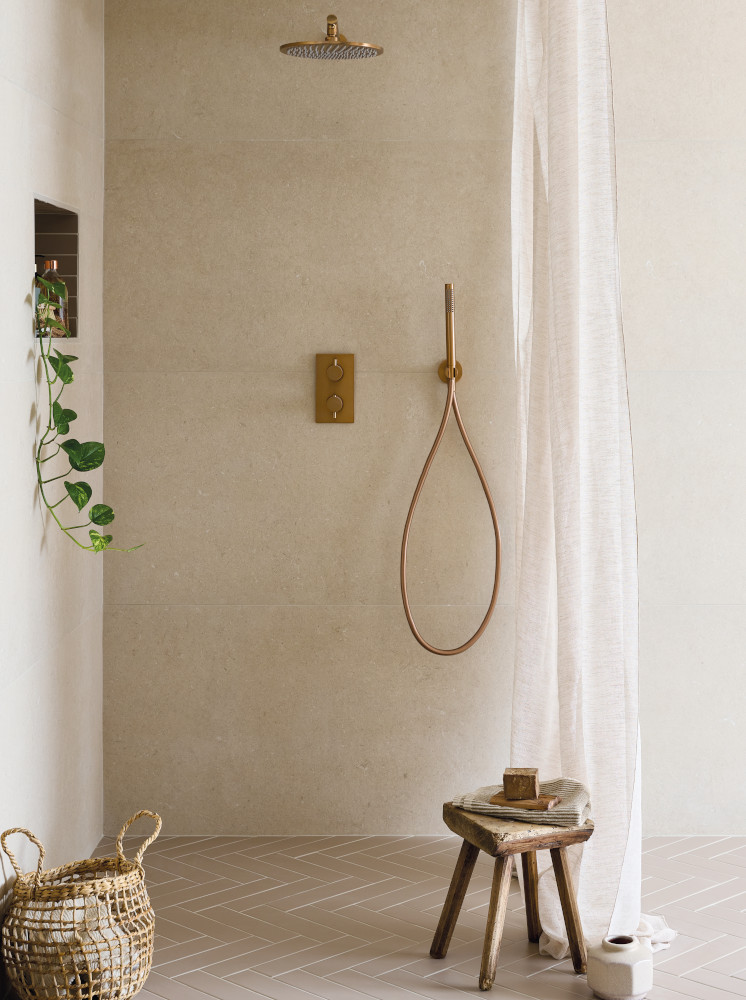
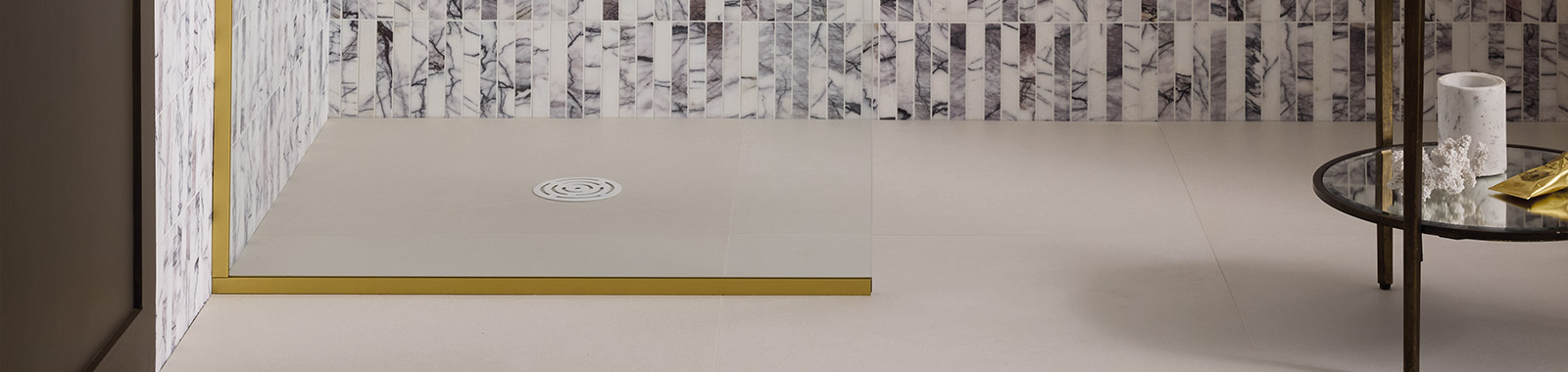
Create a stylish, seamless bathroom with our collection of wet room floor tiles. Combining practicality with beautiful design, our porcelain tiles offer excellent water resistance and a wide choice of finishes, from natural stone and limestone effects to elegant marble inspired designs. Whether you prefer a soft, understated look or something more striking, discover wet room floor tiles that bring together style, durability and everyday practicality.





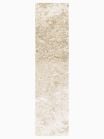
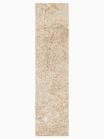
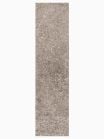


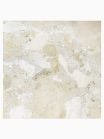





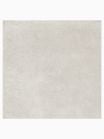
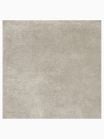


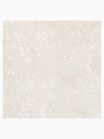
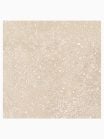
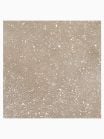


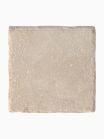
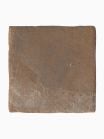
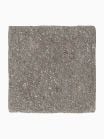








Choosing Wet Room Floor Tiles
A wet room brings a clean, open feel to a bathroom, replacing the conventional shower tray with a level, waterproofed floor that allows water to drain away discreetly. Choosing the right floor tiles is essential, both for safety and for the overall look of the space. Porcelain is a particularly popular choice, offering excellent water resistance alongside an extensive range of designs inspired by natural marble, limestone and stone. From understated, softly textured surfaces to dramatic veining and characterful mineral patterns, the right tiles can give a wet room the appearance of a natural material without all the associated maintenance. Here, we answer some common questions about wet room floor tiles, including which materials to consider, how to choose a suitable surface and what to look for when planning your design.
-
What are the best tiles for a wet room floor?
A wet room is a bathroom in which the shower area is open or walk-in, without a conventional shower tray or enclosed cubicle. The floor is designed to direct water towards a drain, with a suitable waterproofing system beneath the tiles to protect the building fabric. Because the floor is exposed to regular water, choosing appropriate tiles is particularly important.
Porcelain tiles are one of the best options for a wet room floor. Their low water absorption makes them well suited to damp environments, while their versatility means they can complement almost any interior scheme. Claybrook Studio's porcelain collections include designs inspired by natural stone, limestone and marble, allowing you to achieve the character of these materials with the performance of porcelain.
The surface finish matters just as much as the appearance. Look for floor tiles with suitable slip resistance for barefoot use in wet conditions, and consider smaller formats where additional grout joints can help provide grip. Always check that the chosen tile is recommended for the intended wet room application.
-
Are porcelain tiles suitable for wet room floors?
Yes. Porcelain is an excellent material for wet room floors because it is dense, hard-wearing and highly resistant to water absorption. These qualities make it a practical choice for a shower area that is regularly exposed to moisture, soap and everyday bathroom use. Porcelain is also easy to maintain, generally requiring routine cleaning rather than the specialist sealing that some natural stones need. There are also many styles of both patterned porcelain and plainer shaded ones from which to choose.
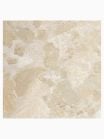
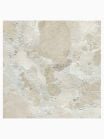
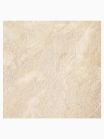
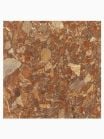
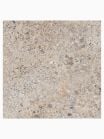
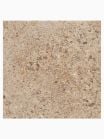
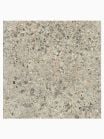
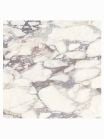
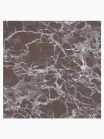
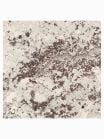
Another advantage is the breadth of designs available. Marble-effect porcelain offers the veining and tonal variation associated with natural marble, while limestone-effect tiles bring a quieter, more softly patterned look. Stone-effect porcelain can reproduce the subtle shifts in colour, mineral markings and textural character of quarried stone. There are also stunning terrazzo and ceppo style porcelains inspired by Italian floors. These designs make it possible to create a wet room that feels natural and considered, whether the scheme is pared back and somewhat minimal, on-trend with Mediterranean rustic vibes or more traditional in character.
Not every porcelain tile is suitable for a wet room floor, however. Polished finishes can become slippery when wet, so check the slip-resistance information and intended application before choosing. Correct installation, appropriate falls towards the drain and a properly specified waterproofing system are equally important.
Can I use marble-effect, limestone-effect or stone-effect tiles in a wet room?
Absolutely. Porcelain tiles that replicate natural materials are an excellent way to introduce their distinctive character into a wet room while benefiting from porcelain's low porosity and straightforward maintenance.
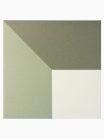
For a refined, decorative scheme, marble-effect porcelain offers expressive veining and the visual depth of natural marble. It works particularly well in smart spaces with a hint of the luxury hotel look. Limestone-effect porcelain provides a softer alternative, with gentle tonal variation and a more understated appearance that suits warm and nostalgic bathrooms. Stone-effect porcelain offers a broader range of looks, from quietly textured, pale surfaces to more pronounced patterns that bring depth and individuality to the floor creating refined rustic rooms, or those with a more classic style. You can also use coloured porcelain like Claybrook’s Nebulae or Chunk to create distinctive rooms with more design personality.
These designs can also help create continuity between the shower area and the rest of the bathroom, making a compact room feel more cohesive. Large-format tiles can reduce the number of grout joints and create a relatively uninterrupted surface, although the floor layout and drainage falls may influence which sizes are appropriate. Smaller tiles can be useful around certain drains and sloping floors.
Always check that the selected finish is suitable for wet barefoot areas. A realistic stone appearance alone does not guarantee adequate slip resistance.How do I choose slip-resistant tiles for a wet room floor?
Slip resistance should be one of the first considerations when choosing wet room floor tiles. A surface that feels secure when dry may behave differently when covered with water, shampoo or soap, particularly in an area used barefoot. The finish, tile format and installation all influence how safe and comfortable the floor will be.
When comparing porcelain tiles, check the slip-resistance rating, shown and confirmation that the product is suitable for wet barefoot use. Ratings and test methods can differ, so it is important to understand what the stated performance means for your particular application rather than relying on a single number or description. Polished porcelain is generally best approached with caution for shower floors.
Texture can contribute to grip, while smaller tiles provide more grout joints across the floor. These joints may help with traction, although they do not replace the need for a suitably tested tile. Your installer should also ensure that the floor has the correct gradient towards the drain, with the waterproofing system and drainage details properly specified.
The aim is to balance safety with the look you want. With the right finish, porcelain can deliver a wet room floor that combines attractive natural-material styling with the practical performance required for everyday use.